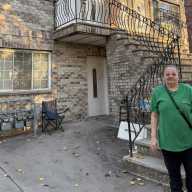
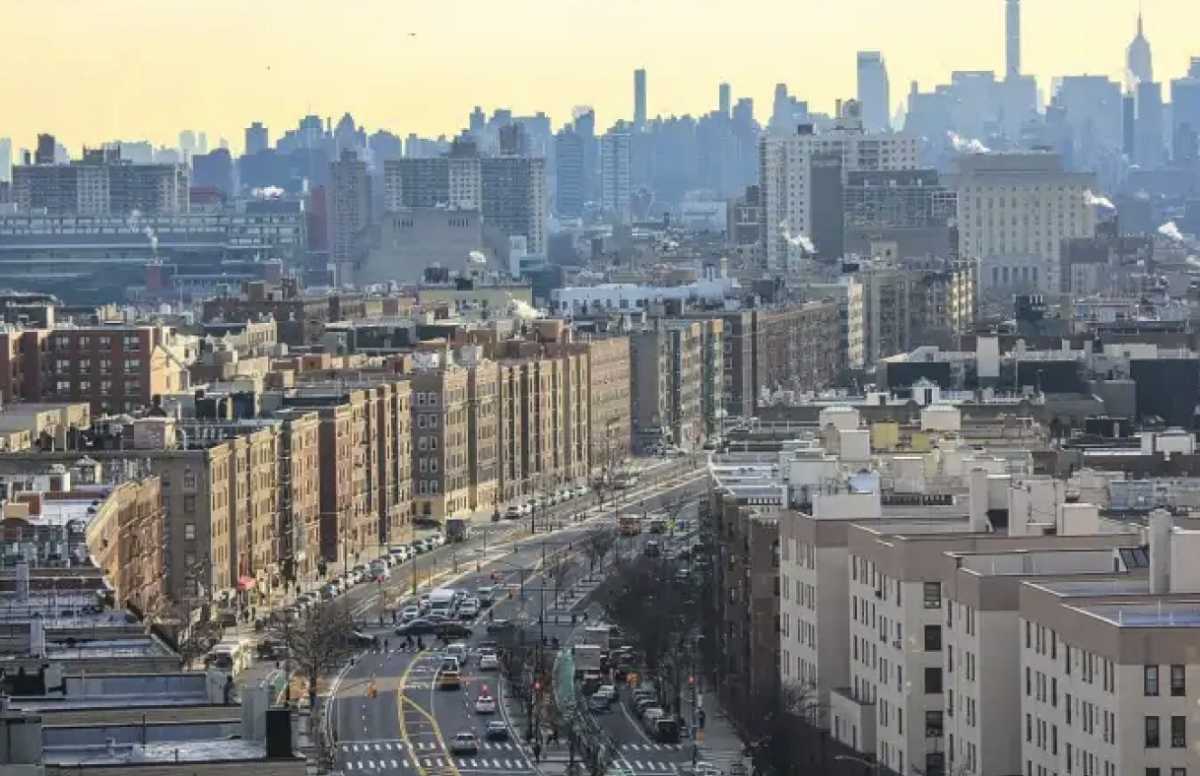
The Bronx has come a long way since the 1970s “The Bronx is burning” era immortalized the borough’s reputation – yet that image of widespread job loss and ravaged neighborhoods is still what comes to mind when people mention our borough.
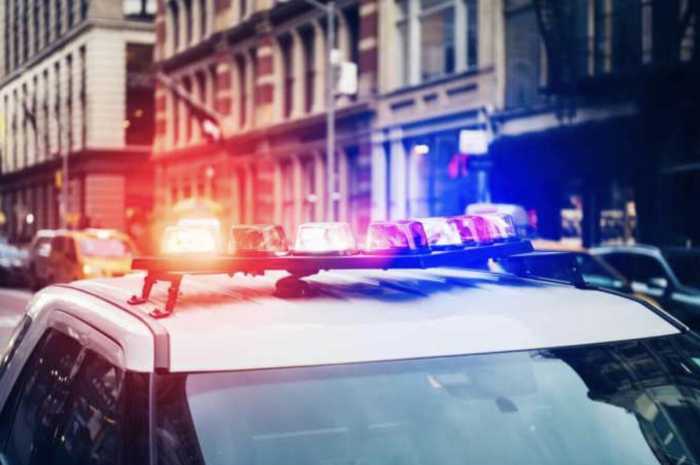
That persistent image of rampant crime, burnt-out buildings, and abandoned properties has stayed in the national consciousness for decades, and the fact that the Bronx is only widely reported on by national news outlets when another horrendous crime occurs continues to push the narrative that the Bronx is not safe.
But don’t let the narrative get in the way of the facts: The Bronx is safer than it’s been in decades and seems to be on the brink of a major transformation.
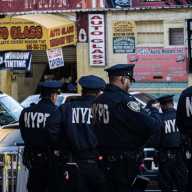
At the beginning of November, the NYPD reported the lowest number of shootings, murders, and robberies in the city’s recorded history.
The Bronx recorded the steepest decline, with major crimes falling by 11.6%, compared to the same period last year. Crime rates have dropped 75% since the late 1970s and early 1990s, when crime was most rampant.
The Bronx has seen tremendous growth in recent years, but a quick Google search will only lead you to crime happening across our borough, not what it actually looks like to live here.
The way Bronx Borough President Vanessa Gibson sees it, the time has come for Bronx residents to accentuate the positives in order to finally shatter those negative perceptions.
“What I tell my fellow Bronxites, is that we have to be storytellers about the Bronx. We have to tell positive stories, we have to talk about the good things that are happening here,” Gibson said in an interview with the Bronx Times.
“Unfortunately, we have had really bad things happen here. We had an ICE shooting in Marble Hill a few weeks ago. We had a mom and her baby thrown off a 15-floor balcony in an act of domestic violence,” she added. “That’s terrible. That’s no depiction I ever want of the Bronx. With these bad cases, I use them as a lesson to learn – to do something different – to show the people of the Bronx that this isn’t normal and it shouldn’t happen.”
Gibson believes that the Bronx goes mostly unnoticed unless a shooting or a stabbing takes place. But the Bronx deserves to be recognized for its efforts to improve in recent decades.
Across the Bronx, developers are showing major interest in the borough’s future and who will live here.
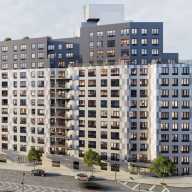
In Hunts Point, The Peninsula, built on the former Spofford Juvenile Detention Center site, recently opened its second phase, adding 359 affordable apartments, community space and an early childhood center. This development also includes a 15,000-square-foot city-owned grocery store expected to open Thanksgiving 2027.
In Morrisania, the proposed River Commons development is expected to bring 328 affordable and supportive apartments, along with health care services and public green space.
In the West Concourse, River Avenue Apartments II is planned to add another 292 affordable homes.
Together, these developments represent hundreds of millions of dollars in investment and nearly 1,000 additional affordable homes across the Bronx.
Yet the issue of reputation and image remains – who will want to move to the Bronx if people are still scared to visit?
Jane Jacobs, a journalist and author who famously fought against Robert Moses – an urban planner who tore the Bronx in half with the Cross Bronx Expressway – argued in “The Death and Life of Great American Cities” that what makes a street seem safe isn’t over policing or fencing off areas, it’s when housing, shops, and people occupy an area.
Places become dangerous when no one is around and there are no eyes on the street, according to Jacobs.
“When people say that a city, or a part of it, is dangerous or is a jungle, what they mean primarily is that they do not feel safe on the sidewalks,” Jacobs wrote.
“The bedrock attribute of a successful city district is that a person must feel personally safe and secure on the street among all these strangers. He must not feel automatically menaced by them. A city district that fails in this respect also does badly in other ways and lays up for itself, and for its city at large, mountain on mountain of trouble.”
In recent years, developers have transformed the South Bronx neighborhood along the Harlem River waterfront to be the next up-and-coming neighborhood for young professionals who are looking for a low-cost neighborhood close to Manhattan.
Yet while the investment is happening now, the payoff is not quite there yet for the Bronx.
The waterfront development in the South Bronx has yet to blossom into a Long Island City or Williamsburg type of neighborhood. Part of the reason business owners have reported slow growth is because of the lack of foot traffic and a slow stream of new renters coming into the area.
“Who would’ve predicted 40, 50, years ago that it would’ve been Williamsburg that would become a hotspot? The South Bronx now has that with Mott Haven, and we’re starting to see that ultra development,” said Dr. Steven Payne, Director of the Bronx Historical Society.
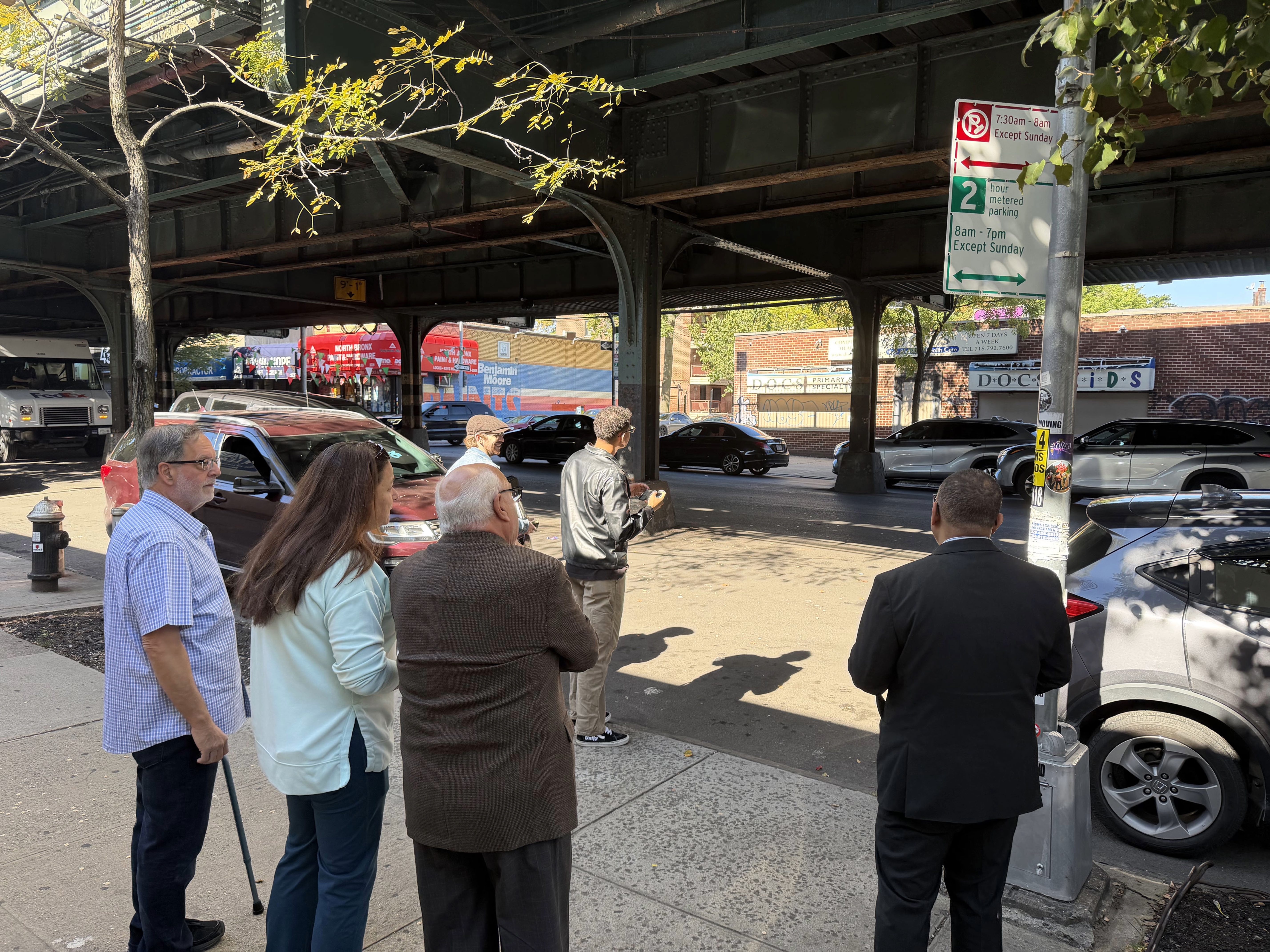
Still, walking around neighborhoods near the Harlem River waterfront like Mott Haven, can be difficult because it’s cut in half by the Major Deegan Expressway – forcing residents to have to walk through several lanes of traffic and highway to get from one side of the street to another.
It’s hard to market that kind of accessibility to new renters – it isn’t as safe or accessible as other newly developed neighborhoods.
“It’s taken a long time for Mott Haven to stick,” Payne said. “It’s still a heavily neglected borough. But we’ve seen in the past 20 years various attempts to reclaim the Bronx.”
Is the Bronx at risk of rebranding beyond recognition?
The Bronx is seeing investments across the borough aimed at ensuring residents have the same access to resources other New York City residents have.
This year, the city opened two new public schools in the Bronx for the 2026-27 academic year. The Bronx School of Arts & Exploration welcomed students from kindergarten to second grade with autism and intellectual disabilities with an arts-centered curriculum designed to help students build confidence and communication skills. While the Bronx School of Hip-Hop welcomed its first class of ninth-grade students. The high school incorporates hip-hop culture into its curriculum, with students studying emceeing, DJing, graffiti art and breaking alongside traditional academic subjects.
The city has also committed funding to improve neighborhoods that have historically lacked public spaces. In August 2026, City Council Speaker Julie Menin and Council Member Oswald Feliz announced $24.4 million for Ittner Place, which will transform unused lots beneath the Cross Bronx Expressway into three new park spaces.
Other park investments include the Harlem River Greenway project, which will work towards a seven-mile walking and cycling route connecting Van Cortlandt Park to Randall’s Island – making the borough more accessible on foot and to those who don’t have cars.
Borough President Gibson has also directed millions of dollars toward education, health care, housing and community facilities through her FY2026 capital budget. The allocation includes $35.2 million for education, $4.2 million for hospitals and clinics, $7 million for affordable housing improvements and NYCHA buildings and $6.7 million for community centers.
But does that mean that the Bronx will fundamentally change in the way we’ve seen neighborhoods in Brooklyn or Queens change?
Community leaders say these efforts should benefit residents who live in the Bronx now. These changes are not solely for potential new residents or for new businesses to be attracted to move to the Bronx.
“There’s no Bushwick in the making in the Bronx,” said Dr. Mark Naison, a History and African American studies professor at Fordham University who directs the Bronx African American History Project.
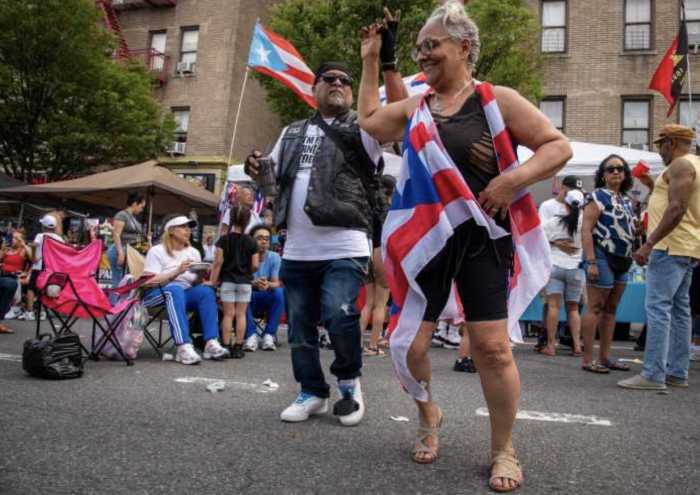
“The Bronx produces some of the most popular music in the world. So you can make the argument that the Bronx is a great site for cultural tourism; it’s a great place to visit, it’s a great place to hear music, to try immigrant foods,” Naison said.
But outsiders moving to the Bronx in massive force, Naison said he doesn’t see it. The first step to changing the way the Bronx is perceived is to get people outside of the borough to recognize what it has to offer.
But he doesn’t see immediate change happening overnight. It’s still a borough for working-class and immigrant people, he added.
“The Bronx is viewed more positively than it was 30 years ago,” Naison said. “But people in the Bronx have seen what happened in Brooklyn and Manhattan and Queens and don’t want it to happen here. People would rather work together to save their neighborhood than be priced out.”