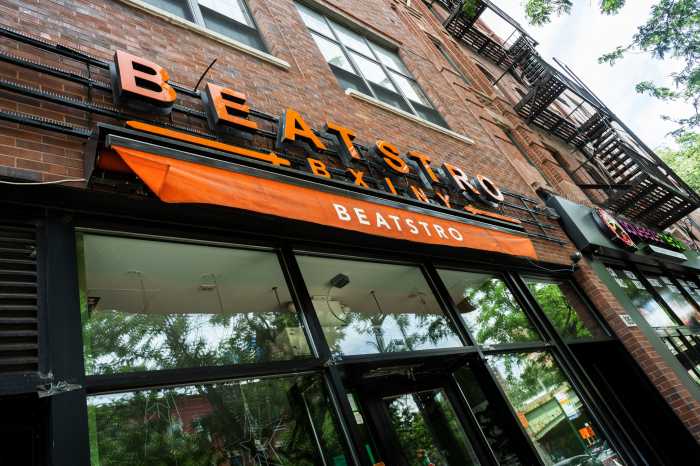
When Alfredo Angueira and his business partner, Junior Martinez, invested nearly $1 million to open up Beatsro near the Mott Haven waterfront in 2017, he believed he was getting in early on what many believed would become one of The Bronx’s fastest-growing neighborhoods.
Developers were assembling land along the Harlem River waterfront, believing the South Bronx neighborhood was poised to become the next Long Island City, according to developers. Plans for luxury high-rises were drawn to transform the low-income neighborhood into a bustling neighborhood for young professionals looking to live close to Manhattan.
Nearly a decade later, however, Angueira and Martinez have closed not only Beatsro, but also Bricks and Hops and Bodega Social — following a road to ruin that many restaurants along Bruckner Boulevard traveled in recent years.
And yet, they weren’t alone.
A wave of restaurants that opened alongside Mott Haven’s waterfront redevelopment have also shuttered — raising questions about whether the neighborhood’s long-promised boom ever truly materialized for the community.
“We knew that the area was primed for investment and real estate development, and we wanted to get into the community early,” Angueira said. “I was from the Bronx, you know, we believed in the Bronx very strongly, and we were looking for opportunities.”
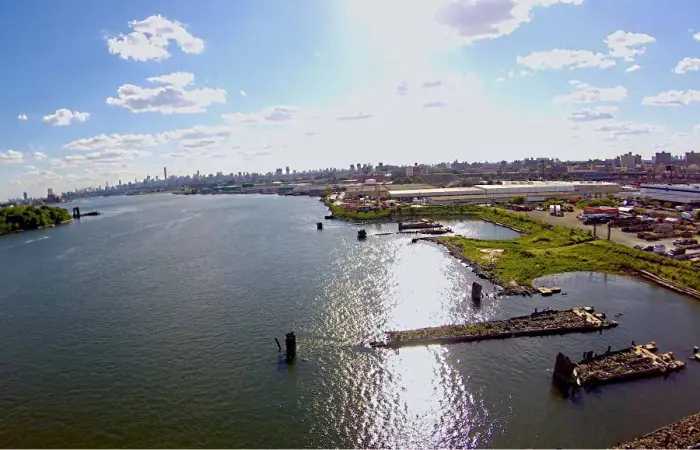
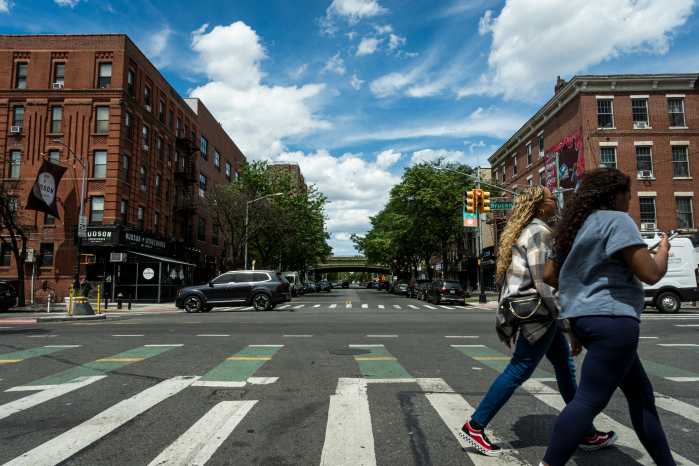
Over the last decade, developers transformed much of the South Bronx waterfront from vacant industrial land into one of New York City’s up-and-coming neighborhoods. Thousands of apartments were approved and built. Restaurants, bars and retailers followed, hoping to capitalize on an influx of new residents.
In 2022 alone, the Department of Buildings permitted 2,881 housing units in Mott Haven and Melrose, according to the NYU Furman Center, more than five times the average number.
But interviews with business owners and residents suggest the neighborhood that emerged looked different from the one for which many entrepreneurs had planned. While luxury apartment towers rose along the Harlem River, the wave of affluent renters many businesses expected either arrived more slowly than anticipated or never reached the scale developers projected.
Betting on the waterfront
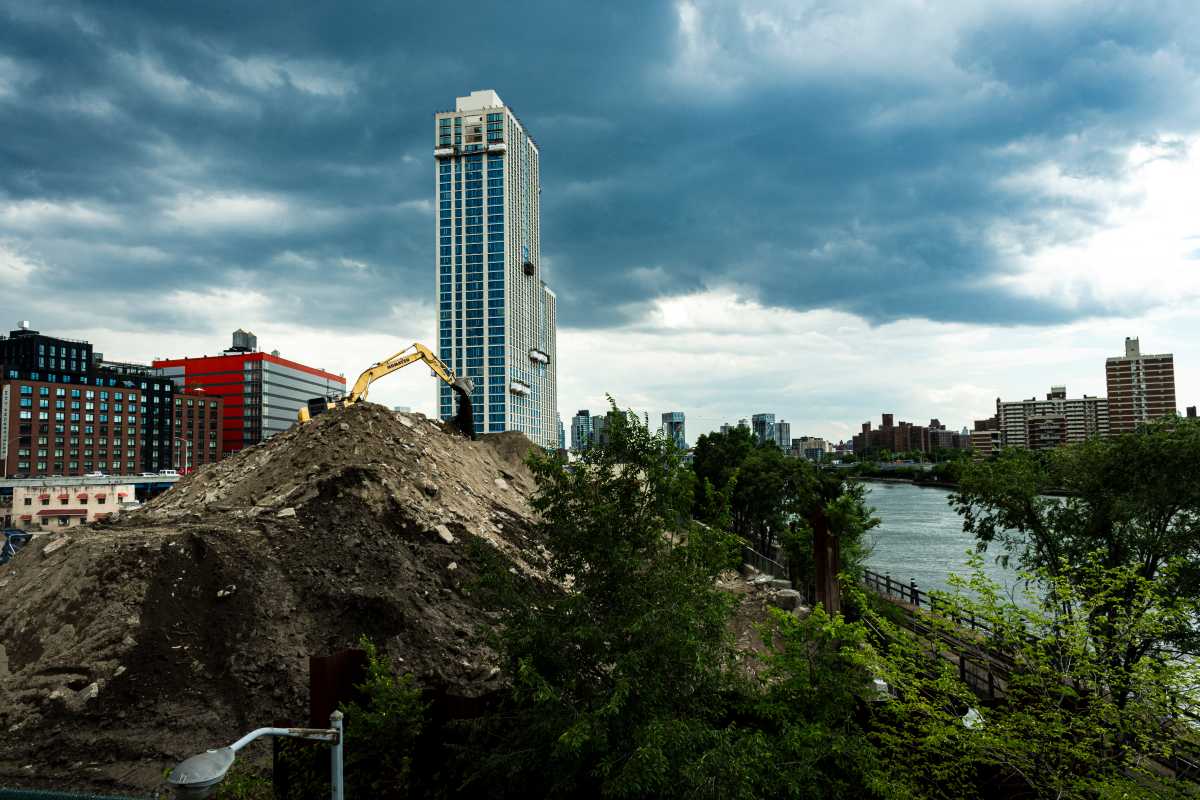
A series of rezonings and private development deals opened large portions of the South Bronx waterfront to residential construction. Former industrial parcels, warehouses, and contaminated brownfields were assembled by developers who saw opportunity in land that sat just minutes from Manhattan.
Developers, including Somerset Partners and the Chetrit Group, promoted a vision of a revitalized waterfront district just minutes away from Manhattan, featuring luxury housing, public waterfront access and new commercial activity.
Eventually, Brookfield Properties acquired much of the site and developed the Third at Bankside and Lincoln at Bankside apartment towers overlooking the Harlem River.
The scale of development was unprecedented for the neighborhood. Several buildings were erected throughout Mott Haven, seemingly overnight: the Maven, the Motto, the Arches, and the Bankside buildings.
Keith Rubenstein of Somerset Partners, who threw the infamous “Bronx is Burning” party to attract investors, invested heavily in the neighborhood, supporting coffee shops, pizzerias, and upscale dog boutiques.
Business owners opened cafés, bars, and restaurants expecting thousands of new residents to support a growing commercial corridor.
While the new waterfront buildings were marketed as luxury developments, many were built as mixed-income housing and accepted residents using housing vouchers and other rental assistance programs.
In 2023, a three-bedroom apartment at Third at Bankside was listed for more than $7,000 per month on StreetEasy. Available units now average between $2,900 and $4,470, but residents say that rents run much higher.
Making the numbers work
Many entrepreneurs assumed the residents occupying those apartments would become their customers. While some restaurants priced their menus to reflect the neighborhood’s income, with more than half of Mott Haven and Melrose households earning under $40,000, some residents described feeling sticker-shocked by some of the costs.
Nelly Mobley, a Bronx native and resident of Third at Bankside, said some businesses may have overestimated how much local residents could afford to spend. She recalled paying $70 for a branzino dish, saying it cost more than similar meals she had ordered in Manhattan.
“In many of these restaurants, you think you’re at a place in the city where you’re paying for ambiance and location,” Mobley said.
Michael Brady, co-owner of Bar 47, former CEO of the Third Avenue Business Improvement District, and a former master planner for the South Bronx waterfront, noted that real estate speculation in Mott Haven, and changing tastes among the public, helped drive business failure more than success.
“There were definitely some other folks who were speculating on higher income earners, and unfortunately, a lot of those businesses are no longer here, their business model just didn’t work,” Brady said. “Everything in New York City is getting more expensive, people are not drinking as much, and they’re also being very careful about their dollars.”
Business owners in the area described several issues affecting their ability to operate, many of which mirror broader challenges facing restaurants across New York City.
Rising food costs, labor shortages, inflation and changing consumer habits have squeezed profit margins industry-wide. But Mott Haven business owners say those challenges were compounded by a customer base that never grew the way many expected.
Angueira opened Beatsro and Bricks & Hops just as excitement around the waterfront redevelopment was building. When the COVID-19 pandemic shut down indoor dining in 2020, he converted his kitchen into a disaster-recovery meal center to continue paying his employees. As restrictions eased, he spent heavily on reopening costs and health compliance measures.
Even after business returned, operating costs continued to climb. At one point, Angueira said his businesses were losing more than $20,000 a week. Beatsro closed its storefront in May, while still using the space for catering orders.
Not every restaurant along the waterfront has struggled. Some, like Charlie’s Bar & Kitchen, which opened in 2011 before the latest wave of development, have managed to survive on a loyal customer base built over more than a decade.
Brady said Bar 47 has similarly avoided the fate of many neighboring businesses, but only by absorbing rising costs rather than passing them on to customers. Insurance costs alone have climbed 45% to about $41,000 a year, he said.
“A few years ago, we were winning. We had really strong revenue numbers,” Brady said. “Right now, we’re kind of just at that break-even point because we’ve consciously not raised prices.”
Brady said the decision is intentional. As a neighborhood bar, he worries that raising prices too aggressively would alienate the regulars who have kept the business afloat.
“Could we raise the cost of a beer by $1.50? Probably. Would people still come? Probably,” Brady said. “But we don’t want to lose being the community bar that we know and love. So we’ll take the hit to keep that going.”
Anguiera also described the increasing costs of food, insurance, utilities, and rent cutting into his ability to stay profitable
“How much can you charge for a hamburger and fries before it becomes untenable, and you start reaching that point very quickly,” Angueira said. “My client base here isn’t going to support a $45 hamburger; that’s not going to work.”
“You couple that with the cost of goods, inflation, and you have a recipe for disaster, especially in some place like Mott Haven,” Angueira said. “It wasn’t an area that could take a shock to the system, so to speak, because it was still developing, it was still growing, that growth and that infancy was cut out from under it.”
Needed investment in Mott Haven
For residents and business owners, the waterfront’s transformation remains incomplete.
While billions of dollars have been invested in new housing, they say many of the public investments needed to support a growing neighborhood have lagged behind. Vacant storefronts continue to line the ground floors of several apartment buildings, while residents point to poor lighting, sanitation concerns, and a lack of basic neighborhood amenities.
Several residents and business owners said many of the new tenants do not stay long-term, choosing not to renew their leases after experiencing quality-of-life issues in the neighborhood. The frequent turnover has made it more difficult for local businesses to build a stable base of repeat customers.
Mobley, who has lived at Third at Bankside for a year and a half, said services such as street lighting and sanitation have not kept pace with the neighborhood’s rapid growth. She also said the area still lacks a full-service supermarket, forcing many residents to leave the neighborhood for groceries.
Brady and his husband, Tony Billups, said Bankside Park, the public waterfront park maintained by the Bankside property’s management team, also reflects what they see as uneven investment. They pointed to overflowing trash, exposed wiring and maintenance issues that they said are inconsistent with a newly developed waterfront.
Brady said the public investment needed to support the waterfront has not kept pace with private development. Broken streetlights, inconsistent sanitation and deferred maintenance as quality-of-life issues that affect both residents and businesses.
“It’s just a never-ending battle,” Billups said. “A lot of the problems are very simple fixes, but it just takes forever to get them done.”
Read more from our series, “Our Forgotten Borough.”