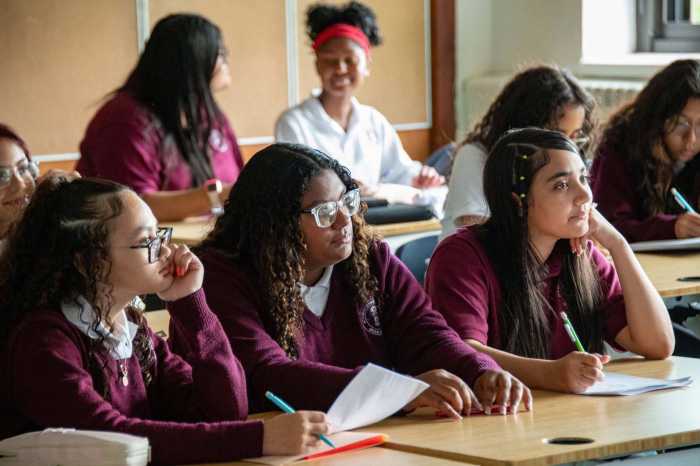
The first-of-its-kind Bronx School of Hip-Hop will open this fall and school staff intend to make sure students know and feel their place in history.
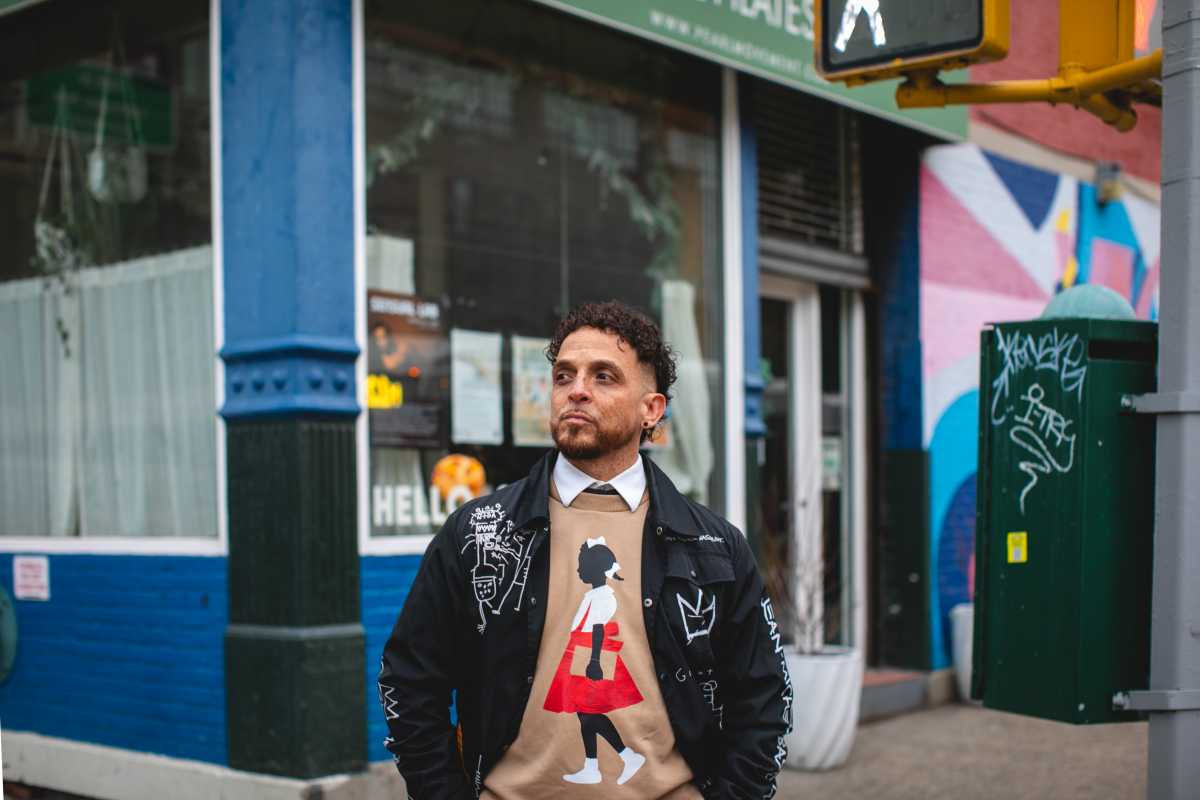
Principal Jason Reyes will lead the inaugural class, starting with ninth grade and building capacity each year. Every aspect of the school, from the walls to the curriculum to the bells between classes, will be infused with hip-hop sounds, imagery and legacy, he told the Bronx Times.
“You’re gonna know that you’re in the Bronx School of Hip-Hop,” Reyes said.
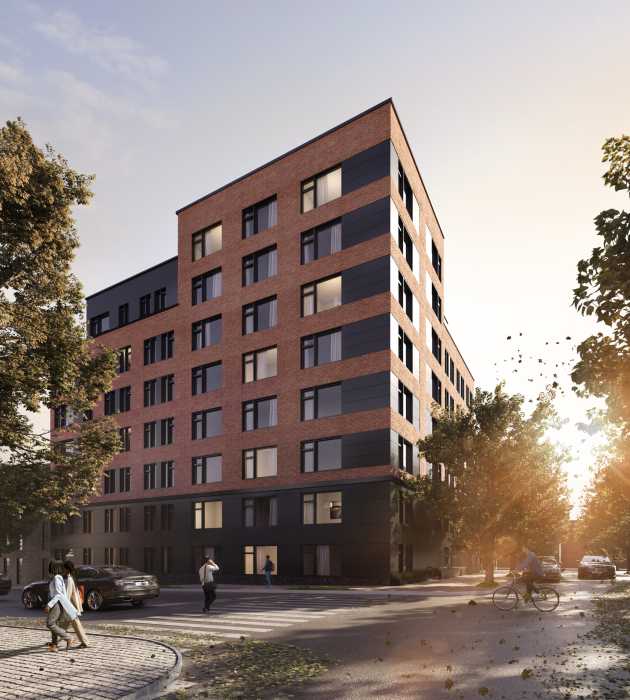
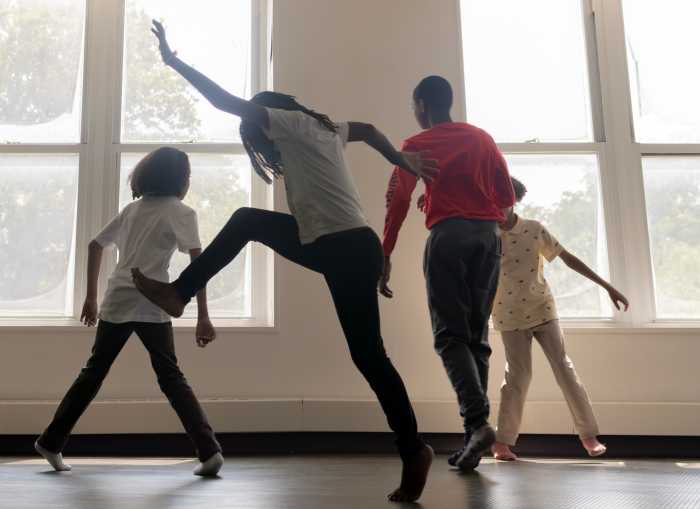
The Department of Education approved the school in December to open at 1600 Webster Ave. in Claremont. Reyes said his team is still working on the “beautiful” space that will eventually have full video and audio production studios, a dance studio, portable tech equipment, murals and other amenities unique to the hip-hop concept and foundational for any high school.
Reyes grew up in Soundview in what is now called the NYCHA Sonia Sotomayor Houses, a neighborhood rich with hip-hop pioneers and places.
Reyes’ career in education began in 2004 when he became a substitute math teacher at M.S. 129 in his native neighborhood. He then progressed into a regular teaching role and became principal at the same school in 2019.
As a school leader, Reyes said he relies on “the same things that made me successful as a teacher, which was really leaning into my community, the culture in my community and my Bronx roots.”
That background will matter even more at the Bronx School of Hip-Hop. Being selected as founding principal of the new school is “an honor” that Reyes said he’s well-suited for.
The school’s approach will rely on viewing hip-hop “as educational, as rigorous, as instructional,” Reyes said.
Culture as curriculum
Curriculum will center around the five main elements of the genre: DJing, MCing, graffiti, breaking and self-knowledge. Students will work towards mastery of regular school standards and the state Portrait of a Graduate that emphasizes critical thinking, creativity and reflectiveness, all filtered through a hip-hop lens, according to Reyes.
For instance, he said English classes will incorporate MCing skills in students’ study of writing, persuasion and rhetorical devices. They may study the words of Kendrick Lamar, Nas and Rakim alongside those of Mark Twain, Shakespeare and Ralph Ellison, Reyes said.
In math, where most students want to know where they’re going to apply that knowledge outside of school, the answer may lie in beat production and DJing, which relies on ratios, proportions and analytical skills, he said.
The curriculum aims to build on what students already know and emphasize well-roundedness, from the physical to the mental, but perhaps the most important element of hip-hop is knowledge of self, Reyes said.
Understanding one’s own place in society and history is critical, and the genre itself is “an American success story” that emerged from humble roots and struggles to become influential on a worldwide scale. Students at the school may mirror that same trajectory, Reyes said.
The framework of hip-hop in a school “allows us to open these doors seamlessly, because now we have a vehicle … for students to gain access,” he said. “When we talk about culturally relevant instruction, this is the epitome of that.”
He described the school’s approach as rigorous and practical, especially because hip-hop’s success relies on not just performers but those who work in entertainment law, content creation, marketing and other aspects of the business.
Reyes said students will leave the school with a strong academic foundation plus technical skills, financial savvy and an entrepreneurial mindset. “Students should understand how to own what they create,” he said.
Making history
As August approaches, Reyes said he’s seen “a lot of interest” from potential staff from a variety of backgrounds who are excited about the new school concept. Staff will be certified in content areas as required but also “understand that culture is curriculum,” Reyes said.
So far, he said enrollment is “looking pretty good” towards a goal of 115 to 120 students for the founding class. Full capacity will be 400 to 450 with all grades 9-12, and “a building process” lies ahead, according to Reyes.
He said the ideal student at the Bronx School of Hip-Hop is not necessarily the would-be rapper type but rather those who work hard and will go deep into understanding and expressing their own identity — “students who see themselves as the asset,” as Reyes put it.
The school is open to all NYC residents, and as staff get ready to welcome the first class, the space is being “carefully curated for their learning experiences,” Reyes said. Orientations and community-building events will start soon, with “some surprises” ahead, he added.
Reyes said he hopes the Bronx will embrace and uplift the incoming students as they become the first in the country to attend a school centered on the genre made famous in the borough.
“These children are making history,” Reyes said.
Reach Emily Swanson at eswanson@schnepsmedia.com or (646) 717-0015. For more coverage, subscribe to our newsletter and follow us on Twitter, Facebook and Instagram!