What began as an effort to help two older women remain in their Throggs Neck apartments has taken an unfortunate turn, one of the tenants was forced out of her apartment and is now living out of state following difficulties involving her Section 8 housing assistance.
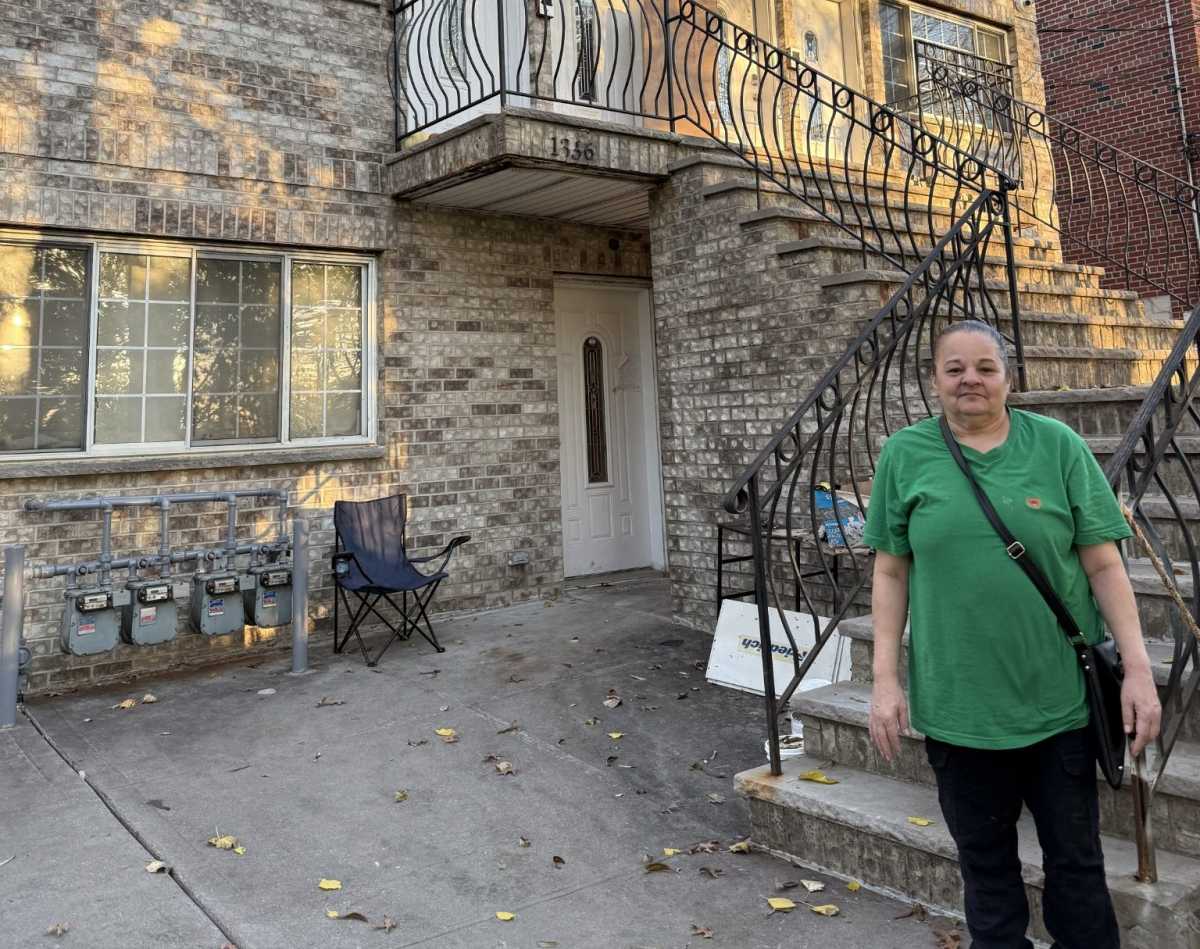
Wanda, a Throggs Neck resident in her 60s, and Atila, a Throggs Neck resident in her 80s, lived in separate subsidized apartments inside the same house on Vreeland Avenue. Both relied on rental assistance to help cover their housing costs, but complications involving their vouchers placed their ability to remain in their apartments in jeopardy.
For Atila, living in a neighborhood like Throggs Neck had been a dream. She described it as a great and safe place to live, somewhere she had hoped to settle and enjoy her later years. Instead, she has since relocated out of state, and her daughter, Glori, regrets that the circumstances prevented her mother from remaining in the neighborhood she had wanted to call home.
According to Marie Angeli, the property’s manager, Atila originally received approval to transfer into the Vreeland Avenue apartment through the Section 8 program.
After moving in, however, she was informed that her annual recertification had not been completed, putting her rental assistance at risk.
Angeli maintains that the recertification paperwork, along with the necessary supporting documents, had already been submitted as part of the transfer package. From her perspective, Atila had followed the required process and received permission to move into the apartment.
Despite efforts to provide documentation showing that the paperwork had been submitted, Angeli said they were ultimately told it was too late to restore the assistance.
For Atila and her family, what began as an effort to secure stable housing ended with her having to leave the neighborhood altogether.
Meanwhile, Wanda has faced her own difficulties involving the Section 8 program.
Her assistance, administered through the New York City Housing Authority, was discontinued approximately three months after she moved into the property. The loss of the subsidy raised questions about how she would continue covering her rent and whether she would be able to remain in her apartment.
The Bronx Times reached out to NYCHA but did not receive a comment back in time for publication.
Angeli has worked with housing officials and social workers for months in an effort to address both cases and preserve the women’s housing.
The Section 8 Housing Choice Voucher Program helps eligible low income families, older adults and individuals with disabilities afford privately owned rental housing. Participants generally pay a portion of their income toward rent, while the program subsidizes the remaining eligible amount.
Tenants must comply with program requirements, including annual recertifications and income verification, to maintain their assistance.
For older residents, particularly those who may struggle with online systems, administrative notices or gathering necessary documents, navigating these requirements can become challenging.
The Vreeland Avenue cases raise questions about what happens when tenants believe they have followed the required procedures but later learn their assistance is no longer active.
While questions surrounding the housing assistance disputes remain, Atila’s relocation illustrates the personal consequences these situations can carry.
For a woman in her 80s who had dreamed of living in what she considered to be a safe and thriving neighborhood like Throggs Neck, the outcome meant more than losing an apartment. It meant leaving behind a place where she had hoped to spend her later years.