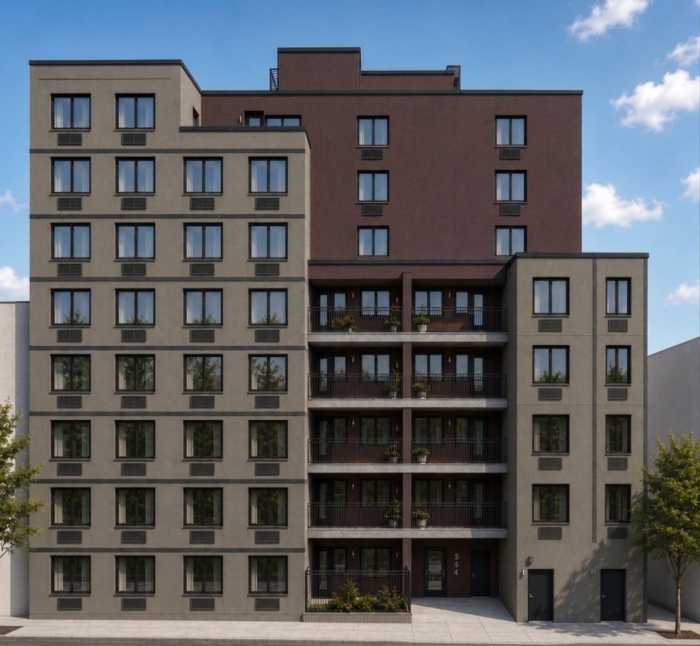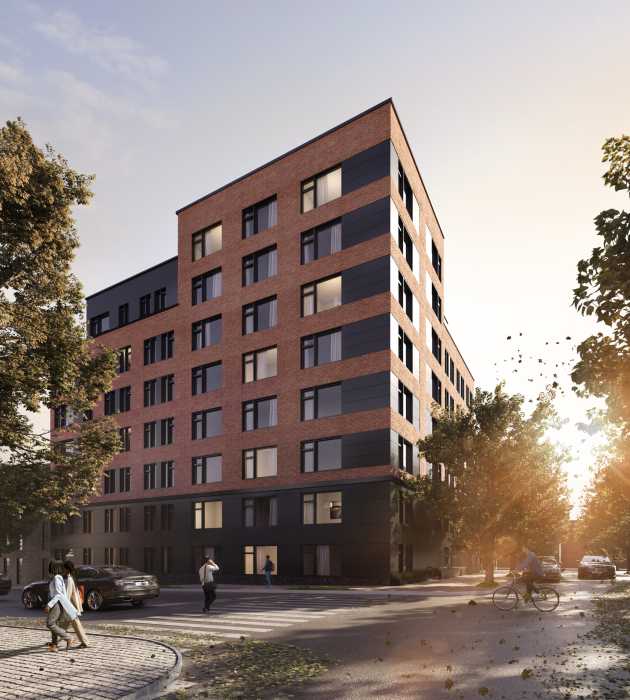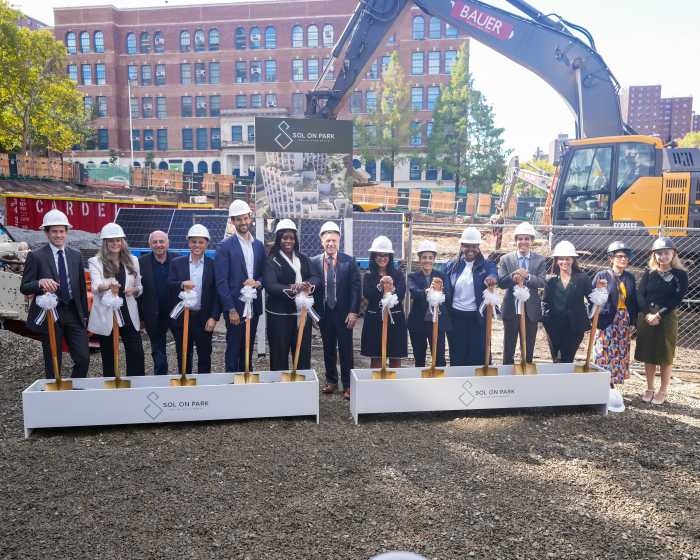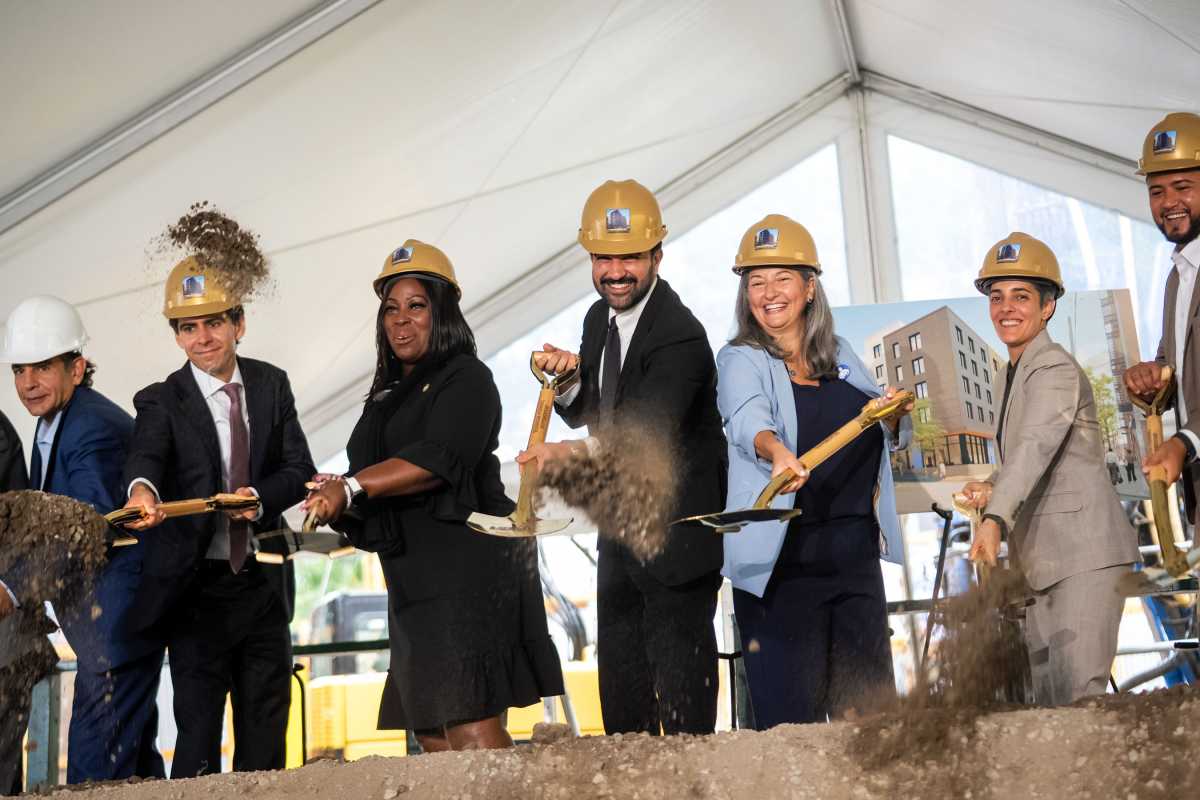
Construction has started on the Casanova Residence, an upcoming 100% affordable housing development with 96 units at 658-674 Casanova St. in Hunts Point.
The development will be six stories tall. Of the 96 units, 38 will be dedicated to affordable housing and 58 will be for formerly homeless individuals. In addition to the housing units, the Casanova Residence will also have on-site services available to residents.
Supportive housing units will cater to individuals and families who deal with serious mental illness, substance use disorders or disabling medical conditions through the New York City 15/15 Supportive Housing Initiative. Some of the on-site components accessible to residents will include case management, adult basic education, computer skills training, financial literacy classes, occupational courses, paid work training, job-search preparation, legal referrals and more.
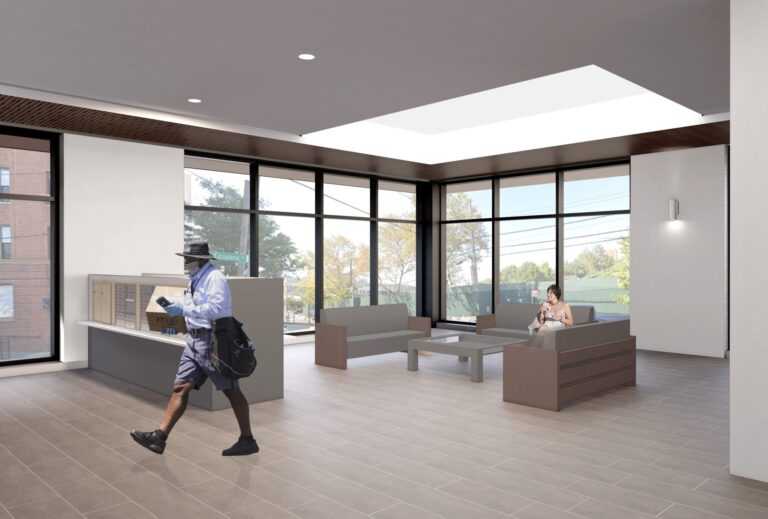
Amenities for residents will include free broadband internet in the units, a fitness center, a landscaped outdoor space and dedicated community and service areas, which will be operated by the Doe Fund.
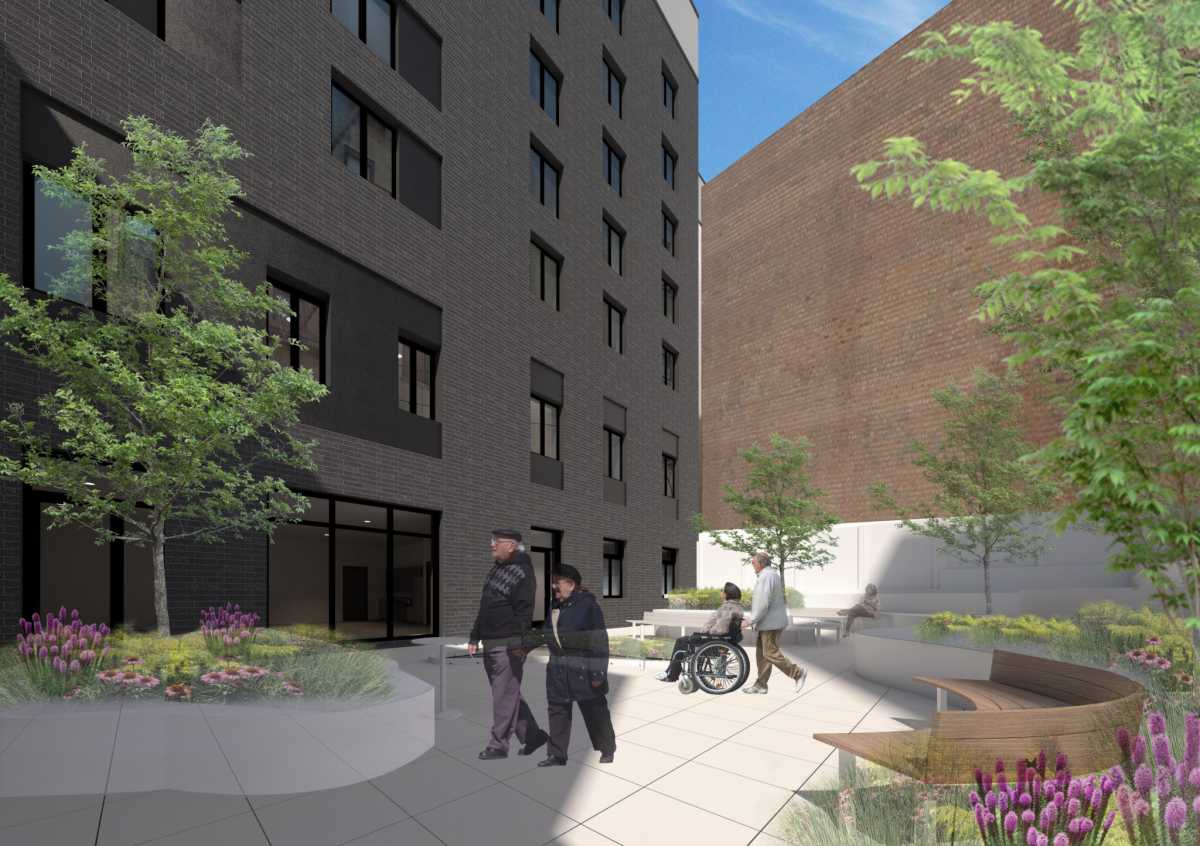
The Doe Fund is developing the Casanova Residence, which was designed by Curtis + Ginsberg Architects. There has not yet been an estimated completion date given.
The property is within close proximity to the Longwood Avenue subway station, which provides service for the 6 train, and bus stops for the Bx6, Bx6-SBS and Bx46 lines. Other notable nearby features include the Hunts Point Recreation Center, the Hunts Point Playground, Leaders in Our Neighborhood (LION) Charter School and the Bronx Academy for Multi-Media.
Prior to the start of construction of the affordable housing building, 658-674 Casanova St. was occupied by a low-rise commercial structure. The site had been vacant for the last two years.
The Casanova Residence is part of Mayor Zohran Mamdani’s administration’s “Block by Block” initative to combat the housing crisis in New York City. This initiative aims to create 200,000 new affordable homes and preserve another 200,000 over the next ten years while also investing in public housing, strengthening tenant protections and expanding homeownership opportunities.
Approximately $1 billion is being invested by the city over the next two fiscal years in creating and preserving affordable housing. This investment represents a 60% increase from the previous two fiscal years.