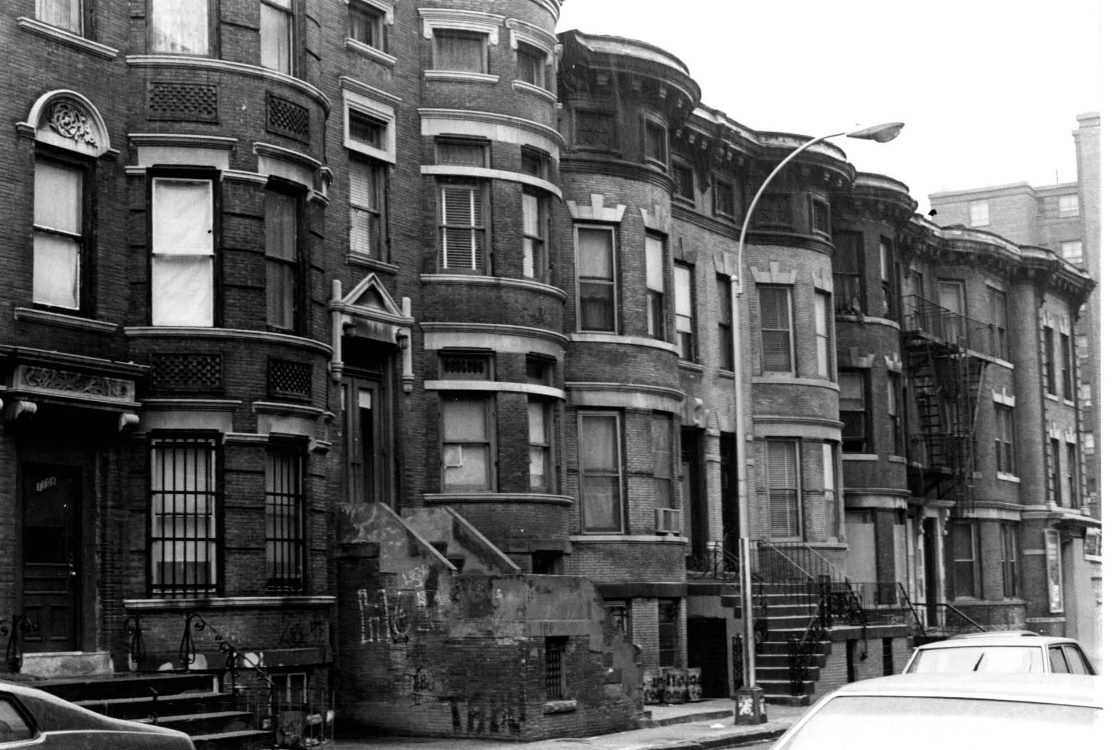
The Bronx was not always the Bronx. Until 1874, it was part of Westchester County. Until 1898, it was not its own borough, as it was incorporated into the greater City of New York; at the time, it was part of Manhattan (New York County).
The Bronx was established as the 62nd county of the state, and the fifth borough of New York City, in 1914.
Over the course of more than a century, the Bronx has evolved from pastoral farmland to bustling urban neighborhoods. So have the people who have lived here through the generations.
On summer evenings in the postwar Bronx, Gene Norman would sit on his fire escape on Kelly Street and listen. Around the corner, the horns of La Tropicana Club cut through the heat. He called it the Pied Piper. On his block alone were Jewish families, Jamaican families, Italians, Eastern Europeans, Puerto Ricans. None of that mattered when the music started.
That was the Bronx.
For more than a century, the borough has been New York City’s place of arrival, where immigrants landed when Manhattan got too expensive, too crowded, or too closed off. Who lives in the Bronx has never been fixed. It has always been the answer to a question asked somewhere else: where can we go?
When the Third Avenue elevated train extended into the Bronx in the late 19th century, it carried Jewish families from the Lower East Side, Italians, and Irish. They saw the borough’s wide apartments and parkland as a step up.
By the 1930s, that was already shifting. Landlords in Morrisania, a heavily Jewish and left-wing neighborhood in the southeast Bronx, found their buildings emptying during the Depression. According to Mark D. Naison, professor of African American Studies and History at Fordham University and founder of the Bronx African American History Project, some put signs in their windows that read “We rent to select colored families.”
“Harlem was hyper-segregated, overcrowded. Black people were barred from moving to most places. The word gets out: bigger apartments, better air, better schools,” he said.
Black middle-class families came. Puerto Rican families followed, settling in Hunts Point. African American kids singing doo-wop on stoops and Puerto Rican kids playing drums on rooftops traded sounds. Those neighborhoods became, in Naison’s words, the single most important incubator of popular music in the United States.
“It didn’t matter who you were,” he said. “You danced Latin, you ate Jewish deli, and you sang doo-wop. That was being a part of the Bronx.”
The destruction of the late 20th century
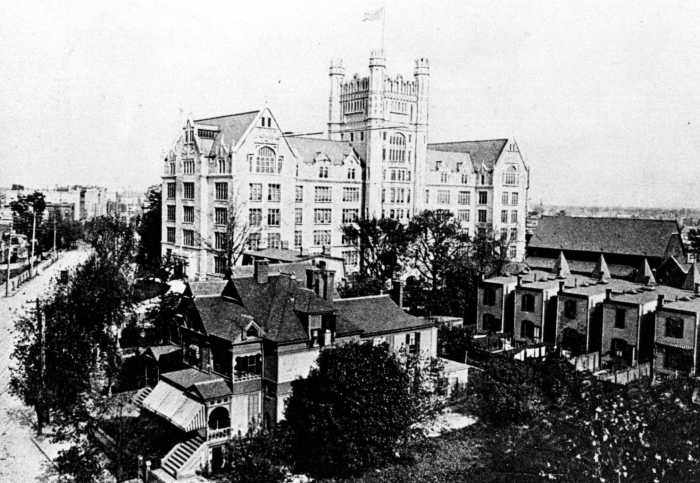
That world did not withstand the postwar decades. The Cross Bronx Expressway tore through established neighborhoods. Redlining starved the borough of investment. White flight accelerated. By 1970, a borough that had been 96% white in 1930 was 65% Black and Puerto Rican.
Then came the fires.
Landlords burned buildings for insurance money. The city cut services. Jim Buckley, who started as a tenant organizer in the Northwest Bronx in 1976 and has led the University Neighborhood Housing Program for nearly four decades, remembers the assumption that hung over the borough.
“The assumption seemed to me that the borough was just going to go abandoned,” he said.
Between 1970 and 1980, seven census tracts in the Bronx lost more than 97% of their buildings to fire and abandonment. Forty-four others lost more than half.
And yet people kept coming.
The 1965 Immigration Reform Act opened the country to Caribbean arrivals in numbers not seen before. It was their children, the pioneers of hip hop, who mixed sound system culture from Jamaica with salsa and funk in the parks of the South Bronx. A musical form was born in a borough the rest of the country had written off.
Naison put it another way. He wrote a rap about it.
The Northwest Bronx Community and Clergy Coalition (now Our Bronx) founded in 1974, organized tenants building by building. Buckley joined straight out of Fordham, figuring he would stay a year or two. He has been there for nearly 50 years.
As the borough rebuilt, the population shifted again. Dominican families, priced out of upper Manhattan, moved into the West Bronx. By 2000, Dominicans outnumbered Puerto Ricans in the borough. West African families followed, pushed out of a gentrifying Harlem. Bangladeshi families came from Jackson Heights. Albanians settled around Arthur Avenue.
“It was always multicultural,” Naison said. “It’s just the groups are changing.”
Today, the Bronx has the largest Dominican population of any county in the United States and one of the largest concentrations of West Africans in the country. The South Bronx congressional district remains among the poorest in the nation. And for the first time in its history as a destination, the borough is beginning to feel the pressure that has transformed Harlem, the Lower East Side, and much of Brooklyn.
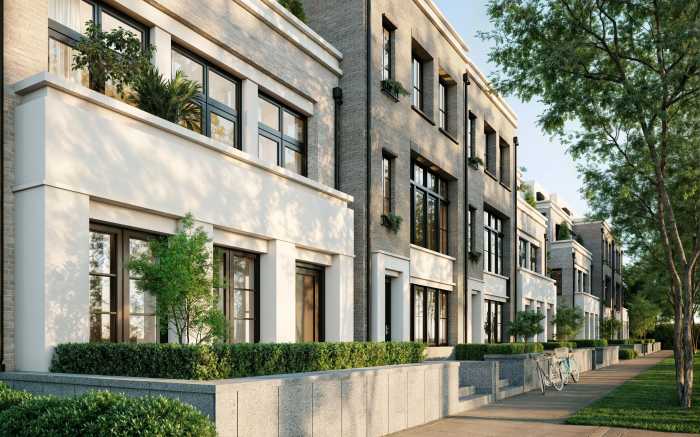
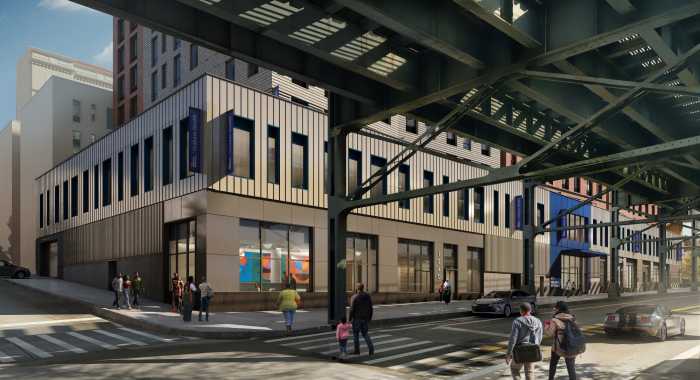
New luxury towers are rising in Mott Haven. Rents on the Grand Concourse have climbed. Some longtime residents are moving to Queens or further.
Roger McCormack, Director of Education at the Bronx County Historical Society, lives in the Norwood neighborhood near the Yonkers border.
“When people realize they can get on the 4 train from Mott Haven and be in Manhattan in 35 or 40 minutes, we’re not immune from the trends that have buffeted the other boroughs,” he said. “It hasn’t gentrified nearly to the degree of Brooklyn, but you see the little things.”
Naison is less alarmed. The four highways ringing the South Bronx, the waste transfer stations, the concentration of shelters and halfway houses may be what protects it for now.
“No middle-class family with children is going to want to move into a neighborhood with that kind of air quality,” he said. “For bad reasons, something that might be seen as good happens.”
Buckley has spent nearly five decades fighting for the people the borough keeps welcoming. “I continue to be hopeful,” he said. “There’s a lot to build on here.”
On Kelly Street, the building where Gene Norman once sat on his fire escape is gone. New families have arrived. Others have moved on. The question they all came here asking is still being asked.
Where can we go?
The Bronx, for now, still has an answer.