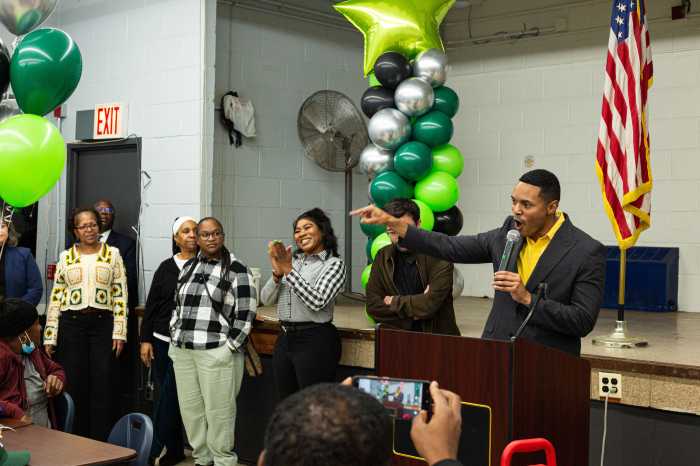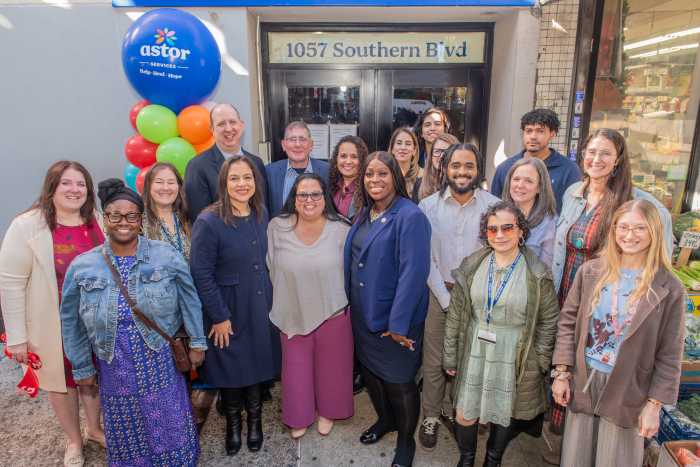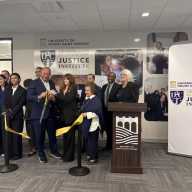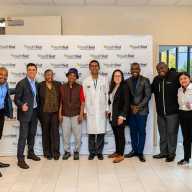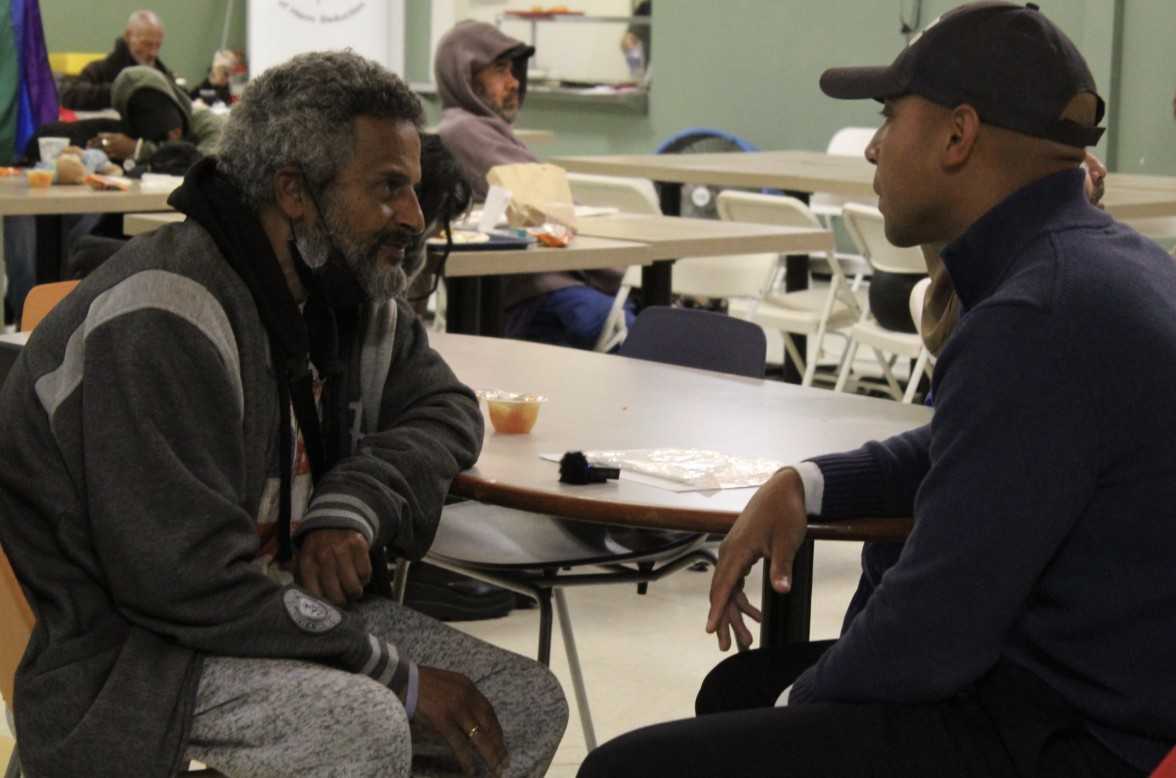
The Mamdani administration announced at St. Ann’s Corner of Harm Reduction Center (SACHR) that overdose rates have returned to pre-pandemic levels since 2019 — declining 58% since its record-high peak in 2022.
According to overdose reports released by the NYC Department of Health, overdose deaths have fallen 359 total in the second quarter of 2026, compared to 2022 when overdose death rates peaked to 3,070.
“Every overdose death is a life lost, and a reminder of the work we still have to do,” said Mayor Zohran Mamdani. “We know what saves lives: connecting people with care and making recovery services accessible to everyone who needs them. We are investing in the peer specialists and community-based organizations doing that work every day. We will keep fighting to bring these numbers down and ensure that no New Yorker is left behind.”
In May, Mayor Mamdani invested $12 million to expand peer-led substance-use recovery services across NYC. As part of HealthyNYC campaign for “Healthier, Longer lives” the city created 500 new peer specialist positions over the span of four years through citywide community-based organizations to support individuals with substance-use disorders.
NYC Health Commissioner Dr. Alister F. Martin toured the SACHR facilities, which operates the longest continuously running syringe exchange program in the United States
“The data is showing that for the first time in many years, we have seen tremendous declines in overdose death rates, and we’ve never seen this level of decline,” Dr. Martin said. “It’s a list of historic investments that I think are helping to bring that number down.”
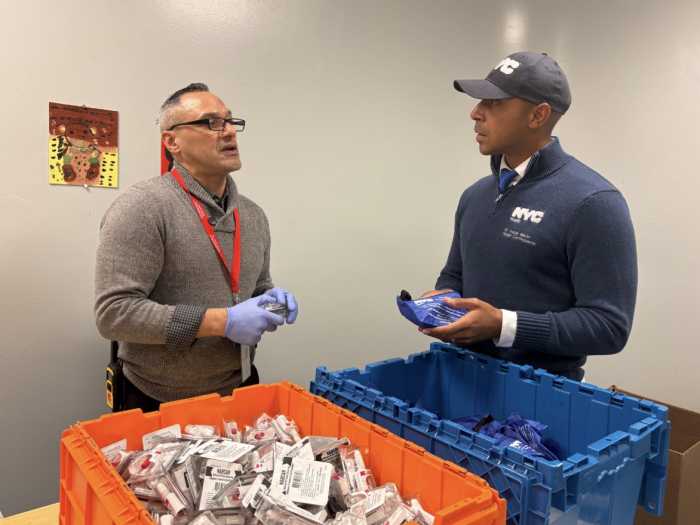
The city also recently expanded its public health vending machines that provide 24/7 free access to harm reduction and wellness supplies to Staten Island, that includes free Narcan, fentanyl test strips, hygiene kits, socks, condoms, and safer sex supplies. Although there are no public vending machines currently in the Bronx, residents can access the supplies through local community health organizations like SAHRC, health fairs and neighborhood centers.
Another initiative Dr. Martin contributes to the decline in overdose deaths is the Community Syringe Redemption Program that pays incentives for syringe litter cleanup, paying participants up to $10 per day.
“It’s really this shift from criminalization to care. And this idea that this is a disease, like many other diseases, that needs time, attention, capacity, and focus, and when we have the right treatments that are offered to people, they get better,” says Dr. Martin.
Dr. Martin shares that a big part of the work is also equipping New Yorkers to be prepared to intervene when an overdose happens. In 2025, the NYC Health Department distributed more than 285,000 Narcan kits citywide to local providers and individuals.
SACHR, operating in the South Bronx, offers a syringe access program, holistic health program, drug user health hub, and a women’s service unit, and distributes naloxone kits to the community.
“It’s a place where people can come to recover,” said Dr. Joyce Rivera, Founder and President of SACHR.
While the data shows an exponential decline in overdose rates across the city, the Bronx disproportionately continues to bear the greatest burden of overdose rates. In 2025, as in previous years, Bronx residents had the highest rate of overdose death — that is more than twice the rate of any other borough.
“We have begun to pay attention to the opioid epidemic in ways that bring resources into the hands of people who need it. We educate people so that they can identify an overdose. A lot of people who are overdosing may be a one shot deal,” Dr. Rivera said.
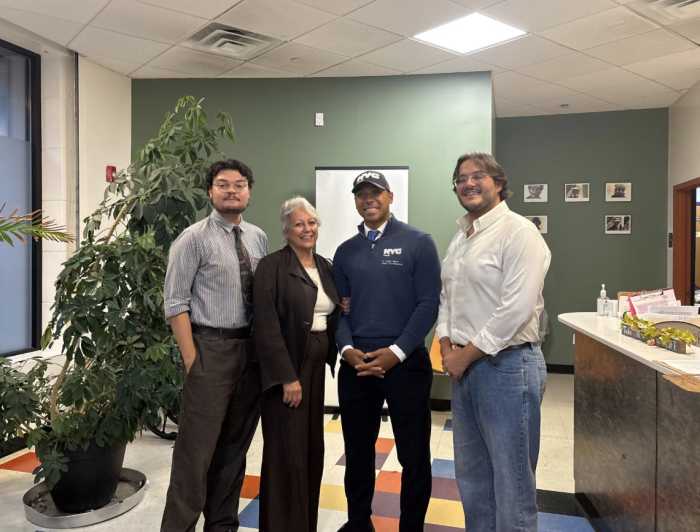
By sharing educational resources, they hope to reduce the stigma connected to seeing care for drug-use — an obstacle both Dr. Martin and Dr. Rivera share is the most difficult to overcome in the harm reduction field.
In the South Bronx, Dr. Rivera says they are now thinking of the role of stimulants penetrating the opioids, with more than half of US overdose deaths involving stimulants.
“It’s a big issue now that we have to pay attention to because it has been ignored, but we will need more resources, including mental health resources for people who are amped up on cocaine and other stimulants,” Dr. Rivera said.
SACHR is funded through a variety of sources, one of their main funding came through the Opioid Settlement Fund where the City of New York sued prescription opioid manufacturers and distributors to address the harm caused by the misleading marketing and improper distribution of these drugs back in January of 2018.
“A little compassion goes a long way, and it costs an hour of work and harm reduction is cost effective,” shared Dr. Rivera said.
“It is so much cheaper than criminalizing, and so much less suffering, and so much of a better investment, and our common resources, and in the lives of communities. We can find a better way to do that, we can build a better way when we’re working together.”