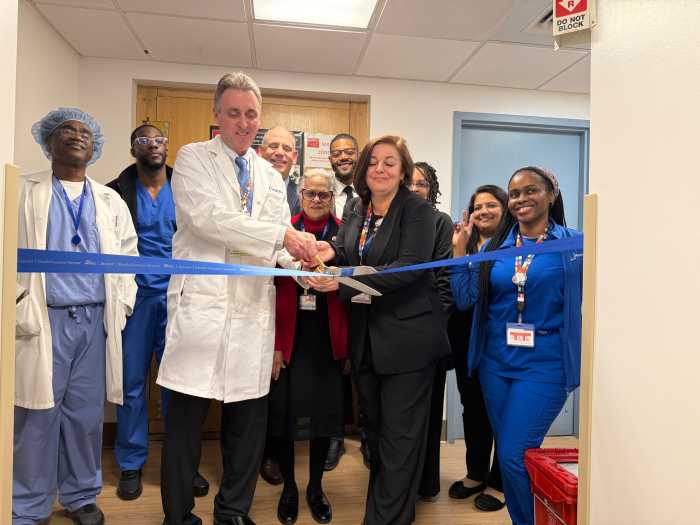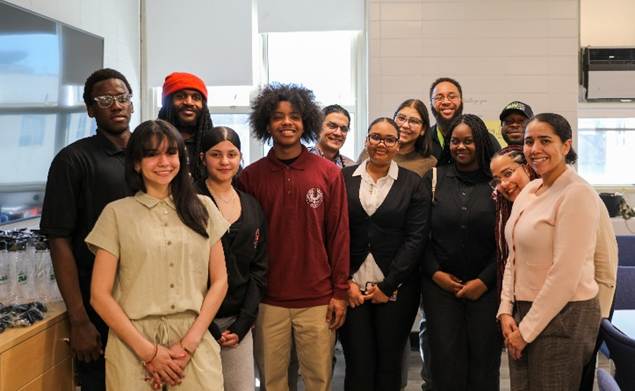
NYC Health + Hospitals/Jacobi | North Central Bronx’s Stand Up to Violence program hosted students from Fordham Leadership Academy High School for a tour of the adult Level I and pediatric Level II Trauma Center on Tuesday, May 5.
The tour helped these students learn about the care involved in treating patients of violent trauma. They were walked through the emergency response involved in treating patients of violent trauma by Jacobi Hospital’s Assistant Director of Operations for the Emergency Department Desiree Guzman.
Students also asked sharp questions, with discussions taking place after the tour that helped bridge the gap between classroom learning and real-world health care careers.
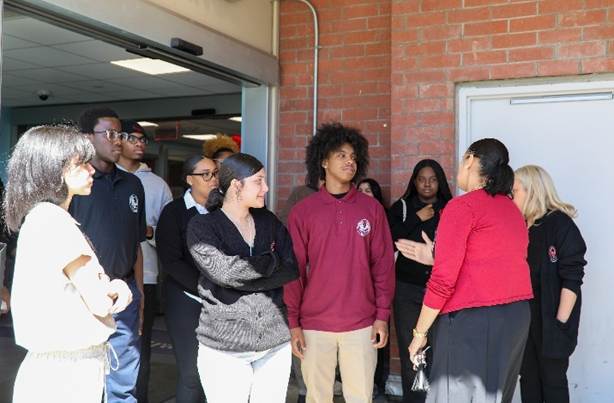
“Touring Jacobi Hospital with SUV was very fun, new and informative,” said Melanie, a Junior at Fordham Leadership Academy.
“When I asked Desiree about the most impactful case she’s experienced at Jacobi, she shared a story about a 16-year-old boy surviving a violent trauma to the head. It opened my eyes to how fast doctors work, with so many tools, on complex cases. Because of that great and fast work, today that boy is still living life. Being a part of SUV’s mentorship program has helped me to see the best in people, and I’ve learned ways to motivate others for the better.”
Prior to the tour, the students met with hospital staff from pediatrics, social work and community health, who talked about how they were drawn to violence intervention work. The students also discussed their own career aspirations, which included business, law, medicine, real estate and public service.
Now in its second year, the partnership between Fordham Leadership Academy and the Stand Up to Violence program has also included Career Day and Stand Up to Violence Week, in addition to hospital tours. Since the Stand Up to Violence program’s establishment in 2014, it has regularly engaged with Bronx youths and helped connect them to supportive services, including educational, vocational and employment resources.
Chances of upward mobility are increased when young students are encouraged to consider career goals and offered attainable employment opportunities. Education and employment opportunities are essential to the Stand Up to Violence program’s efforts.
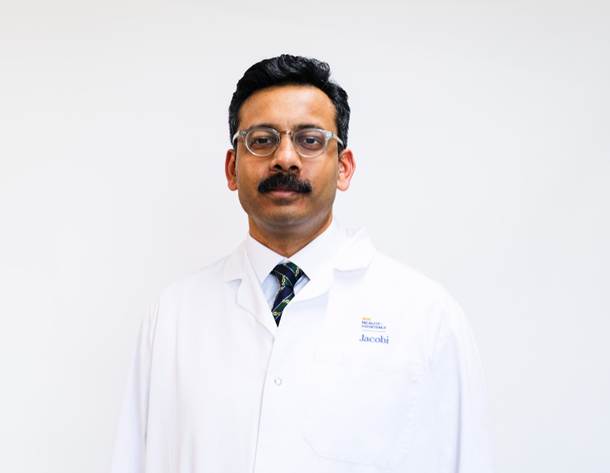
“Exposing students in our community to STEM and medical fields is critical to helping them see careers in these sectors as a viable option for their futures,” NYC Health + Hospitals/Jacobi Medical Director for Stand Up to Violence and Pediatric Hospital Medicine Dr. Noé Romo said.
“Investment in our youth must include planting a seed of inquiry that can be nurtured to blossom in a way that inspires them to serve their communities on their career paths.”
Dr. Romo helped establish the Stand Up to Violence program after recognizing how strongly community violence can shape outcomes for pediatric trauma patients while he was working as a Pediatric Hospitalist. He assisted with the implementation of a public health approach to hospital-based violence intervention and prevention, working with a multidisciplinary team spanning social work, surgery, emergency medicine, pediatrics and senior hospital leadership.
Community and hospital violence intervention are now combined by the Stand Up to Violence program through the utilization of social workers, physicians, community outreach workers, supervisors and hospital responders to improve outcomes for individuals and the community.
The Fordham Leadership Academy students stay engaged with the Stand Up to Violence program in large part due to the close relationships many of them have formed with program staff, including their Stand Up to Violence School Liaison, Daniel, who they view as a trusted and consistent presence. The staff sees the program as an opportunity to use community trust to connect neighbors to care and resources.
“I first got involved with SUV through a mentorship program at school where Daniel teaches us about our rights and statistics about the community, which allows us the space to explore career opportunities, advocacy and more,” said a Junior at Fordham Leadership Academy.
“We visited the trauma bay at Jacobi Hospital and saw where patients, who are often victims of community violence, are treated. It was eye-opening to hear about all of the ways SUV can help our community.”
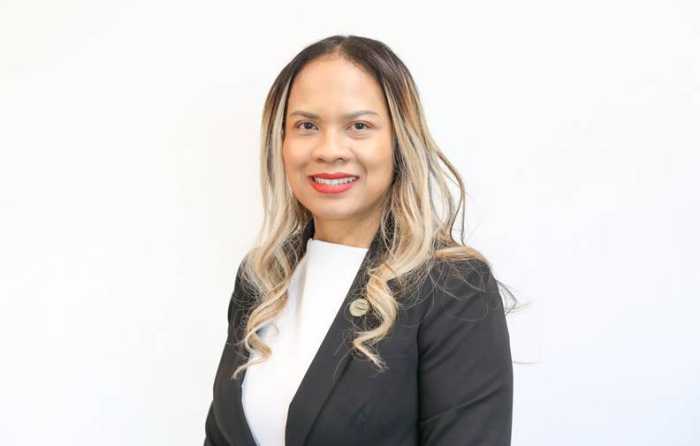
“When young people are supported in re-engaging with school and accessing employment opportunities, they are better positioned to make positive life choices and envision a future beyond violence,” Stand Up to Violence Assistant Program Director Jennifer Montalvo said.
“This work is strengthened through credible messengers, mentorship, consistent support and relationships that help young people stay engaged and motivated over time.”
Having joined the Stand Up to Violence program to try and make a difference for her own children and the broader community, Montalvo has led the program’s incorporation of anti-bullying, anger management and conflict mediation into its prevention efforts.
The Hospital-based Violent Interruption Programs (HVIP) at NYC Health + Hospitals operate on the principle that violence should be treated like a communicable disease. HVIP applies a three-pronged approach of interruption, prevention and community engagement to try and break the cycles of violent trauma and provide the support needed for lasting recovery to victims and their communities.
The HVIP hospitals, established at the Harlem, Jacobi, Kings County, Lincoln and Woodhull hospitals, combine to treat more than 3,500 patients a year for violent trauma. Approximately two-thirds of these patients receive HVIP interruption, prevention and community services.
Patients with violent trauma who were treated by the Stand Up to Violence team at Jacobi Hospital were found to be twice as likely to attend more than half of their scheduled follow-up visits and 59% less likely to return with a re-injury within three months of being discharged, according to a peer-reviewed study in 2023.
The study also found that the Bronx community served by the Stand Up to Violence program has experienced a 54% drop in gunshot wound incidents over the previous nine years.
Educational exposure like this tour, along with career pathways, is intended to help youths develop structure, confidence and a sense of direction. Additionally, employment provides them with practical skills and responsibility.
Addressing educational and employment gaps aids in the effort to optimize youth trajectory by combating community hopelessness, instability and disconnection.