After years of delays, the city presented a new plan Tuesday to move forward with repairing the sinking backyards at Villa Maria Homes — and this time, not every homeowner has to sign on before work can begin.
At a Tuesday meeting, representatives from the Housing of Preservation and Development (HPD) and nonprofit Neighborhood Restore unveiled a new repair plan to approximately 45 homeowners. Instead of requiring signatures from all 114 homeowners before construction could begin, the city will start with a 13-home pilot cluster where nearly all residents have already agreed to participate.
The change marks a significant shift for a project that has been stalled for years despite millions of dollars being allocated for repairs.
Built in 1990 as part of the city’s post-arson rebuilding of the South Bronx, Villa Maria Homes is a 114-home affordable development in Longwood. Behind its tree-lined streets and neatly maintained homes, residents have spent decades grappling with infrastructure problems the city says stem from poor initial construction.
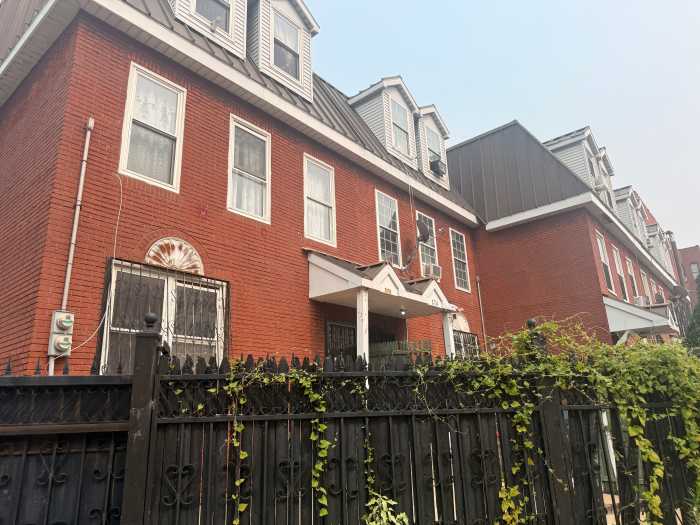
Over the years, the city repaired the development’s front yards, sidewalks and portions of the sewer system after residents experienced drainage problems and sinking walkways. But the long-promised backyard repairs never materialized.
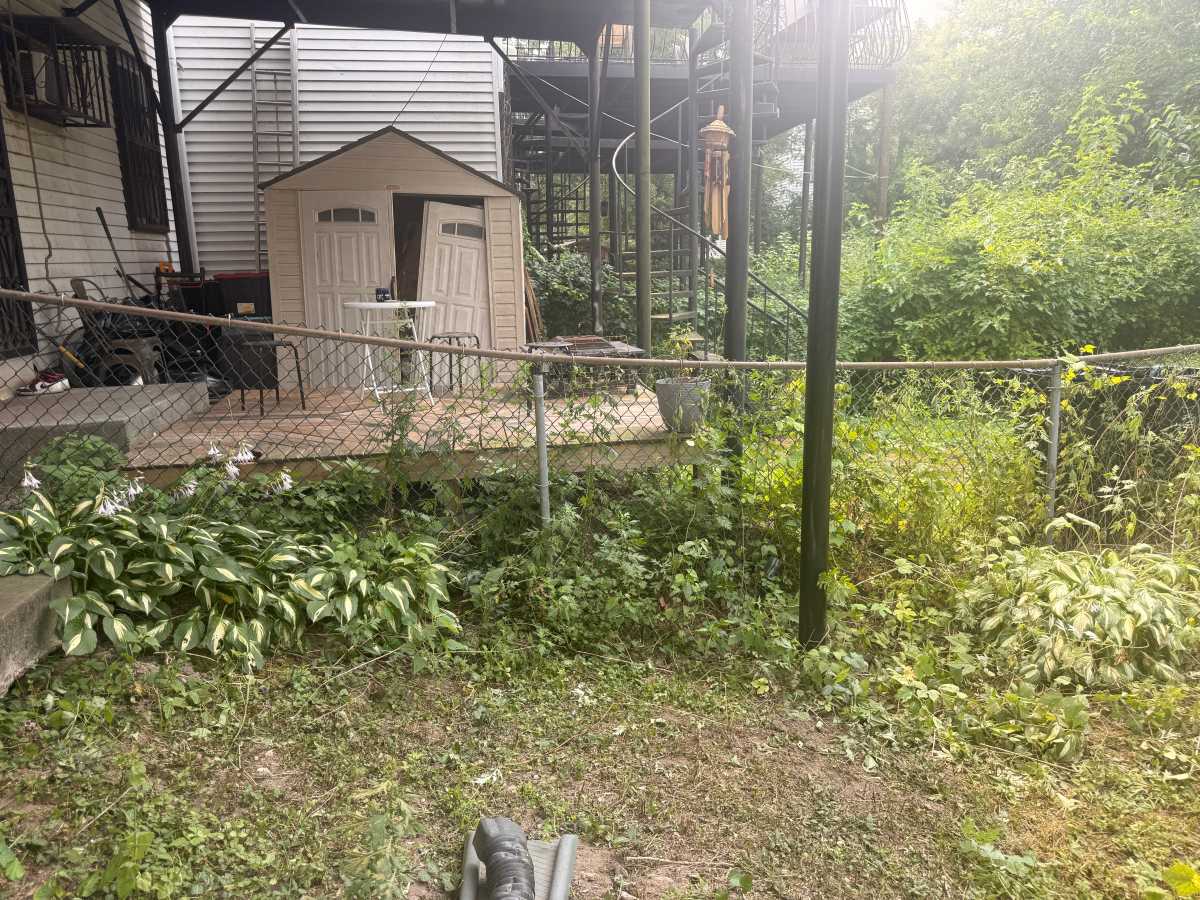
For years, homeowners have been waiting for the city to repair backyards where the ground has sunk unevenly —from several inches to more than a foot in some areas— leaving fences leaning, patios uneven and, in some cases, making portions of the yards unusable. Some residents have paid thousands of dollars out of pocket to stabilize decks, staircases and other structures while waiting for city intervention.
Villa Maria Homes HOA President Cliff Muniz said the project repeatedly lost momentum as project managers changed, meetings were canceled and communication from the city became inconsistent.
“We’d do walkthroughs, they’d tell us they were going to contact the homeowners, and then two months later they’d disappear,” Muniz said. “Then we’d get somebody new and have to start all over again.”
Previously, city officials said they needed consent from all 114 homeowners because the underground drainage system connects clusters of homes. If one homeowner denied access, repairs for neighboring properties could also be delayed.
Under the new approach, officials will instead begin construction on a 13-home cluster where every homeowner has already signed.
HPD Assistant Commissioner Stephen Erdmann said the pilot is intended to demonstrate that the repair process works and encourage additional homeowners to participate.
“That’s why now there’s been an adjustment in the strategy to do this pilot, so that some work can start again to try to create momentum and show everyone this is how it’s going to work,” Erdmann said.
Now, the city has more than $7 million available to begin construction, but HPD and Neighborhood Restore warned residents that additional funding will depend on the pilot’s progress.
Many homeowners have also added second-story decks, patios and concrete walkways over the years. Under the previous proposal, contractors would have removed many of those additions to reach the underground drainage pipes and restored the properties only to their original condition, which included a small balcony and spiral staircase. Homeowners would have been responsible for paying to rebuild any upgrades themselves.
Instead, contractors will now inspect each property individually and develop customized scopes of work, allowing repairs to be tailored to each backyard while limiting unnecessary demolition.
“Times were too hard for us to be spending money on a fault that was not our fault,” longtime resident Fayola Debone said. “Then we have all that financial responsibility.”
Debone said many homeowners were hesitant to sign because they had already invested thousands of dollars repairing or improving their properties after years of waiting for the city.
“We’ve been through a lot. People have lost their homes because of sewage. They sold their homes at a loss,” said Barbara DeRiggs, one of the original homeowners in the development. DeRiggs said that her spiral staircase collapsed from the sinking soil.
“A lot of people have left this community because of that, and a lot of people have homes sold to them that are not kosher.”
Beyond the infrastructure repairs, Neighborhood Restore said homeowners must rebuild their homeowners association before construction can begin. Participation has dwindled in recent years, leaving the HOA without a legally recognized board. Residents will need to hold elections and reestablish the association before the city can proceed. Council Member Justin Sanchez said his office is helping the community secure pro bono legal assistance to complete that process.
If all goes according to plan, officials said construction on the first 13-home cluster could be be completed next year.
“I’m hoping that this cluster will actually lead to some better outcomes,” said DeRiggs. “Because when you’re being told something over and over and over again, and nothing comes to fruition, then you kind of get discouraged. And we’ve had years of being discouraged.”
Reach Marina Samuel at msamuel@schnepsmedia.com. For more coverage, subscribe to our newsletter and follow us on Twitter, Facebook and Instagram!