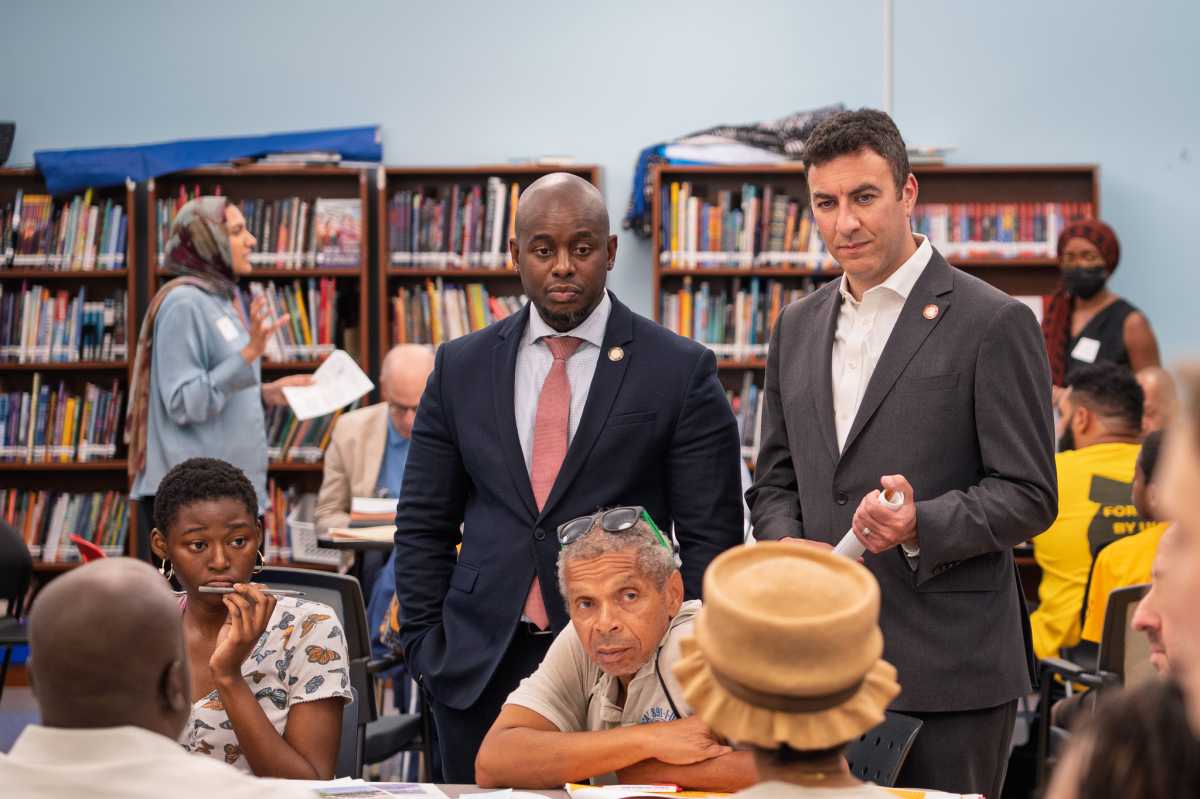
Residents are helping shape the future of White Plains Road as the city considers zoning changes that could bring more housing to the north Bronx.
The Department of City Planning is working with residents and community stakeholders to develop a neighborhood plan for the corridor under the 2 and 5 train lines, stretching from 241st Street in Wakefield to Adee Avenue in Allerton.
The plan comes as the city looks at how to add housing to an area that is currently largely zoned for low-density development, with much of the surrounding neighborhood made up of one- and two-family homes. Under the current zoning, new development is not required to include affordable housing.
But before the city puts forward a proposal, residents are being asked what they want to see along the corridor — and what they want to make sure doesn’t get lost as the neighborhood grows.
At a recent workshop co-hosted by Councilmembers Kevin Riley and Eric Dinowitz, city representatives asked residents what they would like to see in the neighborhood. Residents called for better lighting, infrastructure to protect against flooding, trade schools, “real” affordable homes, among other investments.
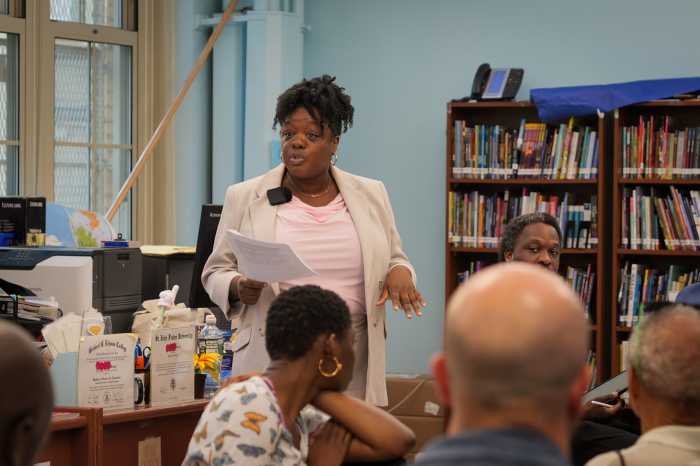
“If there were good-paying office jobs or jobs that are stable in the neighborhood, people could support the local economy. They could spend more time with their family,” said resident Luke Szabados in the workshop.
“If we’re building buildings, might as well throw some more offices in there so that people don’t have to commute so far.”
But some residents approached the potential changes with more caution.
Clinton Myke, chair of Community Board 12, said he has watched one- and two-family homes in the neighborhood be replaced by larger buildings — without what he sees as necessary infrastructure upgrades around them.
“That’s overdevelopment because they’re putting up the buildings, but they’re not rebuilding the infrastructure [such as] better sewers, drainage, and all that. I think that’s a problem because we have a lot of flooding in the neighborhood,” Myke said.
Myke is also thinking about what the changes could mean for his own family. His two adult children currently live with him, he said, in part because of the cost of housing.
“I think about them and if they can afford to live in this neighborhood when it’s time for them. Right now, I would say they can’t leave any sooner because of affordability factors,” Myke said.
One potential change would be to bring more affordable housing into the neighborhood through the city’s Mandatory Inclusionary Housing program. MIH requires developers to include a portion of affordable units when new residential development occurs in areas that are rezoned to require it.
But most of the White Plains Road area included in the city’s study is currently exempt from MIH, according to DCP.
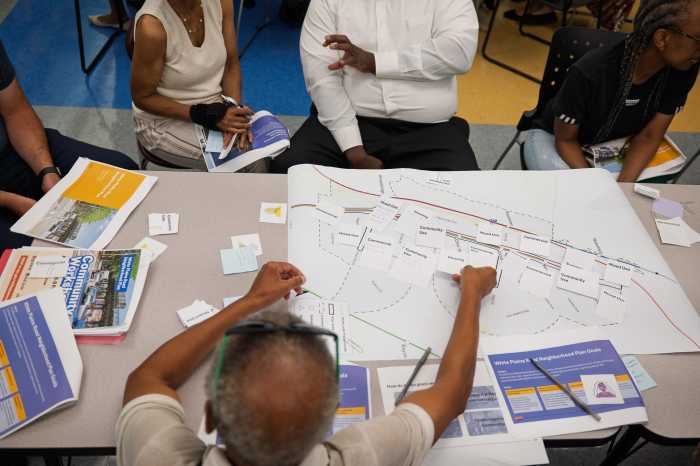
The conversations began last year, when DCP and Councilmember Kevin Riley presented the planning effort to the community. Since then, the city has held workshops to hear from residents about housing, businesses, transportation and other issues affecting the corridor.
The Mamdani administration announced in May that it was advancing the White Plains Road plan, along with neighborhood plans for Coney Island and McDonald Avenue in Brooklyn.
The details of what could ultimately change along White Plains Road have yet to be decided. But city officials say the existing zoning is limiting the corridor’s potential.
“It’s really been stymied by outdated zoning, and so we see that there’s clearly affordability issues in terms of housing,” DCP Director Sideya Sherman told the Bronx Times.
“There’s an opportunity for growth here because it’s so well connected to transit, and then there’s also an opportunity to address things that are really important to quality of life, support small businesses, create jobs, and address the commercial corridor.”
But Sherman said the city wants to avoid a scenario where new development forces out the residents already living in the neighborhood.
She pointed to East New York, which underwent a neighborhood rezoning about a decade ago, as an example of what she sees as the potential of “proactive planning” without displacement.
“That’s the work that we’re trying to do here in White Plains Road, is to really make sure by 2035 [that] this is a community that remains diverse, where people can stay, they can build their family, but there’s room to grow,” Sherman said.
For now, the city has not settled on what zoning changes it may recommend. DCP will continue hosting community engagement sessions and is expected to release a draft of the neighborhood plan in the coming months.
Reach Marina Samuel at msamuel@schnepsmedia.com. For more coverage, subscribe to our newsletter and follow us on Twitter, Facebook and Instagram!