Every day, Carlos Angel makes the long trip down from his seventh-floor apartment two blocks away from Yankee Stadium.
His dog can barely walk anymore, Angel said, so he carries him down seven flights of stairs to the lobby to use the bathroom. The routine is especially difficult because Angel recently underwent shoulder surgery himself. He also has a second dog that he takes outside several times a day.
Between walking his dogs, feeding stray neighborhood cats and running errands, Angel estimates he climbs the stairs at least six times daily.
“It’s like torture for me, going up the stairs, coming down is not bad, but coming up is just a nightmare every time,” he said.
“I feel so frustrated. I want to cry sometimes, but I’m just like, ‘Oh God, please help me here,’” he added.
That has been his reality since Feb. 13 —fittingly, Friday the 13th, he said— when a frozen pipe burst inside his building, flooding the garage and damaging the elevator’s electrical system.
Since then, the elevator in his rent-stabilized building has remained out of service. After months of complaints from tenants, the city eventually took over the repairs, but residents were told the work could still take several more months.
In the meantime, tenants in the nine-story building have been forced to either repeatedly climb flights of stairs or remain largely confined to their apartments. Some residents even use a specialized evacuation chair to carry heavy groceries up the stairs.
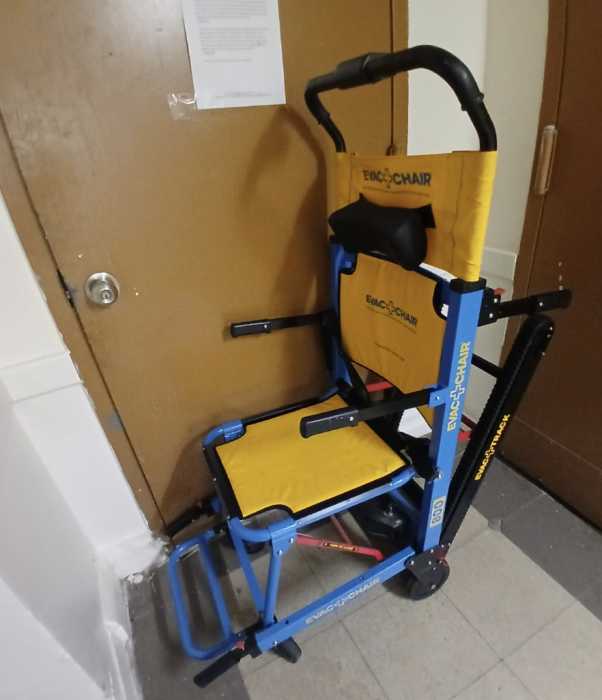
Angel’s building is one of many aging rent-stabilized properties across the Bronx where tenants say deteriorating conditions have become part of everyday life.
Using an umbrella to go to the bathroom
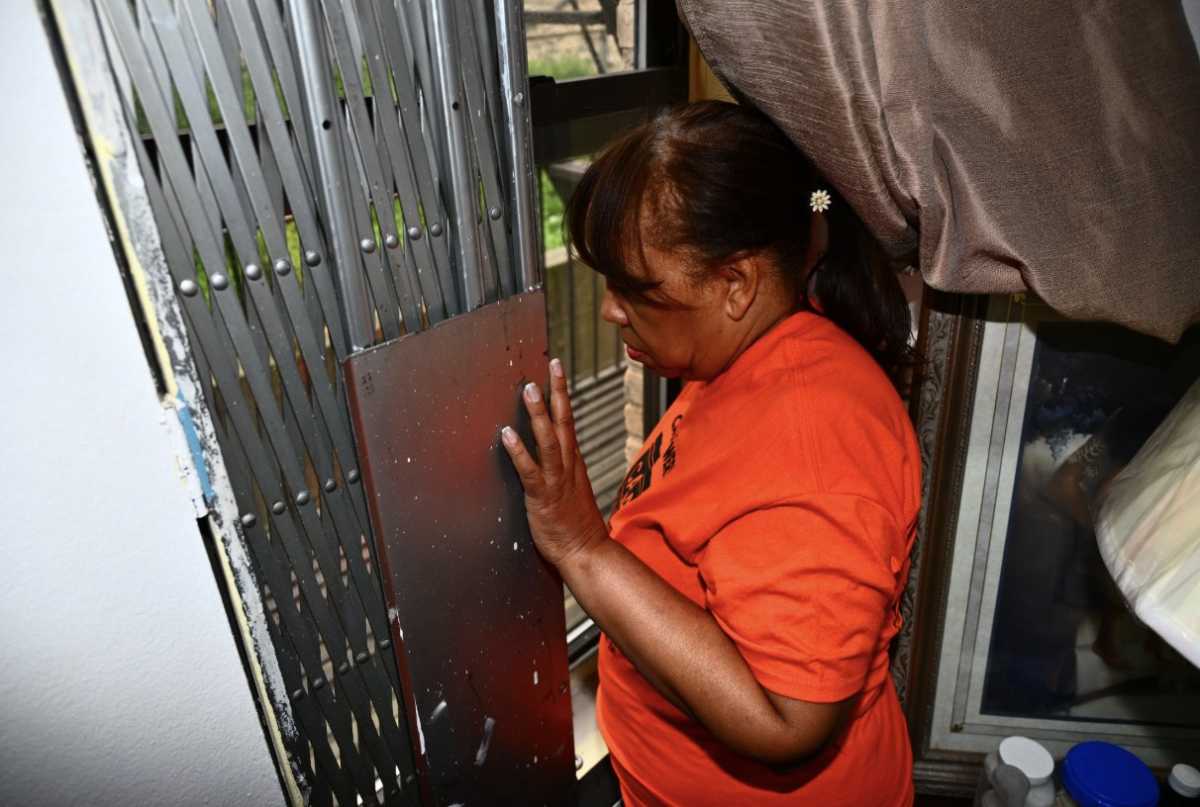
Mercedes Escoto still remembers holding an umbrella over her mother while helping her use the bathroom inside their apartment.
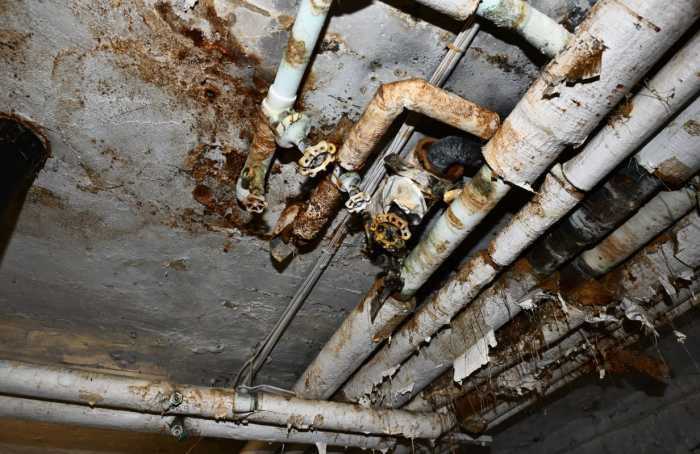
Water repeatedly leaked through the ceiling of their rent-stabilized unit in Highbridge, she said, forcing Escoto and her nearly bedridden mother to navigate buckets, mold, and collapsing plaster while her mother received around-the-clock care at home.
For years, Escoto said she repeatedly called her building’s super and landlord to address the leaks along with inconsistent heat and hot water, vermin infestations, broken windows and persistent security issues in the building where she had lived for nearly two decades. Instead, she said, repairs were often delayed or temporarily patched before problems resurfaced again.
After years of paying out of pocket for extermination treatments, apartment repairs and mounting medical expenses while working full-time as a social worker and caring for her mother, Escoto said the stress became overwhelming and in 2021, she suffered a stroke.
Now retired and living alone after her mother moved in with her brother and later died, Escoto worries that another winter without reliable hot water and heat will kill her.
Age, neglect catching up with Bronx housing stock
Across New York City, tenants living in rent-stabilized apartments say deteriorating conditions inside aging buildings are leaving residents trapped between unsafe living environments and an increasingly uncertain future.
The Bronx contains some of the city’s largest concentrations of aging rent-stabilized housing stock, with many buildings constructed before 1974. Property owners say decades-old infrastructure, rising operating costs and over regulation of rents have left many buildings struggling to stay maintained.
As costs climb and many buildings face growing financial strain, the future of the city’s rent-stabilized housing stock has become a growing source of tension between tenants, landlords and advocates.
Matt Engel, president of Langsam Property Services, who oversees around 10,000 rent-stabilized units —about 9,000 of them in the Bronx— said owning and operating rent-stabilized buildings has become increasingly more difficult than ever. Operating expenses, he noted, continue to outpace the rent increases approved by the Rent Guidelines Board each year, leaving property owners falling further behind financially over time, with many approaching or facing foreclosure.
In the Bronx, the average rent-stabilized apartment rented for $1,190 in 2024 —nearly $500 less than the citywide average— according to data analyzed by the Community Preservation Corporation.
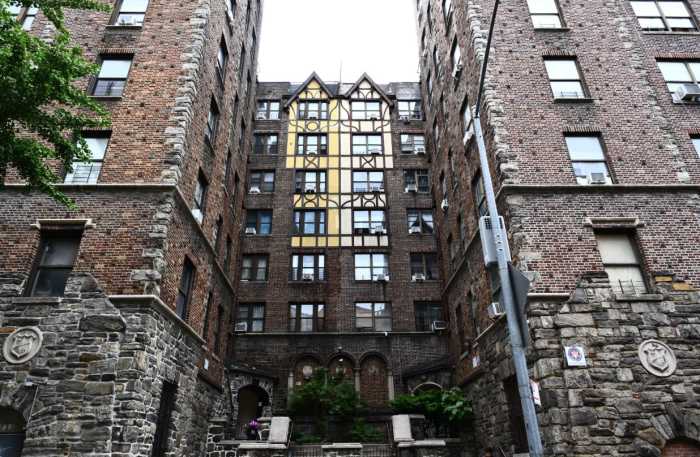
At the same time, data from the Rent Guidelines Board’s 2026 Income and Expense Study found the Bronx was the only borough where net operating income (NOI) —a measure comparing building revenue to operating costs— declined. While NOI for rent-stabilized buildings increased across the rest of the city, the Bronx saw a 0.1% decrease, underscoring the financial pressures facing many owners of the borough’s aging housing stock.
Engel estimates that around 20% of the buildings he manages are in foreclosure, in default, or attempting to renegotiate or restructure their existing mortgages.
“Every building that is rent regulated in the Bronx is either financially insolvent now or it will be in the next three to five years,” Engel said.
Landlords point to the 2019 rent laws as the most consequential blow to the value of rent-stabilized buildings, arguing that the measures restricted their ability to deregulate apartments and raise rents after tenants move out, limiting revenue they say is necessary to invest in building repairs and renovations.
Kenny Burgos, CEO of the New York Apartment Association, likened the laws to “state-supported redlining,” warning that banks’ reluctance to refinance rent-stabilized buildings could lead to widespread disinvestment reminiscent of the “Bronx is Burning” era, when some landlords set fires to collect insurance payouts.
“The 2019 rent laws made it so that banks are completely unwilling to invest in these buildings or provide a loan to improve these buildings,” Burgos said. “A state law has effectively closed off funding models to invest in the Bronx.”
Freeze the rent
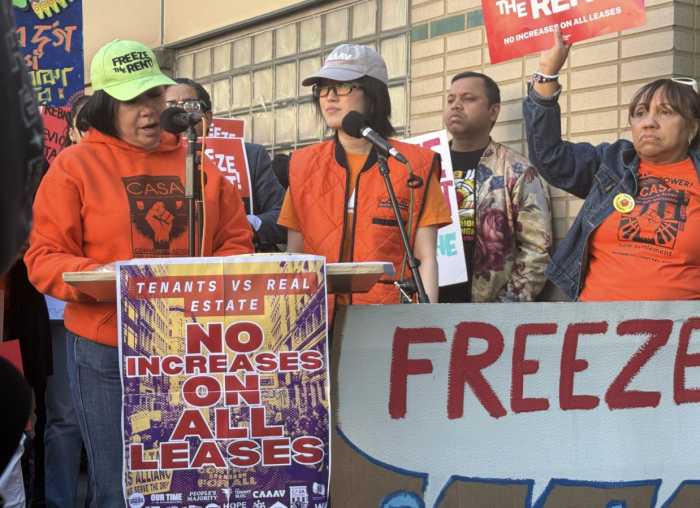
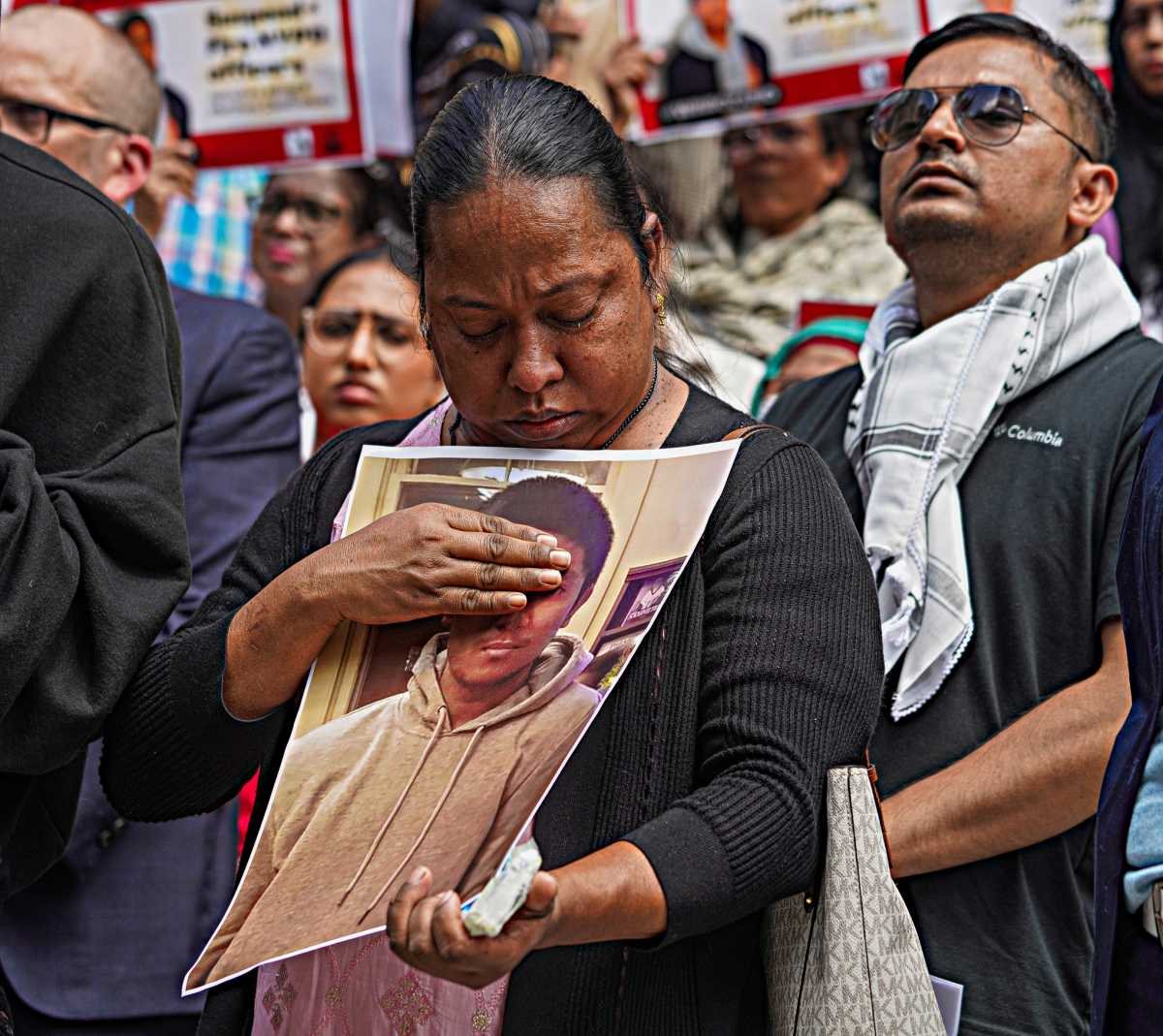
As many rent-stabilized New Yorkers struggle to afford their housing costs, tenant advocates are intensifying calls for a rent freeze ahead of the Rent Guidelines Board’s final vote this summer. The board preliminarily voted on May 7 to consider increases ranging from 0% to 2% for one-year leases and 0% to 4% for two-year leases.
Data from the Rent Guidelines Board shows Bronx residents are the most rent-burdened in the city, with 61% spending at least 30% of their income on rent — the highest share of any borough.
“You’re talking to people who cannot make ends meet,” said Darius Khalil Gordon, executive director of Met Council on Housing.
“These are people that are literally grinding to make sure that they have clothes on not only their children’s back but their backs as well, putting food in their mouths, these are essential things. We’re not talking about luxury. We’re asking for basic necessities that should be human rights.”
Landlords, however, argue that a rent freeze would worsen financial distress for already struggling rent-stabilized buildings and further destabilize the city’s housing stock.
But tenants like Escoto say rising rents are only part of the crisis. She and several of her neighbors have stopped paying rent because of what they describe as years of deferred maintenance in their building.
“We cannot go on paying rent, not getting the services that we deserve. Why? There’s something very wrong about that,” Escoto said teary-eyed.
“I decided that I’m not gonna move. I’m gonna keep fighting. I’m going to keep fighting, because I want the best home for my family and the people that live there,” she added. “We all deserve the best.”