Just a 10-minute ferry ride from City Island, Hart Island is home to the remains of more than one million New Yorkers. The 101-acre island in the Long Island Sound has served as the city’s public cemetery for the unclaimed, unidentified and poor for more than 150 years.
But after remaining largely inaccessible to the public for much of its history, the city is working to open Hart Island to more visitors — a plan that could cost roughly $130 million. As the NYC Parks department expands public tours and visitation, the agency is seeking funding for capital projects aimed at preserving the island’s historic structures and improving visitor access.
For much of its history, the island was largely inaccessible to the public. The city only recently began offering bimonthly guided tours through a lottery system, led by Urban Park Rangers who teach visitors about the island’s history. The city also provides family members and loved ones with opportunities to visit burial sites.
The Bronx Times joined NYC Parks officials on a recent press tour of the island’s southern end, where the department highlighted Hart Island’s history and its vision for improving public access.
That vision comes with significant challenges. The island fell into disrepair during New York City’s fiscal crisis, and many of its structures were later demolished. Records dating to before 1977 were also destroyed in a fire. Today, much of Hart Island remains barren, with aging structures, grave markers, benches and a small gazebo among the remnants of its past.
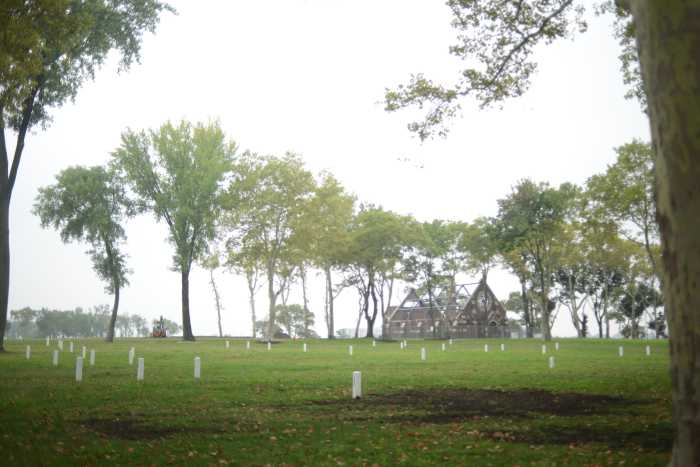
NYC Parks released its concept plan for Hart Island in 2025 following a series of public engagement sessions. The 20-year plan aims to expand public access and increase opportunities for visitors while preserving the island’s history and character.
The plan includes recommendations for a welcome center, new walkways, a maintenance and operations facility with bathrooms and measures to mitigate flooding.
“One of the big themes that we heard was the goal to preserve this peaceful, quiet and respectful feeling that you experience when you step on Hart Island,” said NYC Parks project planner Laura Melendez.
Public or active recreation was never considered as a potential future use for the island, Melendez said, because the cemetery and the experience of visiting burial sites remain the priority.
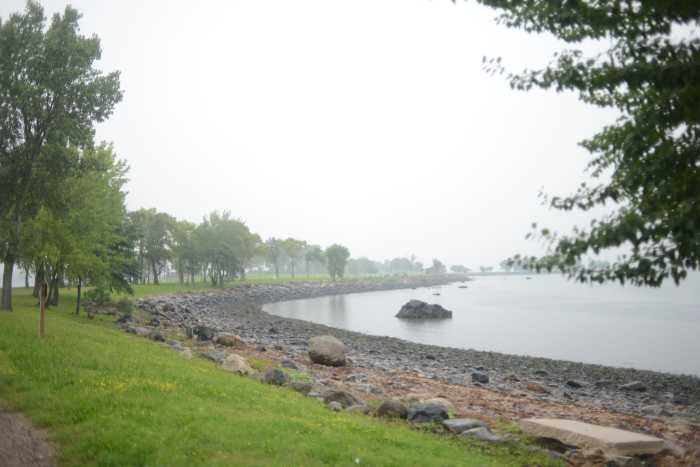
But the proposed projects come with a hefty price tag. The plan’s capital projects were estimated to cost about $130 million, according to NYC Parks.
For more than a year, NYC Parks has sought funding from the city and elected officials for some of the plan’s major projects, including the proposed welcome center and paved pathways. NYC Parks officials said they are also considering public-private partnerships to help fund the capital projects.
The need for investment comes as the city takes on a new role in managing an island whose history has long been tied to the city’s most vulnerable residents.
The island was purchased from the Hunter family in 1868 by the then-Department of Charities and Corrections. As New York City’s population rapidly grew, so did the need for public burials. The Department of Corrections eventually began using incarcerated people to bury the dead, a practice that continued until 2021, when management of Hart Island was transferred from the Department of Correction to Parks and the Human Resources Administration, who manages burial operations.
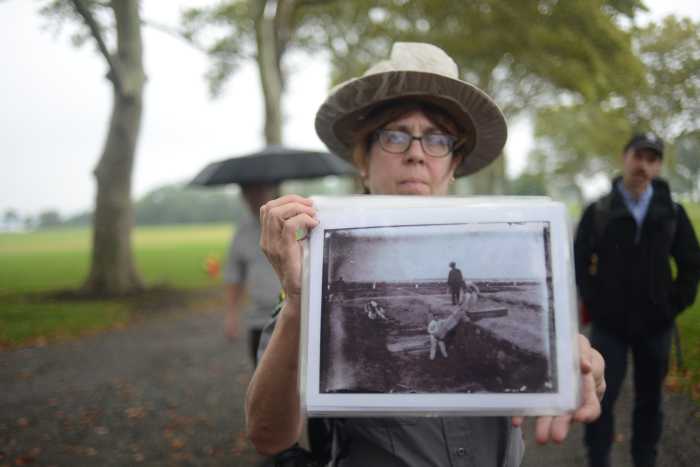
While Hart Island is best known as one of the largest public burial grounds in the United States, the island has served several purposes throughout its history.
Over the years, the island has housed workhouses, a quarantine station, and psychiatric institution. A rehabilitation facility operated by Phoenix House on the island held drug-free festivals and carnivals, bringing big musical acts such as the Velvet Underground and Janice Ian.
The island also intermittently served military purposes, once housing Nike missile launch sites during the Cold War designed to intercept incoming warheads and protect New York City from a potential aerial attack.
Hart’s Island is also believed to be the largest burial ground for people who died of AIDS in the United States. In 1983, the New York State Funeral Directors Association urged its members not to embalm people who had died of AIDS, amid widespread fear and stigma surrounding the disease, bringing many to Hart Island.
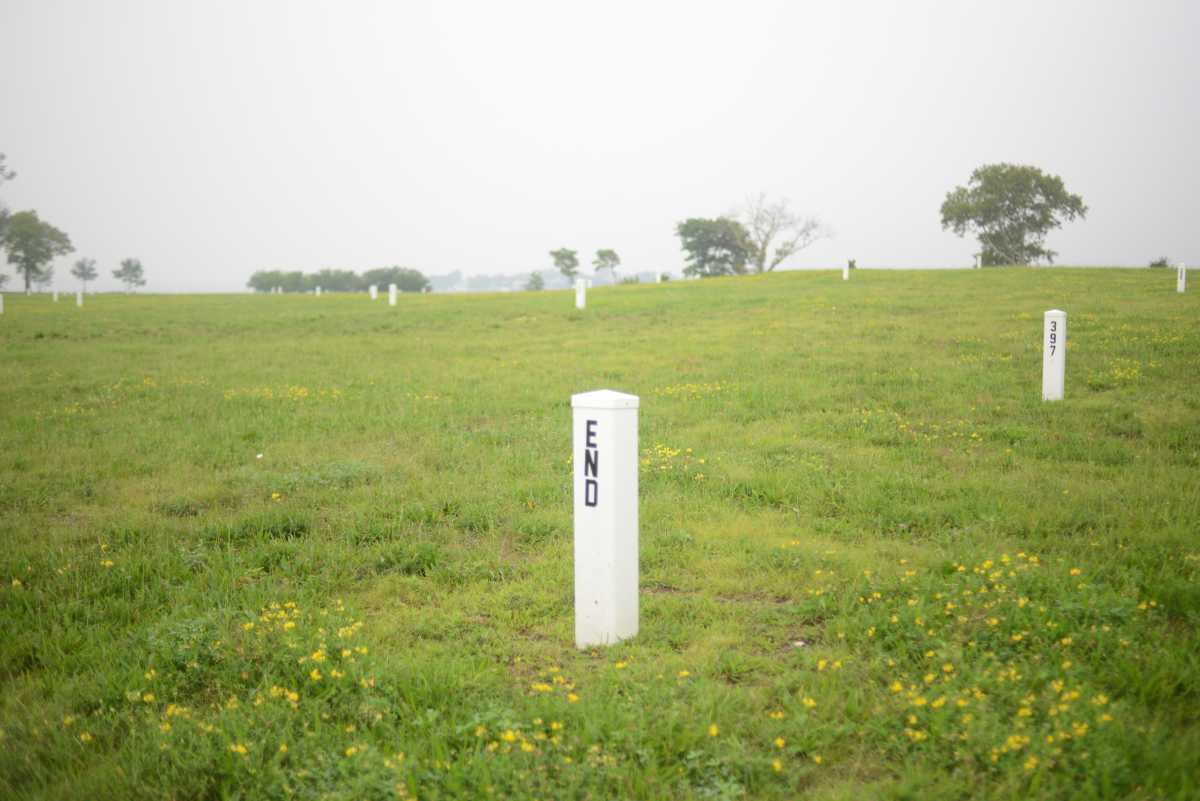
In a remote section at the southern tip of Hart Island lie 33 unidentified graves of people who died of AIDS, identified only by code markers.
The graves were dug about 14 feet deep, considerably deeper than the typical four- to five-foot Hart Island grave, reflecting the fear and misinformation surrounding AIDS at the height of the epidemic.
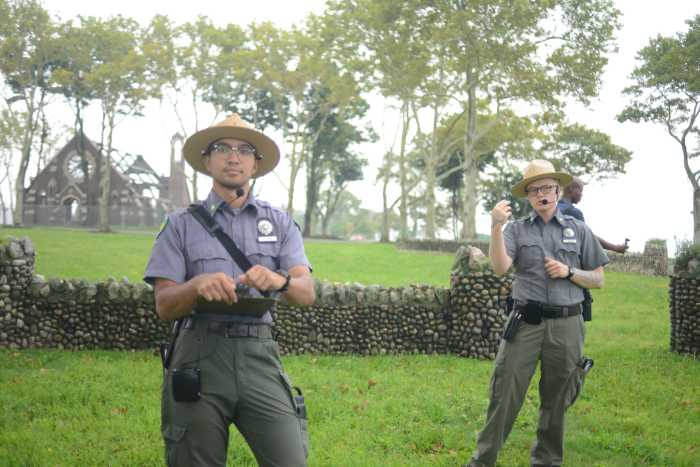
“These individuals were buried separately, not as a sign of respect, but because of fear, because of stigma and shame,” Urban Park Ranger Fi Whalen said.
“We don’t know the identity of this person, but I think this grave is a reminder that even if we don’t know about the circumstances of their death and who they are, we do know that they lived a full life. They can’t be erased,” Whalen said.
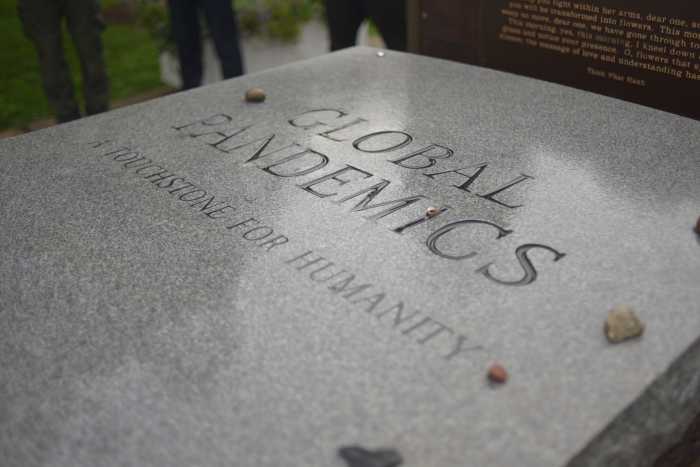
Decades later, during the COVID-19 pandemic, the city began burying people who died from the virus on Hart Island as the number of deaths overwhelmed funeral homes and morgues. By 2020, more than 2,000 people who died from COVID-19 had been laid to rest on the island, according to an analysis by The City Reporter.
Since the pandemic, the city has increased the burial capacity of each grave to 200 as the island runs out of space. Despite this grim figure and its history, the city’s capital projects intend to make the island a more humane place to live, adding recent structures like the gazebo and a headstone honoring victims of the pandemic.
Today, the island continues to serve as an active cemetery as NYC Parks works to open it to more visitors. The city has increased the number of people who can be buried in each grave as available space on the island becomes increasingly limited. At the same time, NYC Parks’ capital plan calls for new infrastructure intended to make the island more accessible and dignified for those who come to mourn and remember.
Reach Marina Samuel at msamuel@schnepsmedia.com. For more coverage, subscribe to our newsletter and follow us on Twitter, Facebook and Instagram!