New York City saw an estimated $2 billion in economic activity from this summer’s FIFA World Cup, Mayor Zohran Mamdani announced Oct. 1.
The tournament brought in $1.2 billion in direct visitor spending and $162 million in operational spending, according to an analysis by NYCEDC and Tourism Economics. The broader $2 billion estimate also includes indirect economic activity generated by that spending.
Foot traffic at sports bars across the city increased 16% compared with last year during the tournament. The spending also supported more than 12,000 jobs in hospitality, food service, retail and other industries.
Across the New York-New Jersey region, the World Cup generated an estimated $3.5 billion in economic activity, surpassing the $3.3 billion that was projected before the tournament. New York City accounted for 56% of the regional economic impact and 70% of direct visitor spending, according to the city.

“This summer, we proved that the people’s game can still belong to the people — to the deli owners, cab drivers and line cooks who welcomed visitors from around the globe to New York City and powered the World Cup,” Mamdani said.
“We didn’t want the benefits of this tournament to stop at the stadium gates. We worked to bring fans into our neighborhoods, onto our blocks and into our local bars, restaurants and watch parties. And the result was more than $2 billion flowing through our city’s economy — a win for working New Yorkers across all five boroughs.”
The Bronx also reaped the benefits of the World Cup, with a 6% combined increase in hotel occupancy in the Bronx and Staten Island hotel market during the tournament.
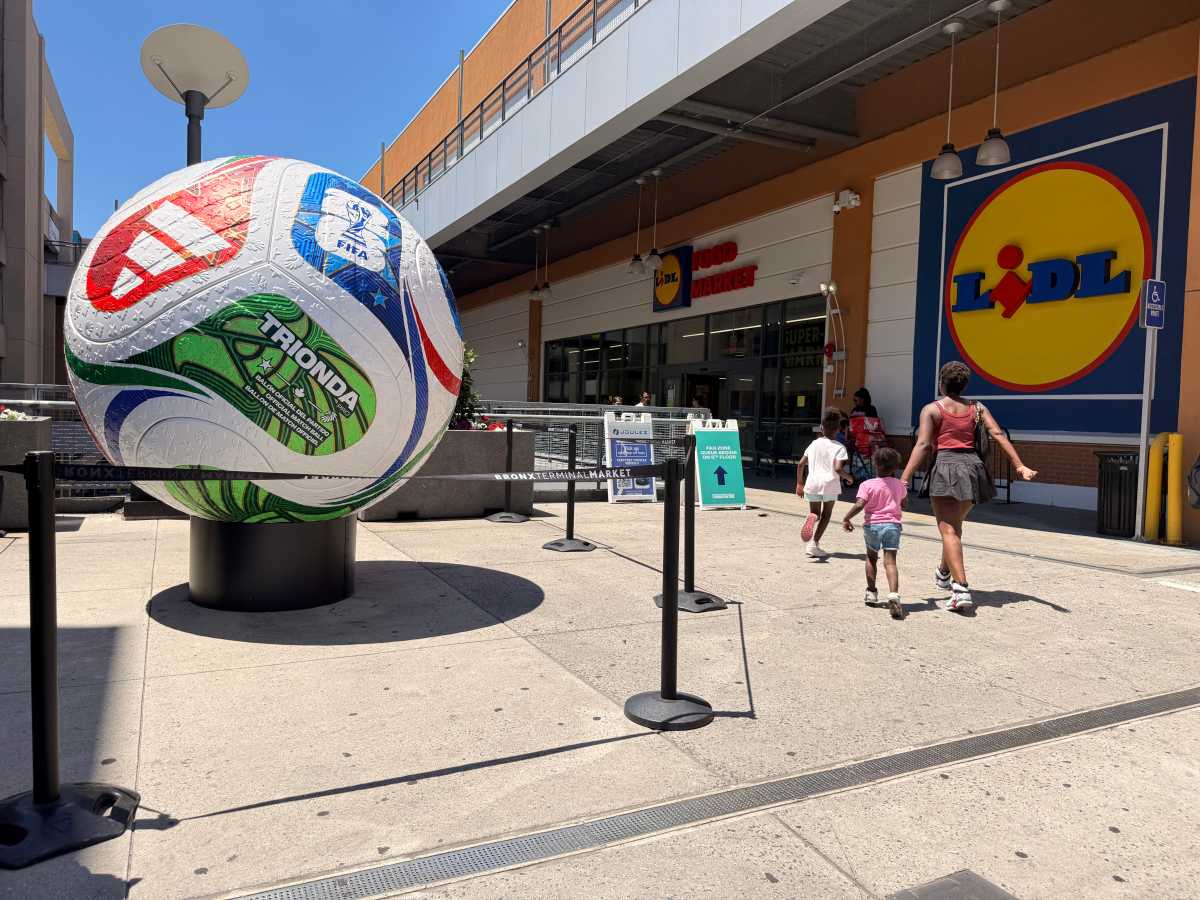
About 4,000 people attended the Bronx Fan Zone at Bronx Terminal Market on June 13 and 14, while the city held free watch parties at Lou Gehrig Plaza and Fordham Plaza.
Several Bronx cultural institutions also participated in the city’s cultural passport program, including the New York Botanical Garden, the Bronx Museum of the Arts, the Bronx Children’s Museum and the Bronx River Art Center.
The administration also launched several initiatives aimed at spreading the benefits of the tournament across the city, including securing 1,000 affordable tickets, hosting free watch parties and streaming matches on LinkNYC kiosks.
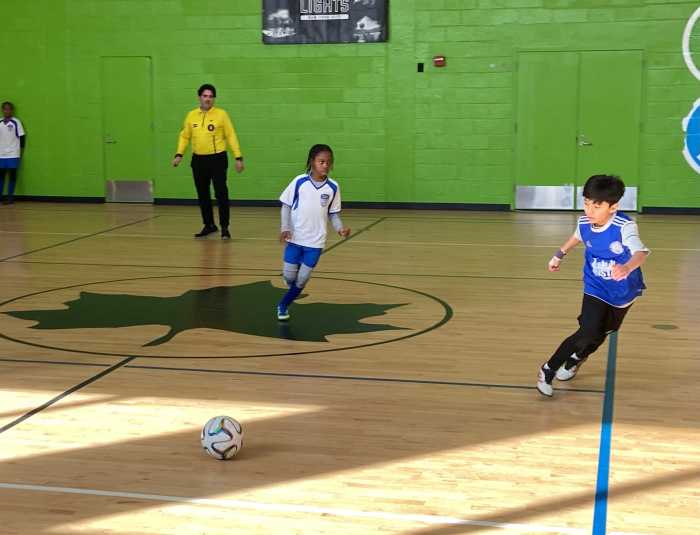
The city also hosted more than 100 free watch parties across the five boroughs and transformed more than 50 blocks into “Soccer Streets” during the 39-day tournament.
“These matches brought visitors, spending, and opportunity to neighborhoods across the five boroughs, supporting local businesses and the workers who power them, while showcasing New York City as the ideal place to do business,” said New York City Economic Development Corporation President and CEO Anthony Shorris.
“From restaurant servers and bartenders to hotel workers and small business owners, New Yorkers helped turn a global sporting event into a meaningful economic win for our city.”
Reach Marina Samuel at msamuel@schnepsmedia.com. For more coverage, subscribe to our newsletter and follow us on Twitter, Facebook and Instagram!