Hollywood loves to talk about diversity. Studios celebrate inclusion initiatives, awards shows applaud progress, and marketing campaigns proudly proclaim that every voice matters. Yet one of the largest and most overlooked communities in the world continues to fight for something many others take for granted: the opportunity to tell its own stories.
People with disabilities make up roughly 16% of the global population, but our presence in film remains strikingly absent. When we do appear on screen, our stories are too often filtered through stereotypes. We are portrayed as objects of pity, symbols of inspiration, tragic figures, or heroes whose sole purpose is to teach others a lesson.
Rarely are we shown as complete human beings living ordinary, complicated, joyful, ambitious, and creative lives. The problem isn’t simply representation. It is authorship.
Too often, films about disability are made without meaningful participation from people with disabilities. Decisions about our lives are made by writers, directors, producers, and executives who have never lived our experiences. While many have good intentions, authenticity cannot be manufactured. It comes from lived experience.
Imagine a film about the immigrant experience made without immigrants, or a film about women created without women in leadership roles. We would immediately recognize what was missing. The same principle applies to disability.
If the film industry genuinely wants authentic stories, it must welcome disabled creators not only as actors but as writers, directors, producers, editors, cinematographers, and decision-makers. We should not merely appear in front of the camera—we should help decide where the camera points.
This is about expanding excellence.
Some of the most innovative storytelling comes from people whose experiences challenge conventional ways of seeing the world. Filmmakers with disabilities often approach visual language, sound, pacing, accessibility and human connection differently because we experience the world differently.
Those perspectives enrich cinema.
Accessibility must also become a standard part of filmmaking rather than an afterthought. Too many talented artists are excluded because auditions are inflexible, or workplaces assume everyone functions the same way. These are not inevitable barriers; they are choices.
When producers budget for accessibility from the beginning, everyone benefits.
Audiences are increasingly demanding authentic storytelling. Films that reflect real communities resonate more deeply because they feel honest. Investing in disabled filmmakers is not an act of charity; it is an investment in creativity, originality, and untapped talent.
Film festivals, grantmakers, and studios also have an opportunity to lead. They can actively seek projects created by filmmakers with disabilities. Inclusion cannot stop at the red carpet. It must reach writers rooms, production offices, editing suites and boardrooms.
Perhaps the greatest loss caused by exclusion is invisible.
Every time a talented filmmaker with a disability decides the industry has no place for them, we lose stories that will never be told. We lose new perspectives, fresh artistic voices, and opportunities to understand one another more deeply.
Young people with disabilities deserve to see filmmakers, actors, journalists, editors and producers who look like them and share similar experiences. When young people see someone like themselves succeeding, they begin to believe that they belong there too.
As a disabled filmmaker, I know firsthand that disability does not diminish creativity. If anything, it sharpens it. Navigating barriers often demands resilience, innovation, and adaptability—the very qualities that define successful filmmaking.
The film industry has always claimed to reflect society but it continues leaving millions of voices outside the frame.
Disability inclusion should not be viewed as a trend, a diversity checkbox, or a public relations strategy. It should be recognized as a creative imperative. The question is no longer whether disabled voices belong in film.
The real question is whether the industry is finally ready to listen.
Because when every voice has the opportunity to tell its own story, cinema becomes more than entertainment. It becomes a truer reflection of who we are—and who we aspire to be.
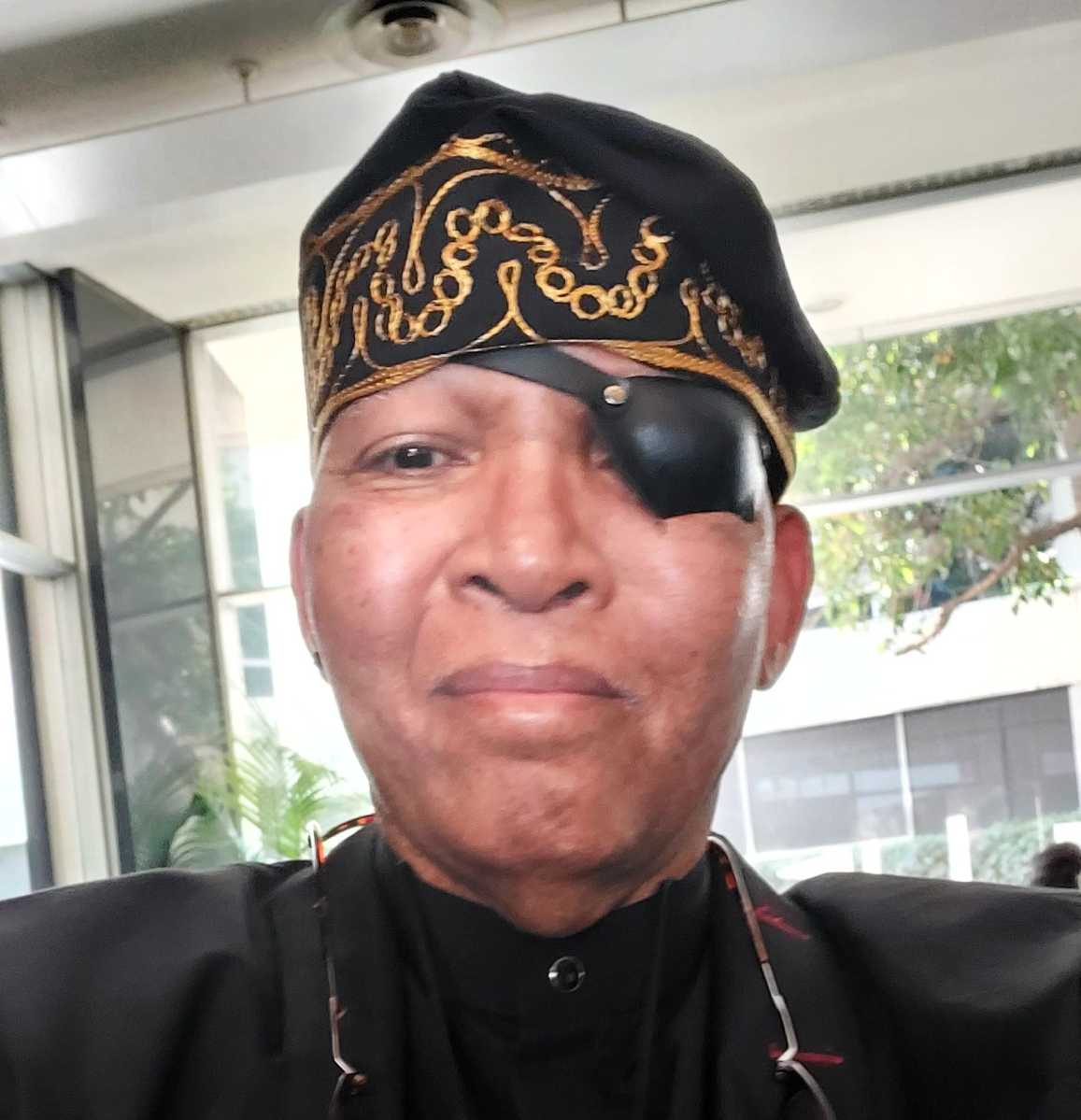
Emmitt H. Thrower is an award-winning disabled filmmaker, stroke survivor and founder of Wabi Sabi Productions, Inc. He is the creator of the Echo Docs™ documentary filmmaking methodology and advocates for disability inclusion and authentic representation in film.