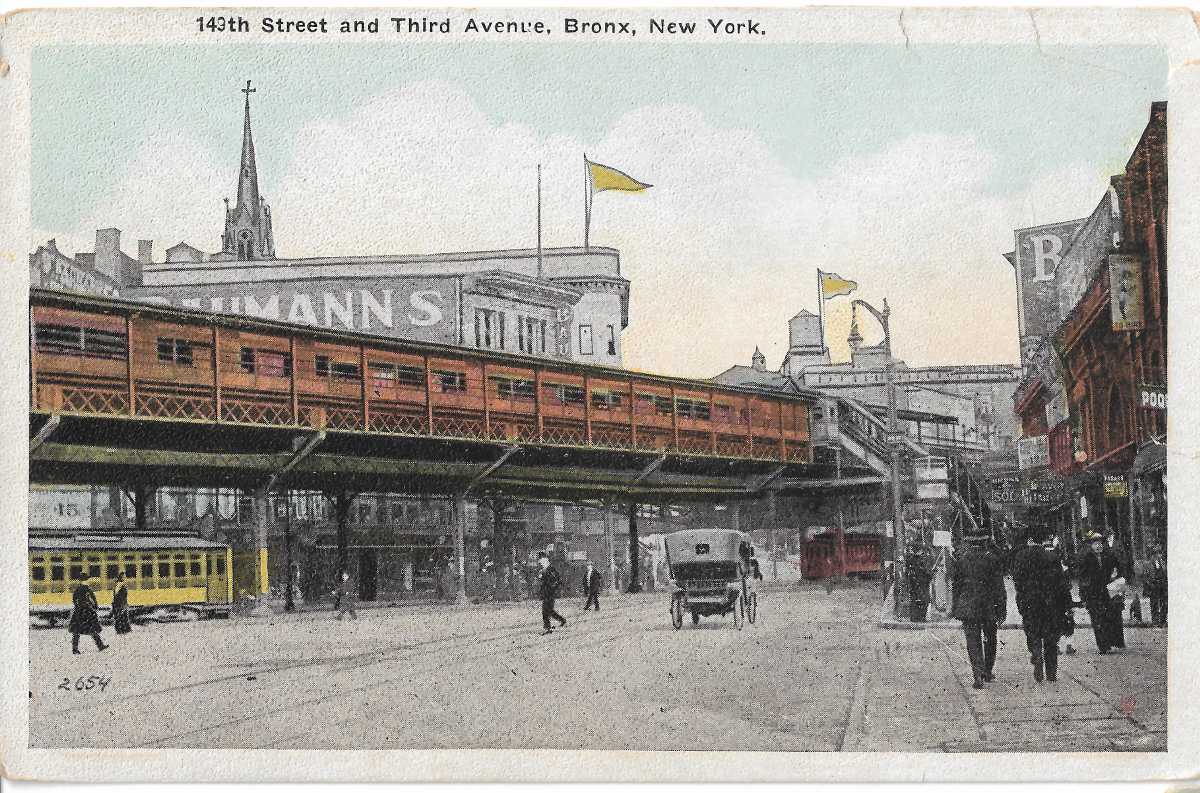
Before the Bronx became one of New York City’s five boroughs, it was native land, a river valley and a 17th Century colonial settlement shaped by European trade, Dutch power and the arrival of a man named Jonas Bronck.
As the United States approaches its 250th anniversary, the early history of the Bronx shows how New York’s colonial past extended far beyond Lower Manhattan. The borough’s name traces back to Bronck. His arrival, agriculture and trade helped shape the identity of the borough whose name still carries the memory of New York’s earliest European period, according to Roger McCormack, the director of education at the Bronx County Historical Society.
McCormack said Jonas Bronck’s background as a Swedish merchant and sea captain connected him to the Dutch colonial trading world, even though he was not Dutch himself. His settlement in present-day Mott Haven became one of the earliest European footholds in what would later become the Bronx.
“Bronck comes to the Bronx in 1639 as the city’s first European settler and mediates a treaty in 1642 in his farmhouse between the Dutch and the Lenape Natives due to the Kieft’s Wars that was a conflict fought between them, named after the Dutch Governor in the 1640s, Willem Kieft,” McCormack said.
Bronck died the following year in 1643 from disease or a raid, according to McCormack. The Bronx was named after Jonas Bronck because his settlement near present-day Mott Haven became known as Bronk’s Land, a name later evolved into “the Bronx.”
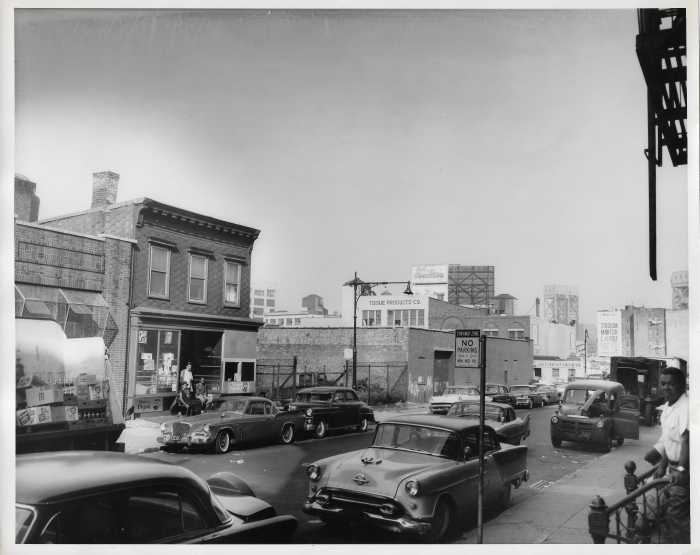
The Bronx River divides the east and west Bronx, whereas the east is very flat and the west is very hilly.
Long before Bronck arrived, Henry Hudson’s 1609 voyage helped bring Dutch attention to the region that would become New York. Commissioned by the Dutch East India Company to search for a northern route to Asia, Hudson instead sailed into New York Harbor and up the river that now carries his name.
McCormack said Hudson’s voyage matters to Bronx history because one of his shipmates, Robert Juet, left behind a written account that included early European descriptions of the area.
“Hudson’s ship sailed through New York Harbor, up what was then called the North River but now known as the Hudson River. His shipmate Robert Juet had a detailed diary that had written descriptions of the Bronx that included the marble hill where the Hudson River goes though,” McCormack said.
Although Henry Hudson sailed into New York Harbor, Jonas Bronck established what is now known as the Bronx.
“Bronck settled in what is now the Bronx because it hadn’t really been settled significantly as Lower Manhattan was. The Bronx soil was very good for agriculture. It was very close to the water for trade and fishing,” McCormack said.
According to McCormack, it is still unclear concerning Bronck’s relations to the Natives, whether he had conflict with them or if they were displaced by him.
“He must’ve had a good relationship with the Natives to mediate that treaty. He certainly wasn’t one of these ruthless Dutch governors,” McCormack said.
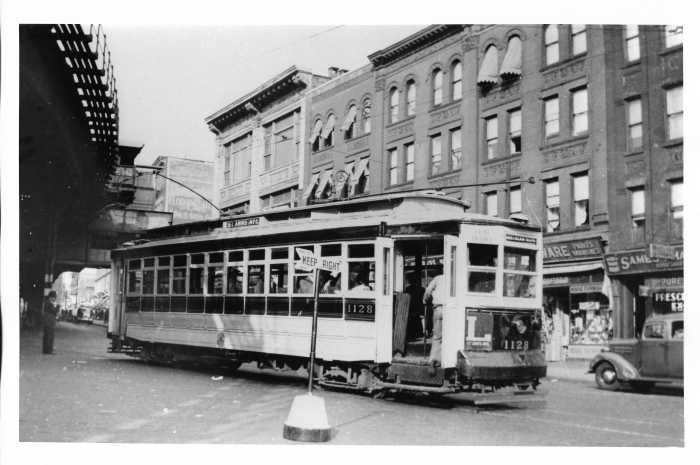
Jonas Bronck acquired a 600-acre farm which was very large for that time when he first arrived in present day Mott Haven.
“The Bronx is divided. Fordham is in the middle of the borough. The English area was Pelham Manor and Throggs Neck. Harlem and Yonkers were heavily Dutch. The Bronx is cut in between that shifting tide in the 17th Century,” McCormack said.
McCormack describes the transition of power to English control in 1664 as a bloodless victory. The Dutch didn’t have that many weapons to defend themselves and the English had been colonizing for a long period already.
“1664 is when the English sail into New York Harbor and threaten to besiege the New Amsterdam leader Peter Stuyvesant who acquiesces. This is when the English take over New Amsterdam and turn it into New York, which includes the Bronx,” McCormack said.
The eastern Bronx had the most significant English settlement. Nonetheless, after the English took over, there was still a heavy Dutch presence in the borough.
Concerning surviving Native American names, McCormack describes Mosholu as a Native term for “smooth stones”.
There were additional European settlers in the Bronx that followed Bronck according to McCormack, such as Jan Archer who was Dutch and had his estate in Fordham that was called Rose Hill. This is where the Rose Hill campus of Fordham University comes from.
“I would say Bronck and Archer are the two preeminent Scandinavian and Dutch settlers in the 17th Century Bronx. But you also had the Philipse family of the English in Yonkers who descended from prominent loyalists during the American Revolution,” McCormack said.
Concerning what readers should remember about the Dutch influence on the Bronx, McCormack says, “it’s the capitalistic thinking and the ideas of religious tolerance or pragmatism of the Dutch.”
More than three centuries later, the Bronx colonial beginnings remain visible in its name, geography and layered history.
According to the NYC Department of Records and Information Services and NYC Landmarks Preservation Commission’s Archaeological Repository, the Bronx became one of New York City’s five boroughs on Jan. 1, 1898, when Manhattan, Brooklyn, Queens, Richmond and the Bronx were consolidated into the modern City of Greater New York. Before that, much of the Bronx had been part of Westchester County with western areas such as Kingsbridge, West Farms and Morrisania annexed to New York City in 1874 and much of the eastern Bronx added in 1895.
According to these records, although the Bronx became a borough in 1898, it remained part of New York County until Jan. 1, 1914, when Bronx County was officially created.
LaMont Jackson is an intern at the Bronx Times. He studies journalism at Hunter College. He can be reached at Ljackson@schnepsmedia.com. For more coverage, subscribe to our newsletter and follow us on Twitter, Facebook and Instagram!