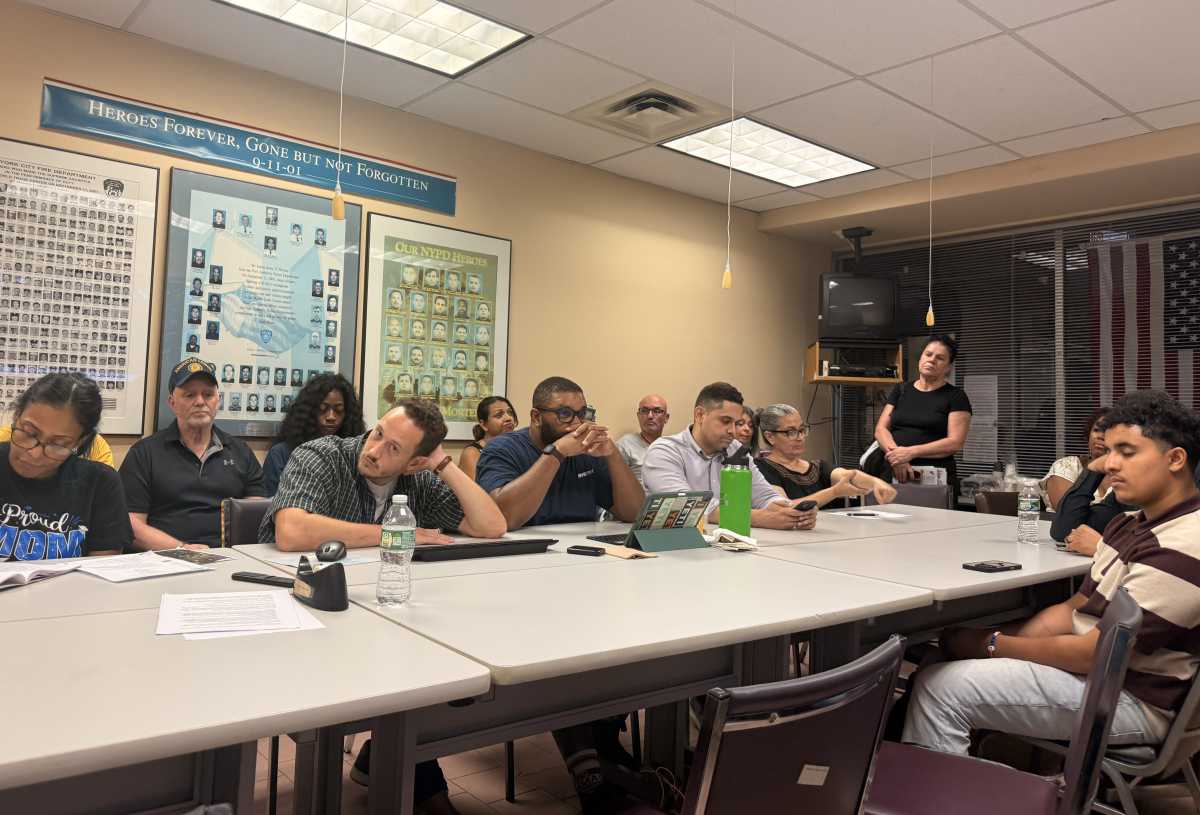
Members of the Van Nest community clashed with their local community board Thursday over its support for a bill that would designate an area of Little Yemen as a Yemeni cultural district.
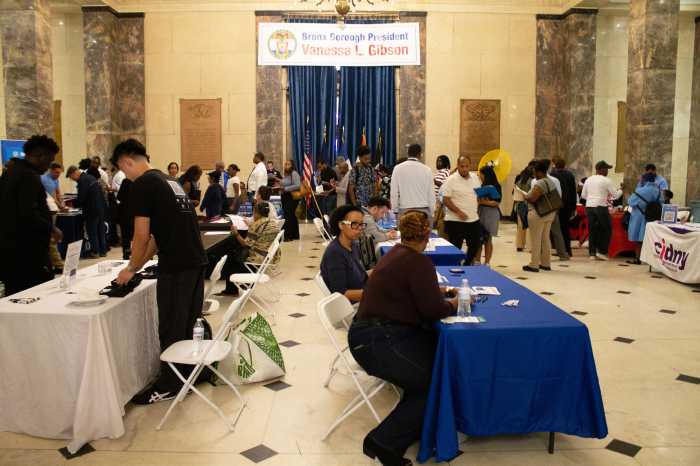
Bronx Community Board 11, which represents Allerton, Indian Village, Morris Park, Pelham Gardens, Pelham Parkway and Van Nest, was considering a letter of support for the designation when members of the Van Nest Neighborhood Alliance and other residents voiced their opposition.
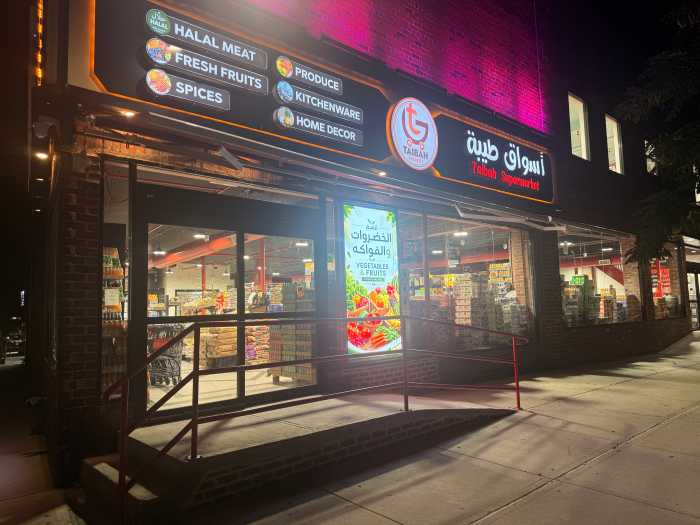
The proposed district within what is commonly known as Little Yemen, encompasses an area of Van Nest. The district would be bounded by White Plains Road on the west, Bronxdale Avenue on the East and North and Van Nest Avenue on the south, where there is a concentration of Yemeni-owned businesses, including restaurants, coffee shops and clothing stores.
While the meeting began, tensions rose as some residents passionately criticized the proposed designation, at times pointing toward five Yemeni-American attendees sitting in the corner of the room. The community board tabled the discussion for a future meeting due to the disagreements.
The legislation, sponsored by Assemblymember John Zaccaro and supported by New York State Senator Nathalia Fernandez, has passed both the state Senate and Assembly and is awaiting further action from the governor. The bill would authorize the New York State Council on the Arts to designate Little Yemen as a cultural district, potentially making cultural institutions within the area eligible for grants, technical assistance and other state resources.
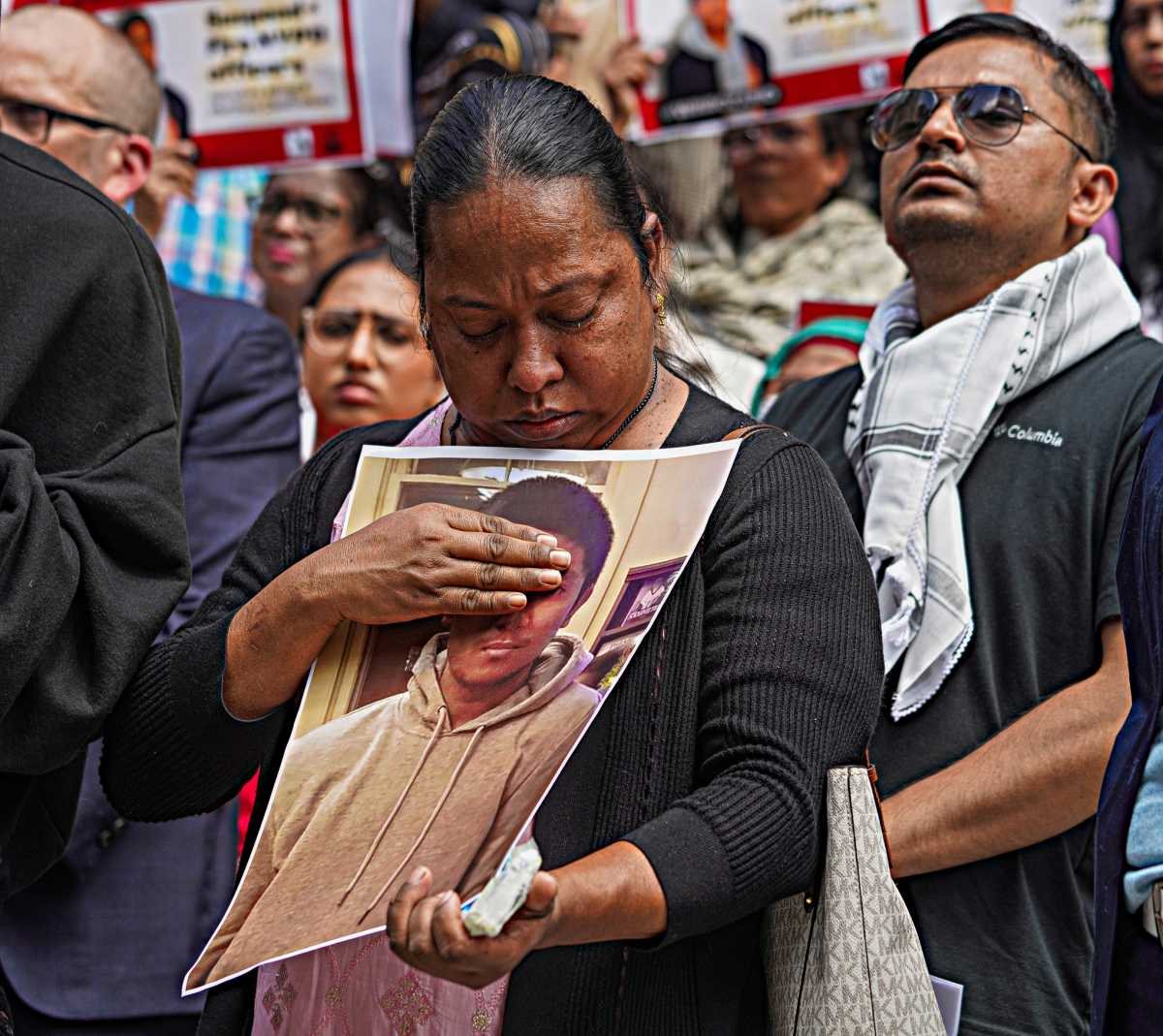
While the community board’s letter of support would be advisory, opponents used the Sept. 3 meeting to air frustrations over what they said was a lack of engagement with neighborhood stakeholders during the legislative process.
Sharlene Jackson Mendez, vice president of the Van Nest Neighborhood Alliance, said the organization first learned about the proposed cultural district in March, after the legislation had already been introduced.
Mendez said Zaccaro had briefly mentioned the proposal at a Van Nest Neighborhood Alliance meeting, but residents were not invited to participate in a broader discussion.
“We’ve been trying to get someone to say, ‘Hey, you can’t do this and change the identity of an entire 134-year community, and they have no say in it. We have not been invited to the table ever, and that’s wrong,” Mendez said.
The Van Nest Alliance, a volunteer neighborhood organization founded in 2010, has historically focused on quality-of-life issues in Van Nest. Mendez said the dispute reflects a broader concern that decisions affecting the neighborhood are being made without meaningful input from residents and neighborhood organizations.
The Alliance also opposed the 2021 renaming of a section of White Plains Road as Ibrahim Al-Hamdi Way, honoring the former Yemeni president who was assassinated in 1977. Mendez said the organization viewed that process as another example of residents’ concerns not being considered.
The organization, and other community members, questioned whether the Yemeni-American community has made sufficient cultural contributions to Van Nest to warrant the designation, an argument included in a petition circulated by the Alliance.
Mendez said cultural contributions should not be measured solely by the economic impact of Yemeni-owned businesses.
“There is no way you can compare their contributions to [El Barrio],” Mendez said. “They don’t get that because they are not aware of our history, and our politicians don’t show leadership.”
“We believe that this designation is misleading, lacking in inclusivity, and disrespectful of those individuals that built and maintained Van Nest,” said Van Nest Neighborhood Alliance secretary Marion Manfredi. “Fairness also matters in a diverse community.”
Former Bronx Community Board 11 chair Yahay Obeid defended the designation at Thursday’s meeting, saying it would highlight not only the Yemeni community but Van Nest and the Bronx as a whole.
“From the restaurants to the grocery stores to the dessert stores, Little Yemen has become very desirable for people to move here to shop. It’s really become a tourist destination,” Obeid said.
The disagreement comes as the Yemeni-American community has become increasingly visible in Van Nest.
Little Yemen has appeared on Google Maps for years and was also recognized on Mayor Zohran Mamdani’s map of New York City’s ethnic enclaves. The Yemeni-American community in the Van Nest area has grown in recent years as the city’s overall Yemeni-American population has increased.
Many storefronts in the neighborhood were vacant before Yemeni business owners moved into the area, opening businesses and helping draw attention to the neighborhood.
A Yemeni business owner in the neighborhood said his storefront was worth $500,000 when he purchased it and is now worth $1 million. He attributed the increase in value to the neighborhood’s revitalization.
The city’s Yemeni-American population reached nearly 14,000 by 2021, according to city figures. While neighborhood-level data on the Yemeni population is unavailable, the Mayor’s Office has identified Little Yemen as the only neighborhood in the Bronx with an Arab population exceeding 1,000.
For some members of the Yemeni-American community, however, the opposition expressed at Thursday’s meeting felt personal.
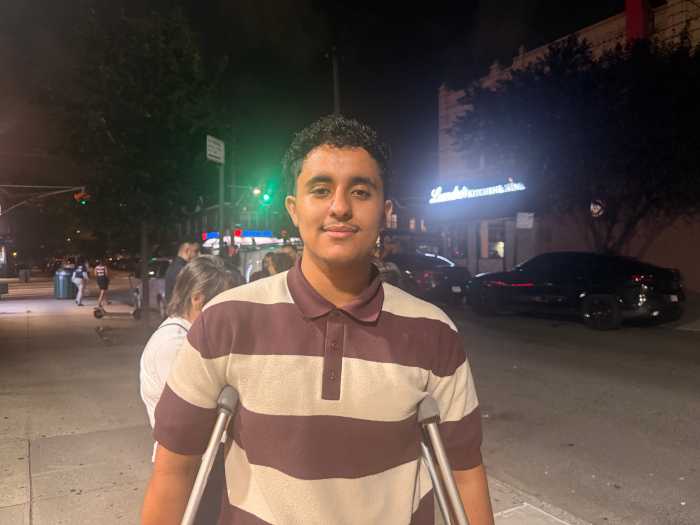
Sam Ghaleb, a 17-year-old Yemeni-American who moved to the neighborhood five years ago, attended his first community board meeting Sept. 3 where he said he was shocked by some of the comments made by opponents of the designation.
“I was very disappointed,” Ghaleb said. “They were directly speaking to me. They’re not speaking of the community, but towards me, saying ‘You Yemenis should not be here.’ I saw that they kept pointing at us and pointing the cameras toward us, just like we’re the enemy or something.”
“I thought they kept their Islamophobia back in 2001 when 9/11 happened, but now I really need to walk and think,” he said. “I need to think of my surroundings because I realized that there is a lot of hate.”
Mendez rejected the characterization of the Alliance’s opposition as racism.
“I will not tolerate anyone trying to reduce our concerns to racism,” she said.
Zaccaro defended the proposed designation in a statement to the Bronx Times following Thursday’s meeting.
“Unfortunately, what we witnessed last night was a small group of individuals mischaracterizing what this Cultural District actually does, with some of the rhetoric crossing the line into intolerance,” Zaccaro said.
“Let me be clear…The Little Yemen Cultural District does not erase the history of our neighborhood; rather, it amplifies it. It stands as a testament to the strength and resilience of the Yemeni-American community, inviting all to appreciate the richness they bring to our borough.”
Reach Marina Samuel at msamuel@schnepsmedia.com. For more coverage, subscribe to our newsletter and follow us on Twitter, Facebook and Instagram!