For young people in the Bronx, fashion can be more than what they wear. It can help them discover who they are, build confidence and learn how their creativity can translate into a future career.
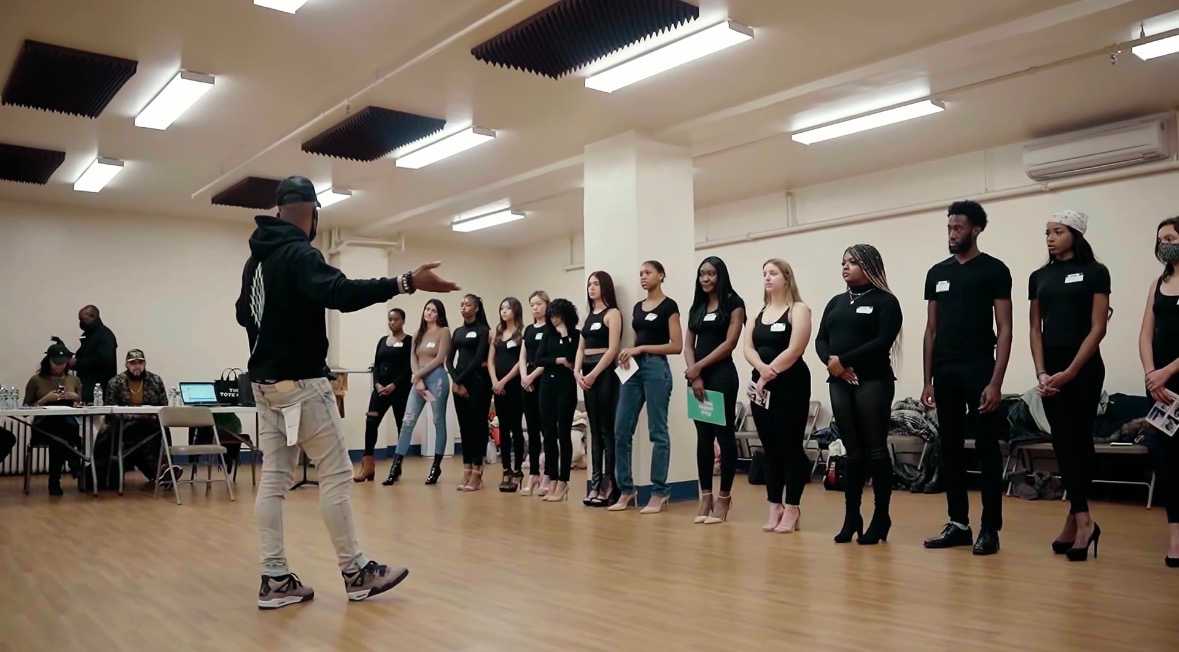
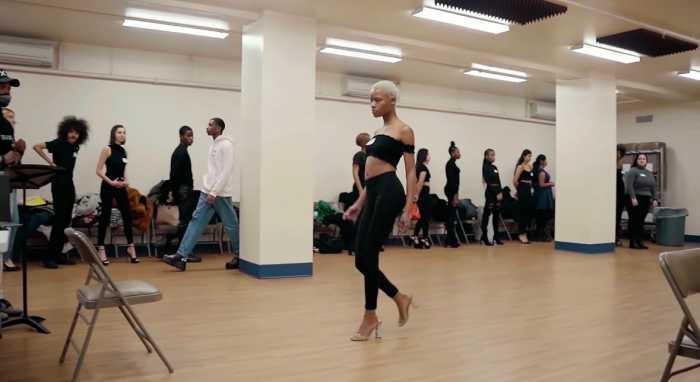
That philosophy is at the center of Fashion Journey, a 15-week youth program led by Ray Lyles, chairman and CEO of Rose Noire Productions. Through fashion design, modeling, production, marketing and entrepreneurship, the program introduces students to the many roles behind the runway and lets them create and showcase their own work.
Lyles, 43, who grew up in Mount Vernon, said his interest in fashion began while working as a manager at a clothing store. Watching customers try on different pieces, he noticed clothing could immediately change how someone carried themselves.
“What stood out to me was how a single garment could completely shift someone’s confidence, posture, and energy,” Lyles said.
That observation sparked a deeper interest in the psychology behind personal style and eventually became part of the philosophy he brings to Fashion Journey.
For Lyles, fashion is not simply about producing models or designers. He wants students to understand the network of people required to bring a creative vision to life.
“Without the kids, makeup artists, I don’t have a show,” Lyles said, adding that videographers, producers, designers, and creative directors all contribute to the final production. “There is no hierarchy. It’s about having one collective idea and showcasing it to the world.”
Throughout the 15-week program, students make clothes, put them online, market their work, and learn what their peers want to see. Students also critique their peers’ designs and decide which one is the best to have in a fashion show.
The students present their work at the end of the program to their families.
For Lyles, that final showcase represents something larger than a runway.
“It’s not just about the kid, but it’s almost about the community,” he said. Families can watch students’ artwork come to life and see the results of weeks of creative work.
The program also gives students something they may not always experience in school: control over how they present and identify themselves.
“A lot of these outfits are forced, but we’re giving them their power back and creating their own identity,” Lyles said. His role, he added, is to give students creative space while helping guide them through the process.
That freedom can reach beyond fashion.
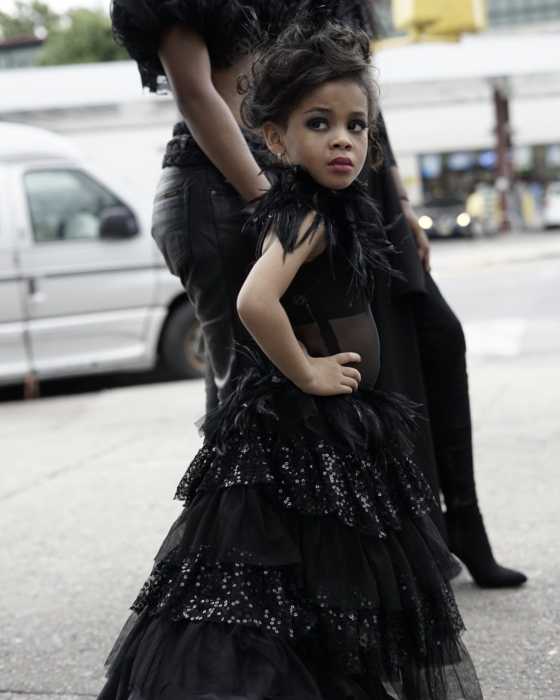
Thirteen-year-old runway and fashion model Ja’lee Rosemarie-Surpris said modeling has helped her become more confident both on and off the runway.
“When I’m on stage, I’m the 13-year-old. I’m always having fun, but then once I get on stage and start modeling, whether it’s a dress, two-piece outfit, or anything I’m wearing, I’m wearing that outfit to show everybody who I am and what I do,” Rosemarie-Surpris said.
She began modeling at age 3. At first, she remembers feeling both excited and nervous, but encouragement from her mother and others around her helped her continue.
“Modeling has pushed me out of my comfort zone a little bit,” Rosemarie-Surpris said. “Once I got on stage and started modeling, I really wanted to do this, and I just kept on going, and now I’m here.”
Over the years, the runway has become a place where Rosemarie-Surpris feels comfortable being visible.
“Modeling has shown me I’m comfortable being seen and taking up space,” she said.
She has also learned that lessons from modeling —including professionalism, confidence and posture— do not disappear once she steps off the runway.
“You always have to be true to who you are,” Rosemarie-Surpris said.
Her mother, Rose Rosemarie, has watched that confidence become especially important as her daughter dealt with bullying at school.
“She’s been bullied for the past three years in school,” Rosemarie said. Her daughter recently graduated from middle school and is preparing to begin high school. Participating in fashion shows, she said, has taught her daughter not to let others diminish her confidence.
Rosemarie first met Lyles when her daughter was around 4-and-a-half years old and participated in what she described as her first “real adult show.”
Years later, she sees Fashion Journey as an environment built around both discipline and community.
“It’s like family,” Rosemarie said, describing parents waiting outside rehearsals, bringing food for the young participants and allowing instructors to work with the models independently. “This is a whole different environment that makes you comfortable, and it shows you what you need to learn and take with you for the rest of your shows.”
For Rosemarie-Surpris, that experience has also inspired her to encourage other aspiring models. She said she enjoys answering questions from peers —whether younger or older— who are interested in her experiences or may feel discouraged about pursuing modeling.
She finds inspiration in models such as Kendall Jenner and Bella Hadid, but some of her earliest lessons came from home, where she practiced walking in her mother’s heels.
Her advice for developing personal style is similarly rooted in individuality.
“Just be yourself,” Rosemarie-Surpris said.
Lyles wants students to carry that message with them, whether or not they ultimately pursue modeling.
Fashion Journey operates as a workforce development program, exposing young people to opportunities in areas including film, production, design and entrepreneurship. The organization also currently works with participants through New York City’s Summer Youth Employment Program.
“It’s not just centered around art and creative fashion,” Lyles said. “This is a workforce. We use creativity as a vehicle.”
Through that vehicle, students can learn discipline, understand production, and even explore what it would take to launch a clothing line or production company.
Lyles said young students interested in entering fashion should study the designers and cultural movements that shaped the industry while resisting the temptation to imitate them.
“Always remain a student,” he said. “At the same time, do not become a copy of what already exists.”
Instead, he encourages young people to build portfolios that make their individual perspectives impossible to overlook.
“Be the stain on the wall that everyone remembers,” Lyles said. “There is so much to learn from the past. History teaches you the game. You write what comes next.”
For Lyles, that ability to write one’s own story is ultimately what fashion can offer.
Success, he said, is not limited to becoming a famous designer or model. It can mean having the confidence to communicate an identity before ever saying a word.
“We all have the pen,” Lyles said. “Through creative expression, we can reframe narratives, preserve our history, challenge assumptions and create new possibilities.”