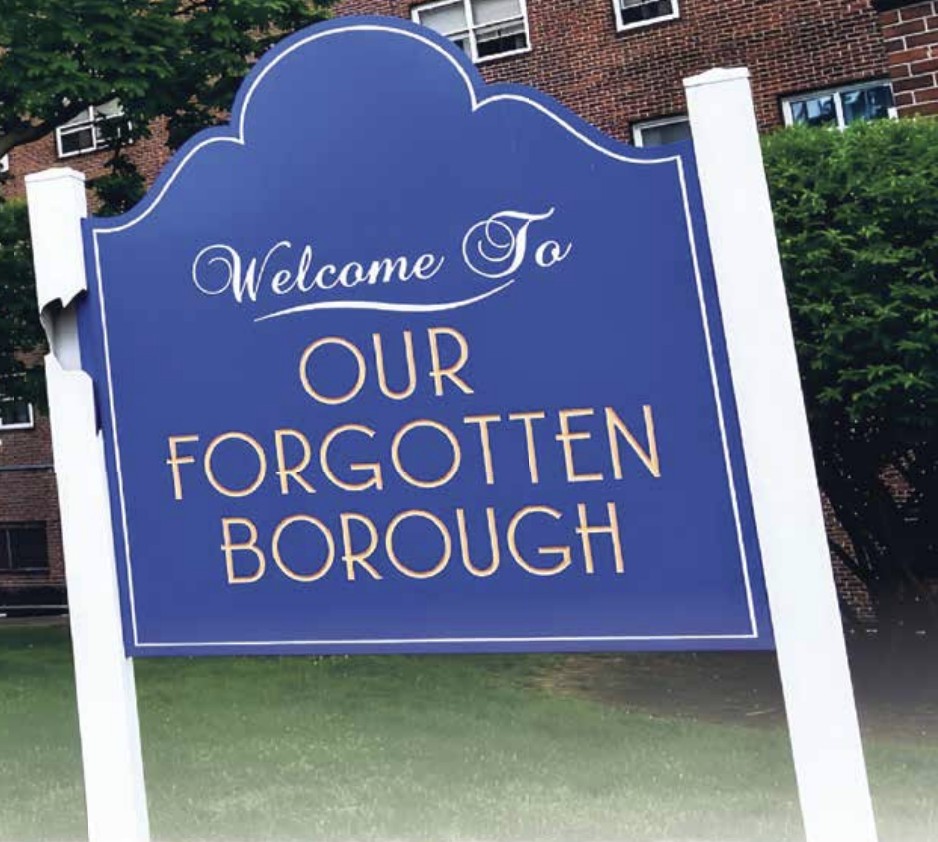
Why did the Bronx burn in the 1970s? Many scholars who study that terrible period point to redlining, a discriminatory real estate tactic that sparked the fiery downfall of the borough’s housing stock.
Financial institutions and insurers drew red lines on maps of neighborhoods with a predominantly minority and lower-income population. They refused to offer residents approval for new loans; they increased insurance premiums or provided no coverage at all.
Without loans to raise capital, landlords lost their ability to improve their properties, and lost tenants due to disrepair. Adding insult to injury, their insurance premiums went up. Property values declined precipitously to the point where some owners realized their insurance claim coverage was worth more than the building they owned.
And some of them cashed out they only way they could: through arson. The fiery urban blight in the borough attracted national infamy. Millions in state and federal aid were invested in the late 1970s and early 1980s to turn the Bronx around for the better.
The Bronx is no longer in ash-covered ruins nearly five decades later. Redlining, as an official practice, is outlawed. Nevertheless, landlords and tenants today are struggling with a number of issues that we’ll tackle in this month’s edition of Our Forgotten Borough.
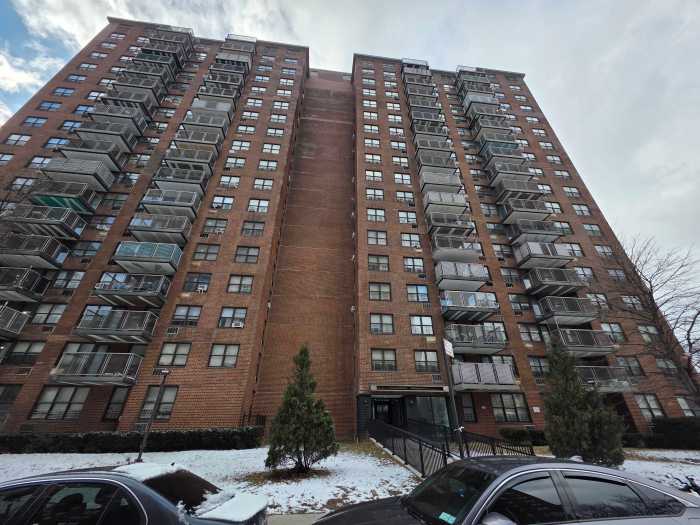
Some of the biggest housing challenges facing Bronx residents can be found in apartment buildings operated by the city’s largest and most notorious landlord: the New York City Housing Authority. From winter heat outages to elevator failures year-round, NYCHA residents deal with one headache after another in their aging buildings and often endure long waits for them to be corrected.
The state of NYCHA buildings has sparked a citywide debate over whether the privatization of entire buildings or campuses could finally improve conditions for residents. Some success stories have risen in the Bronx amid the skepticism.
Tenants in rent-stabilized apartments are also dealing with the repercussions of economic pressure and neglect from property owners. As the city’s Rent Guidelines Board debates a potential rent freeze vote next month, the repercussions of these challenges may only grow depending on the outcome.
State-regulated Bronx co-ops under the Mitchell-Lama program are also facing a wide variety of problems beyond mere disrepair — from unresponsive boards and mismanagement to getting caught in an endless bureaucratic loop where their quality-of-life problems always seem to fall through the cracks.
We will also look at the state of homeownership in the Bronx. Owning a home is perhaps the biggest investment a person can make in their lifetime — but how many Bronx residents today are able to keep that investment, often passed down from one generation to another?
Regardless of whether they own or rent, every Bronx resident deserves to live in comfort and safety. They are deserving of fair treatment at last, and let no agency or corporation consider them an afterthought.