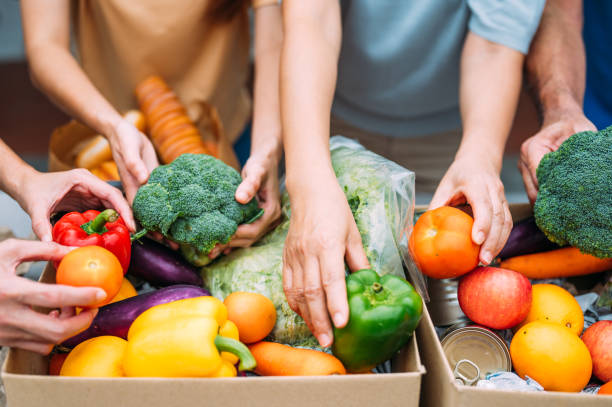
A free grocery pop-up in Manhattan’s West Village this week has drawn long lines and plenty of attention. Polymarket, the company behind the event, also pledged $1 million to Food Bank For New York City. Efforts to help families facing rising food costs are welcome. But the moment also highlights an important question: Are we directing resources where the need is greatest?
In the Bronx, the answer matters. The borough has the highest food insecurity rate in New York City. According to recent city data, 22.6% of Bronx residents struggle to access enough affordable food. For many families, this isn’t a short-term challenge — it’s a constant reality.
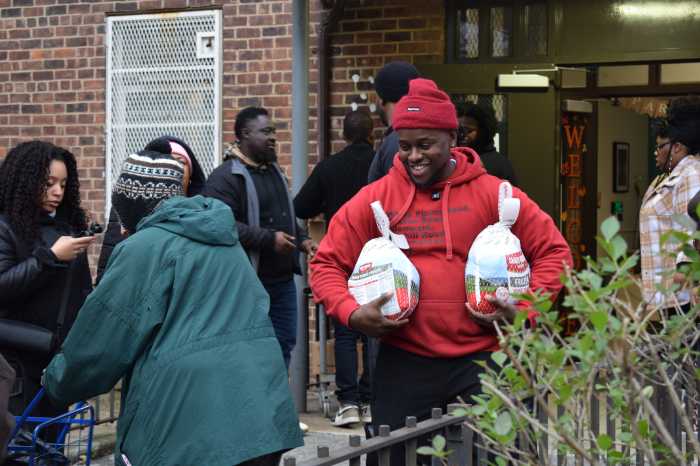
Through my involvement in student food access initiatives connected to my school in the Bronx, I’ve seen how much families depend on reliable systems: neighborhood pantries, SNAP benefits, community organizations and programs that help stretch grocery budgets.
What helps most isn’t a one-time event — it’s knowing support will still be there next week.
Short-term giveaways can bring attention to hunger, but they can also miss the chance to strengthen the infrastructure families rely on year-round. Hunger is persistent, and solutions should be as well.
If companies want to make a lasting difference, there are many ways to invest directly in high-need neighborhoods like the Bronx.
Partnering with local organizations, expanding pantry capacity, supporting SNAP outreach or funding programs that help families maximize food benefits can all have long-term impacts. These efforts may draw fewer headlines, but they build stability.
New Yorkers care deeply about food insecurity in their communities. The challenge now is making sure that our response focuses not only on visibility, but on sustained support where it’s needed most.
Cameron Barr is a junior at Riverdale Country School and is involved in student initiatives focused on food access.