For me, medicine has always been personal. Growing up in the Bronx, I was fascinated by science and how it can improve lives.
I knew I wanted to serve my community in my career, but it wasn’t until I began caring for my grandmother in high school—taking her to medical appointments, coordinating among doctors, and managing her medications—that I realized my calling in medicine.
The experience taught me that being a doctor means being an advocate for your patient.
And it’s a legacy I want to continue for my own patients after I graduate from medical school and enter practice. In my experience so far, I’ve seen the need to advocate beyond the halls of a hospital. Because policies made in Washington or Albany can have a major impact on patients in the Bronx.
For years, policymakers have debated ways to improve Americans’ access to healthcare, especially preventative services that can address health concerns before they escalate into chronic conditions or full-on emergencies.
Having access to a doctor in the community is one of the most effective ways to manage chronic diseases early, yet too many patients still face long waitlists before they can get a checkup. By the time they need hospital care, their conditions are much worse than they might have been had they been able to regularly see care providers close to home.
Unfortunately, much of the Bronx is a primary care desert, and we have the fewest general practitioners per capita of any borough.
Local residents can’t easily get a doctor close to home, forcing them to travel or forego care. It’s little wonder then that a 2025 state report noted that portions of the Bronx have worse doctor shortages than some of the hardest-hit rural counties in New York.
As I start imagining my life after medical school, I’ve talked to a number of doctors and have asked them what is driving the physician shortage and what can be done about it. Time after time, they point to the same culprit: Medicare, which pays independent practices at rates well below the cost of providing care.
The math doesn’t add up. The cost of running a practice is going up, while Medicare reimbursements are in decline.
This means doctors are compelled to make sacrifices to stay open. This includes trying to see as many patients as possible in a day, which makes patients feel overwhelmed and rushed; accepting only patients who have private insurance or can pay out-of-pocket; or leaving the Bronx for other communities in the city.
These are understandable responses to failing policy, but wouldn’t it be better for our neighbors here if Medicare finally fixed chronic under-reimbursement so more doctors could stay?
As I learned taking care of my grandmother, advocacy matters, and I recognize that federal policy changes are needed to address this structural problem head-on.
I’m eager to be part of the solution – both at the bedside and at the table where policies are made. As I get ready to begin my career in earnest, I want to do whatever it takes to lift up all communities throughout the Bronx and beyond.
This must include advocating for solutions to address the devastating doctor shortage and strengthen New Yorkers’ access to primary and specialty care. I encourage lawmakers to take steps to stabilize the Medicare system, ensure reimbursement is tied to inflation, and increase patients’ access to local doctors.
While some might worry that adjusting Medicare rates is expensive, in actuality, it is a smart investment since the cost of inaction is much higher. The status quo –paying for expensive, avoidable emergency room visits when chronic diseases go unchecked due to patients having long wait times and issues with health literacy—is far more devastating to our taxpayers and our healthcare system.
Because the more doctors we have in the Bronx, the healthier our community will be. At the end of the day, our neighbors deserve the care they need to thrive, and it is up to physicians and policymakers to improve the lives of everyone from Mott Haven to Riverdale.
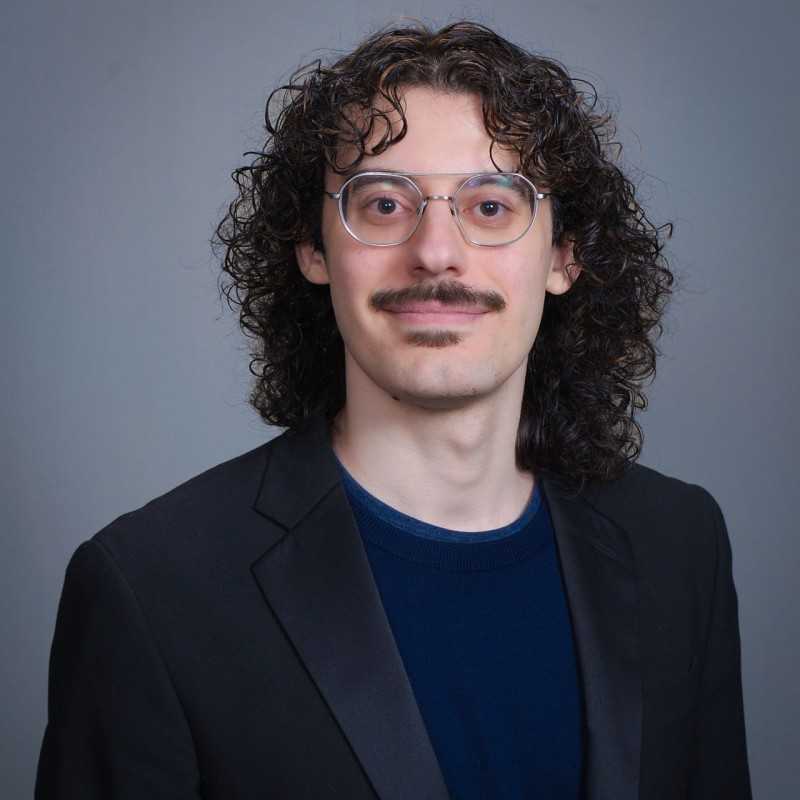
Nicholas Dushaj is a Bronx native and fourth-year medical student at the NYIT College of Osteopathic Medicine. The views expressed in this op-ed are his own.