
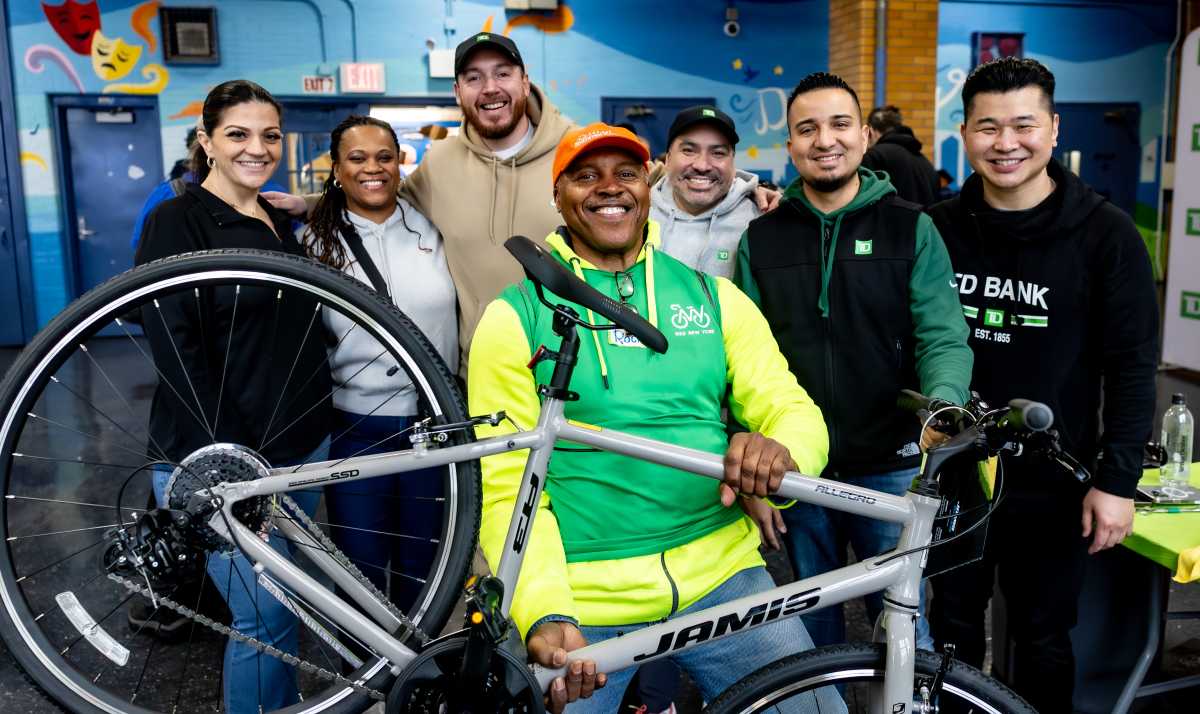
At William W. Niles Junior High School 118 in the Bronx, wrenches clicked and wheels spun as volunteers worked side by side to assemble a brand-new fleet of bicycles — marking the school’s official entry into a small but growing group of campuses with permanent bike fleets.
The build was led by Bike New York as part of its Get Kids Biking program, an initiative designed to teach students traffic and bike safety skills, help them learn to ride for the first time and reverse the decline in youth bike ridership. The program is a partnership between New York City Public Schools, Bike New York and the New York City Department of Transportation, with funding from TD Bank supporting the JHS 118 bike build.
“Everyone knows that kids aren’t getting enough exercise. They’re not getting outside enough. They spend an average of seven hours a day on screens, and that doesn’t include their coursework in school,” said Bike New York CEO Ken Podziba in an interview with the Bronx Times.
“There’s no better way of getting kids moving than getting them biking,” Podziba said.
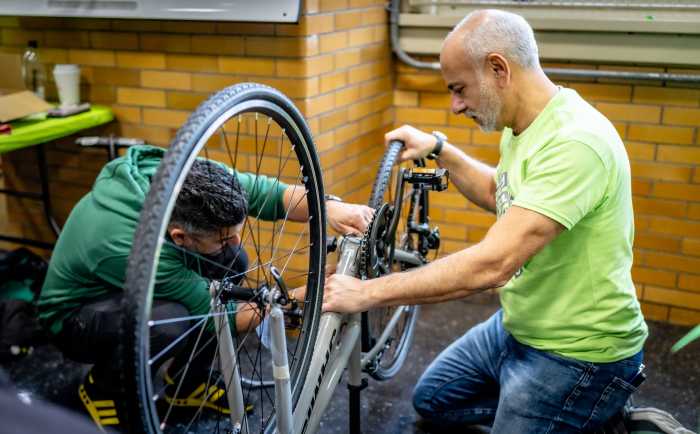
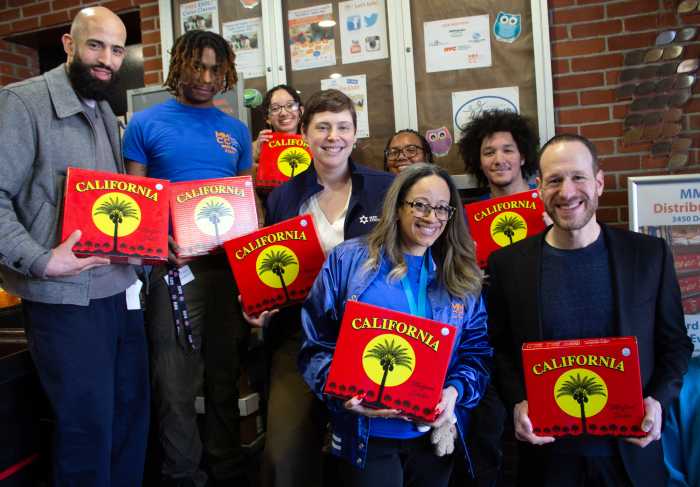
TD Bank also supplied volunteers from across the city, who worked under the supervision of bike technicians to assemble 105 Jamis and Trek bikes during the event. While many of those bikes will remain at JHS 118 as part of the school’s permanent fleet, others will be distributed to community bike education centers at Van Cortlandt Park and at Pier 76 in Manhattan.
“Why do we do it? We feel it is important to show our presence in the community,” said Alan Nossen, market president for New York City at TD Bank. Nossen is one of the many TD Bank volunteers who has contributed to the Bronx bike builds for the past three years.
“These bikes are not going into the hands of those that have bikes, but are going to children that want these bikes to explore, to spend the time exercising, to do what’s important,” Nossen said.
Citywide, the Department of Transportation also selects roughly 18 schools in the fall and 18 in the spring to participate, with six fleets serving several middle schools for a month before being passed to the next school, according to education director Rich Conroy.
JHS 118, however, is different. Instead of waiting for a rotating fleet, the school has earned its own permanent set of bikes, allowing cycling to be integrated into physical education classes, after-school programming and special events year-round.
The school is now the fourth in the Bronx with a permanent fleet, joining Highbridge Green School, MS 244 and the Bronx School of Young Leaders. Bike New York also maintains fleets in Van Courtland, St. Mary’s and Crotona Park.
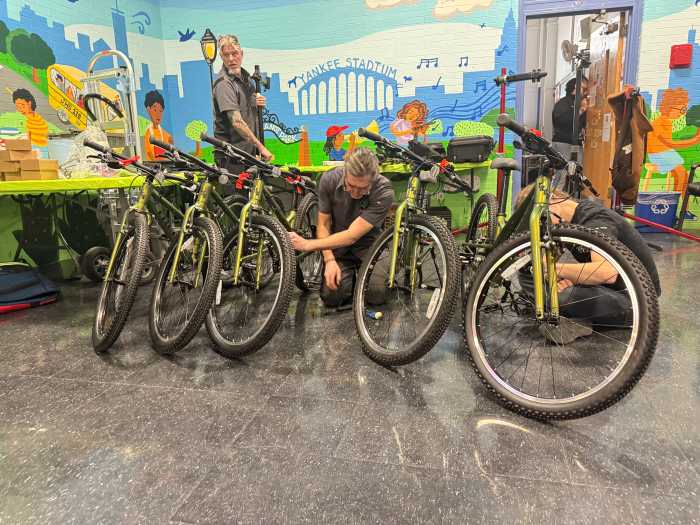
Under the partnership, Bike New York provides the curriculum, maintains the bikes, trains NYC public school teachers and supplies instructors to support the schools, the Department of Transportation provides helmets, storage and transportation logistics, while public school teachers deliver the instruction.
The expansion of the program is continuing. Get Kids Biking is slated to reach additional Bronx campuses this school year, including Bronx Writing Academy and MS 129 — broadening access to cycling education in a borough where many students may not otherwise have the opportunity to ride.
Podziba said he hopes to secure additional resources through the Department of Education and eventually see the program endorsed by the schools chancellor so it can reach every student.
Our dream is to have every school in New York City, every middle school at least, or elementary school,” Podziba said. “It’s a rite of passage. Every child should have that right to ride if they want to.”
Reach Marina Samuel at msamuel@schnepsmedia.com. For more coverage, subscribe to our newsletter and follow us on Twitter, Facebook and Instagram!