Mariluz Diaz, a Bronx resident, arrived at the Bronx Food Stamp Office on a recent Tuesday morning, cane in hand, expecting the kind of wait she has grown used to.
“Yesterday, I couldn’t sleep because I knew I had to come here,” said Diaz, 51. She had two hip replacements last year after arthritis forced her to stop driving a school bus. “I left my phone at home and I could have gone back to get it. I just didn’t want to walk.”
She has been coming to the office since January 2025, sometimes sitting for three to four hours while trying to remove her 21-year-old son from her case. He now lives in New Haven, Connecticut, but she said the system has not been updated. Her monthly Supplemental Nutrition Assistance Program (SNAP) benefit is $532. Without her son on the case, it would drop to around $200.
“The system, instead of helping us, is just making things more complicated,” she said. “We don’t need that.”
For Diaz and about 120,000 New Yorkers, new federal SNAP work requirements took effect March 1. Advocates estimate that roughly that many city residents will need to comply with the rules.
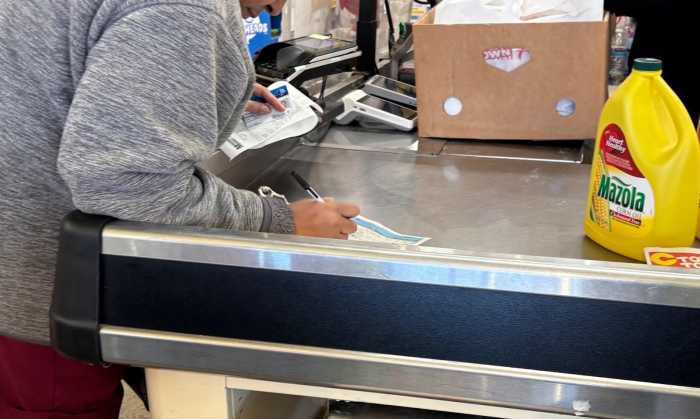
The rules, announced in November, require able-bodied adults without dependents between ages 18 and 64 to document at least 80 hours per month of work, job training, or approved volunteer activity. Those who do not comply by June 2026 could lose their benefits
According to the NYC Comptroller’s office, about 1.8 million New Yorkers currently receive SNAP benefits. The average monthly benefit in New York is about $187 per person.
The work requirements existed before the COVID-19 pandemic, but New York State received a federal waiver that paused them during a period of higher unemployment. That waiver expired on Feb. 28.
Under federal legislation passed last year, the eligible age range increased from 18 to 54 to 18 to 64. Veterans, people experiencing homelessness, and young adults who recently left the foster care system are no longer automatically exempt.
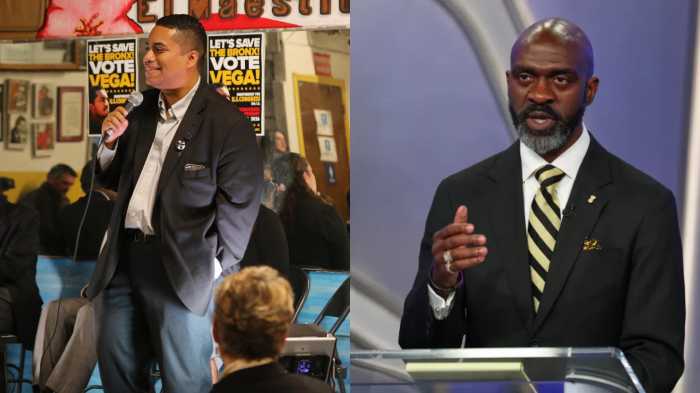
“These rules are brand new to a huge population of people who have never had to comply before,” said Rita Vega, citywide deputy director of the housing-benefits initiative at Legal Services NYC. “They’ve never had to do this.”
The 15th Congressional District, which includes South Bronx neighborhoods such as Mott Haven, Hunts Point and Tremont, had the highest share of SNAP use per household in the country as of 2023, according to U.S. Census data. Nearly 125,000 households, or 43.5% of the district, received benefits that year.
Carol Lewis, 67, remembers how the work requirements operated before COVID. Standing outside the SNAP center, she described spending two days a week in a classroom from 9 a.m. to 5 p.m., reviewing resumes and preparing for interviews. On three other days, she participated in the Work Experience Program, doing assignments such as cleaning streets or subway platforms.
“At one point, I could say it was demeaning,” Lewis said. “But at least I wasn’t sitting at home doing nothing.”
Lewis supports the return of the requirements, including the higher age limit.
“Once you reach 60 and you think, okay, I’m done with this, what are you doing at home?” she said. “Sitting watching TV?”
Anayeli Cruz, a Bronx resident who receives SNAP benefits, said she also supports the work requirement.
“I think it’s a good idea,” Cruz said. “Help should push you to get back into society, whether that’s working, training or volunteering.”
Cruz said she is currently trying to arrange childcare so she can return to work.
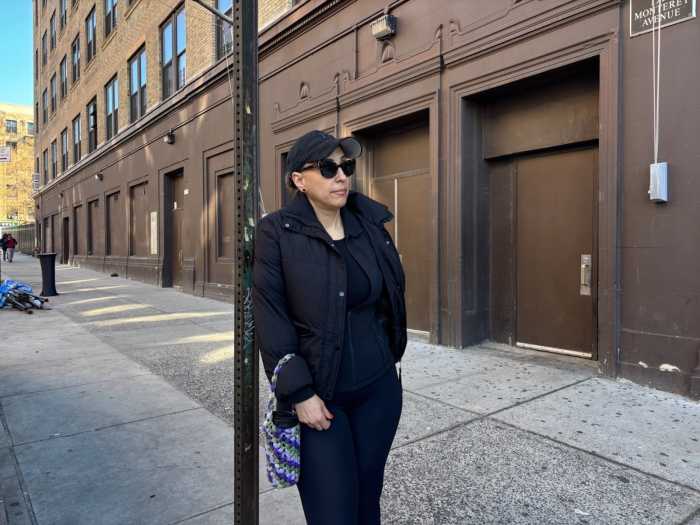
Diaz is enrolled in a program called WeCare and meets with a counselor every two weeks to discuss her medical progress. She said she still encounters problems when records are not updated.
“I was sent home from a program once because I had a doctor’s note,” she said. “When I got home, I got a call from a worker who said she didn’t see that in the system. I had to resubmit everything.”
Diaz said she is not opposed to working. She drove a school bus for many years and hopes to return to work, but her health limits what she can do right now.
“I’m 51,” she said. “I feel young. But my body doesn’t allow me to do certain things.”
She paused.
“I’m just hopeful that one day people in poverty, people with disabilities, people with low income will be heard and helped,” she said. “Maybe not in my timeline. Maybe my grandkids.”