With the holiday season upon us, more and more New Yorkers are facing a problem we have become all too familiar with: Food Insecurity.
This hot-button topic has been the focal point of political debates, legislative briefs, and nonprofit missions. Across the United States, food insecurity has been a persistent problem. In 2023, roughly 18 million homes in our country faced food insecurity.
The recent government shutdown highlighted how crucial this issue has become; SNAP benefits pausing caused families across the country to suffer. The rush of action to help mitigate this issue that followed further cements that this is a known issue –not one that came about from nowhere.
But what about here at home? We speak about food insecurity in broad terms and how it affects millions, but what about right here in the Bronx?
Food Insecurity in the Bronx Is a Crisis
As you dive into resource-deprived areas, this goes from a problem to a crisis. According to the NYS Department of Health, 39% of Bronx adults say that they are “always, usually, or sometimes” worried about having enough money to buy nutritious meals. This is the highest amongst the five boroughs.
When looking at the recent statistics from Hunger Free America, the Bronx’s food-insecure household rate sits at a staggering 19.1%. That means almost 1 in every 5 households experiences some type of food insecurity.
This is not some faraway issue. These are our friends, neighbors, and community members who are impacted.
Food insecurity stems from a number of issues that coalesce. Economic inequity is one of the largest drivers of food insecurity. The Bronx has a poverty rate of 27.6%, the highest in the five boroughs. Coupled with rising costs of groceries and increases in rent (at unprecedented rates), it is no surprise that families are struggling to put full meals on their table.
Amidst financial struggles, we also need to look at the limited access to healthy foods in our borough. Walk through any neighborhood in the Bronx and you’ll find more bodegas and fast food options than grocery stores.
In areas like Mott Haven, bodegas outnumber supermarkets 25:1. While these are staples in our community, we must also acknowledge that they are filling a gap left by supermarkets.
Instead, this leads to more processed foods and unchecked obesity in areas that are doubly impacted by environmental issues.
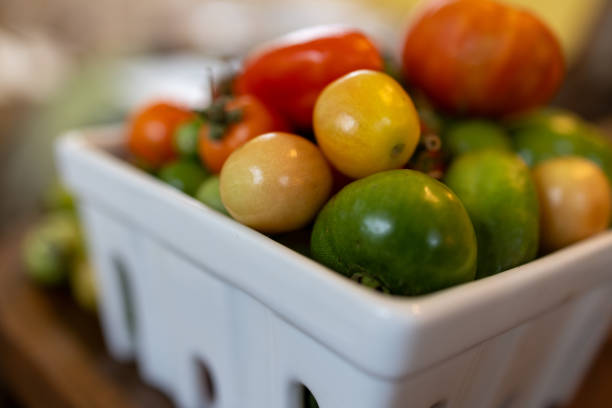
As a representative in the Senate, my goal is to ensure that we channel funding into these areas and build infrastructure to help mitigate food deserts. This means more community gardens, farmers markets, and food pantries.
Investing into these networks provides more options for families seeking healthy foods –especially when these local gardens and farmers markets aim for affordability.
Additionally, the State can offer tax credits, low-interest financing, and zoning incentives to encourage full-service grocery stores to open in underserved Bronx neighborhoods.
Using this in tandem with the possibility of community-owned markets, we can address the crux of the food desert. This has been a big talking point in the recent mayoral election, and an avenue that we should take seriously in the upcoming State session.
Aside from legislative and big-dollar moves, our office regularly partakes in grocery and resource giveaways, especially during the holiday season.
We host turkey distribution events and ensure our senior centers get an influx of gift cards that can be used at local grocery stores. These are all initiatives that I champion and am proud of –but they do not substitute for long-term solutions that we need to support in the legislature.
Nathalia Fernandez represents the 34th New York State Senate District.