For most of us, hearing the words “Back to School” brings back memories of nervous excitement, new school supplies, and freshly packed lunches. Now, as a parent myself, I find myself just as excited for my kids to head to school this fall and to experience these things for themselves.
I also find myself worrying. Will they make friends? Will their classmates be nice? And the question no parent wants to ask themselves, what about my child’s health? Will they get sick? We all expect the inevitable winter colds to be brought home, but what about something more serious?
Diseases like Measles, Whooping Cough, and Meningitis are all preventable with the vaccine. These diseases are on the rise in the United States and globally, can spread rapidly in classrooms, and more quickly with vaccination rates declining. The rhetoric around vaccines lately has been confusing for many parents.
The choice seems to be: risk your child getting a serious disease, or risk them potentially experiencing some scary side effect from the vaccine itself. In reality, the scary side effects that may occur are extremely rare.
As both a pediatrician and a parent, I want all families to walk into their pediatrician’s office with confidence in the decision to vaccinate their children, just like I did yesterday when my son got his 1-year old vaccinations.
With this choice, I am not only protecting my own children, but my child’s classmates, neighbors and their communities as well. This is not a hypothetical claim. Here in the Bronx, we have already been seeing more cases of Pertussis (also known as Whooping Cough), and Measles are spreading like wildfire throughout the country.
Your own child may not die of Whooping Cough, but what about their classmate’s new baby sibling? In choosing to protect our children, we are also protecting those around them that are too young or vulnerable to receive the vaccines themselves. The more of us that are vaccinated, the stronger and better protected we are as a community.
One of my mentors who recently retired always tells the story of the initial roll-out of the Polio vaccine in his community when he was a child and how his mother was first in line at their doctor’s office, so eager for her son to be protected from this infectious disease. Broad acceptance of the vaccine significantly decreased Polio cases around the world but it is still present and could return rapidly if we lose herd immunity.
But what about the side effects? What about the risks? These are valid questions. Vaccines are one of the most well-studied medical interventions that we have access to, and have found in countless studies to be safe and effective. As with any medical intervention, there is a small risk of experiencing side effects, most of which are minor.
For example, mild redness, swelling, pain at the injection site, or a fever are all normal side effects to experience when receiving a vaccine. Serious side effects from the childhood vaccines are extremely rare and less common than complications from the disease. I feel confident in vaccinating my own children while following the recommended schedule from the American Academy of Pediatrics.
The schedule is important because it provides the times vaccines should be given to provide protection the child is most vulnerable. We give shots to the littlest babies because that is when they’re at the highest risk of getting sick. Delaying or spacing out vaccines will also delay the protection of the child from infectious diseases.
Many parents worry about the number of vaccines or the load on their child’s developing immune system. Children are exposed to far more antigens when walking into the exam room than in a vaccine, and their immune system is capable of handling far more. Vaccines simply teach the immune system how to fight off the bad germs before unexpectedly getting sick without any protection.
Parents also have concerns about preservatives like Aluminum. This metal is used in trace amounts in some vaccines to help boost their effectiveness. It is also found in our environment, including in breastmilk, food, and formula and has been well studied, showing that the very small amounts of Aluminum present in vaccines does not cause harm.
In the preparation for back to school, please make sure to check with your child’s pediatrician to ensure their vaccinations are up to date. With all the other worries that come with being a parent, you do not want illness to be one of them. If you have any questions or concerns, your pediatrician will be happy to discuss them with you.
Let’s do what we can to help protect our children.
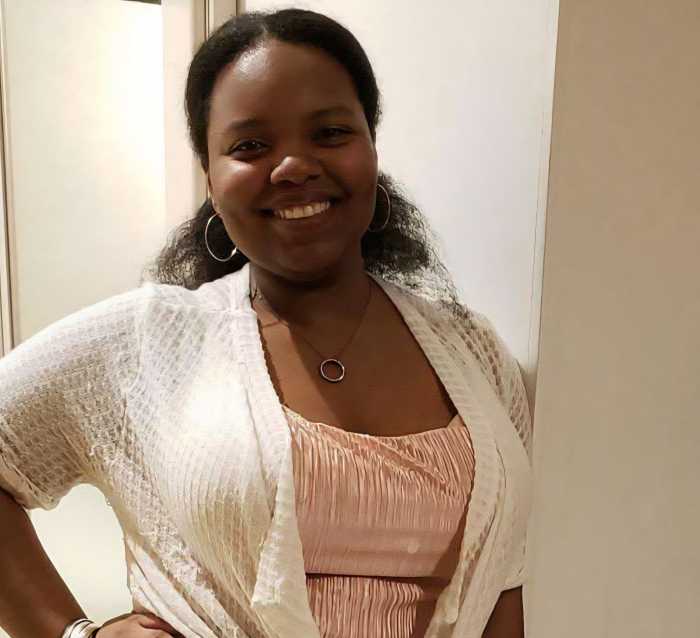
Dr. Keppler is a pediatrician at Jacobi, she attended Albert Einstein College of Medicine and residency at Stanford University, she’s currently an Associate Program director for the pediatric residency program.
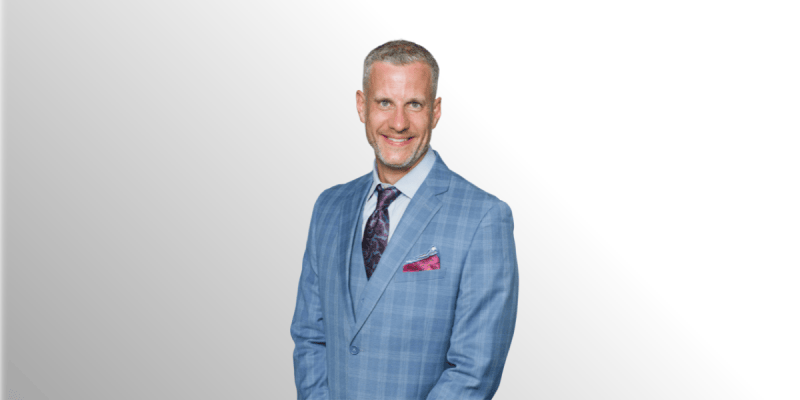
This op-ed was written with support from Dr. Katarzyna Zabrocka. Dr. Zabrocka is a pediatrician at Jacobi, she attended medical school at Stony Brook University School of Medicine and residency at Stanford University.