
A Bronx native is leveraging technology to assist vulnerable kids and adults, creating wearable technology that will likely save lives.
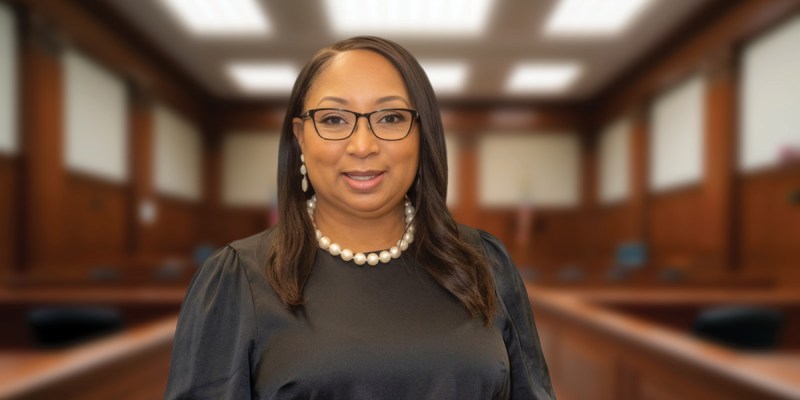
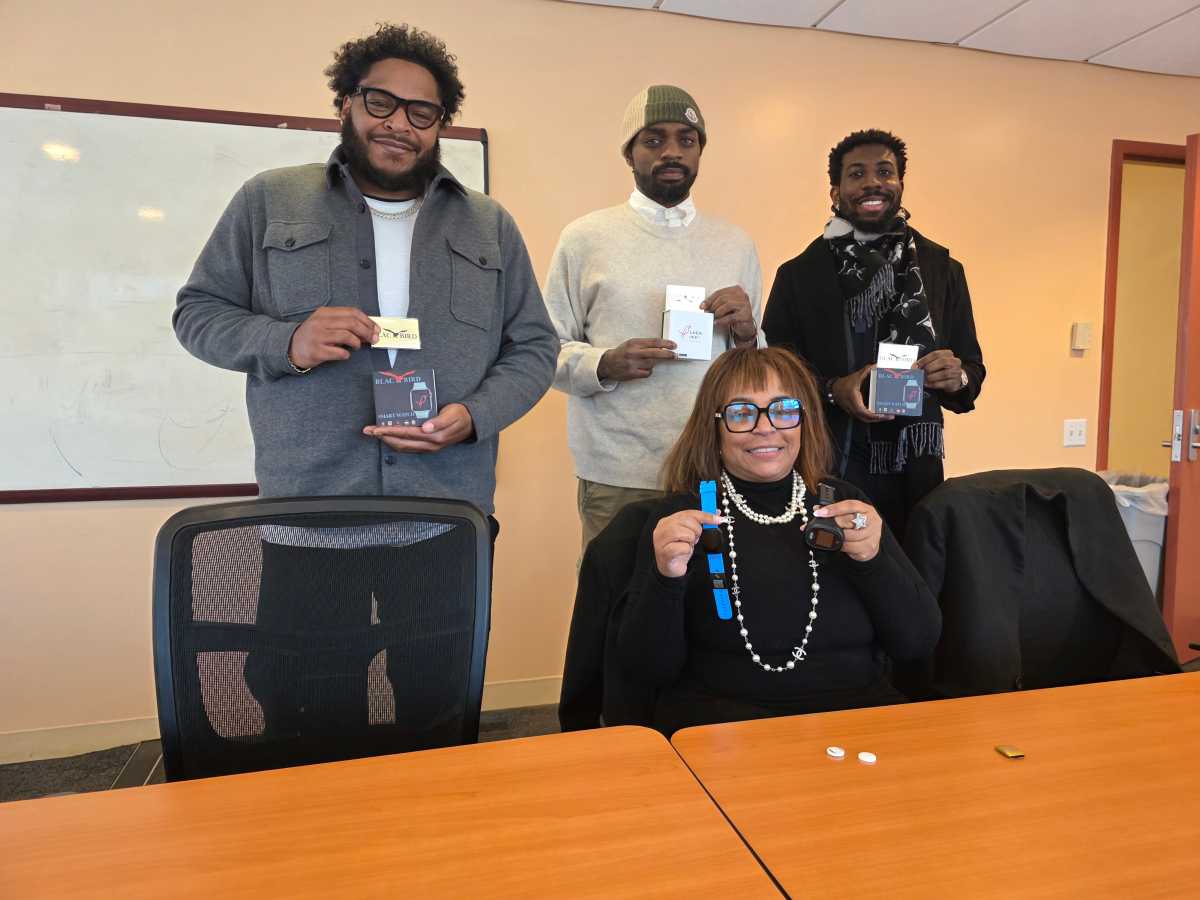
Tyneadrian Fleming, 54, recently launched Black Bird Smart Innovations, LLC, a line of products designed to track and assist people with disabilities, traumatic brain injury, dementia or other conditions that may cause them to wander away from home or have a medical emergency.
The Black Bird devices and app also provide useful information for those who encounter people in crisis and want to help.
Fleming grew up in the Bronx and had no tech background. She raised three sons without a stable place to live, at times, but managed to complete her master’s degree in psychology at Mercy University, where she met the Bronx Times for an interview.
After years of working for the Department of Corrections and opening several state home care agencies, Fleming said she encountered many people with disabilities and was especially struck by those with traumatic brain injuries (TBI). She realized she wanted to help people “on a broader level,” she said.
People with TBI wanted additional safety and protection in their daily lives, but not to publicize their injury to the world, Fleming said. “That can be any one of us. They were not born with this injury.”
With extensive feedback from families, Fleming developed smartwatches and other devices that capitalized on the popularity of wearable health trackers and the ubiquity of QR codes. She developed the concepts during the COVID-19 pandemic, when scannable codes popped up for everything from restaurant menus to shopping to doctor’s office check-ins.
What was missing from many devices, Fleming said, was a medical ID component that other people can easily use to help people in crisis.
“At my age, technology is something that can be intimidating,” said Fleming. But she put her years of experience to use and created technology that helps people like those she once worked with every day. “Don’t reinvent the wheel,” she said.

‘Always look for the bird’
When a medical emergency strikes, or someone is found wandering the streets, they may be unconscious or unable to communicate clearly for various reasons. In these cases —especially in dealing with kids with autism who wander away from school or home, called “eloping”— there may be no way to identify the person or their condition.
These situations are what Black Bird is meant for, Fleming said. While users’ sensitive information is protected, there is certain information people may actually want others to know in case of an emergency — and that information is readily accessible using Black Bird devices and the app.
Like most smartwatches, Black Bird’s can track step count, heart rate, blood pressure and other health indicators, plus issue medication reminders. But other features make it useful as a medical device.

The Black Bird Bold is an LTE smartwatch with its own network, with a removable face that can be worn as a pendant. It has a fall detection sensor and can make text messages, calls and video calls.
The smartwatches can also track a person’s whereabouts and send a text alert if they’ve gone beyond a pre-designated safety zone.
When someone is wearing a Black Bird device, anyone can scan the QR code and see basic information that they’ve designated to appear publicly. This may include a family member to call and information about a medical condition.
First responders, including EMTs, fire personnel and doctors, can also use the app and a special code to see more detailed information about the person, such as their route, languages spoken and home address. Rather than admitting John and Jane Does into the hospital, “Now they’re able to see you in a more holistic way,” Fleming said.
Today, many “first responders” are actually just people on the street with cell phones, she added. Instead of passively filming individuals in crisis, people should get accustomed to using their phones to access the person’s emergency contact and health conditions, said Fleming. “Most of the time, they want to help. They just don’t know how to help.”
As medical wearables like Black Bird devices become more commonly used, Fleming said people can remember the slogan, “Always look for the bird.”

An unexpected mission
Fleming said her company has tried to create a useful product for everyone —even kids in schools, where the statewide cell phone ban prevents them from wearing smartwatches.
Instead, they can wear small, plastic Black Bird buttons, which are easily sewn on and off, and can track the person’s movements and send an alert if they’ve wandered outside a certain radius of school or home.
Then, when someone finds a child outside, they can scan the button, which directs them to their basic information page.
Fleming said this technology will help neighbors look out for each other, as they already do. Vulnerable people are often protected by the mailmen, bus drivers and bodega workers who see them every day, and a Black Bird device can help them even more.
When looking out for people at risk, “Community is very important,” she said.
The devices can be used in ten different languages. The regular smartwatch starts at $149, and the LTE-enabled smartwatch starts at $249. A set of two plastic buttons goes for $99, and, for those who already have a watch, Black Bird offers a medical ID sleeve with QR code for $49 that can slip over any watchband.
Fleming’s devices are already patented and Medicaid-approved. Soon, she will receive word on FDA approval for the watches to be classified as medical devices.
Fleming said she hopes these inventions will become widely used, to the point where they keep people out of hospitals and shelters while reducing 911 calls and police use of force incidents.
“These are smart wearables that I really feel are going to change the game,” she said.
Fleming now leads Black Bird Smart Innovations with her three adult sons: Sharife Bledsoe, tech executive; Dominik Bledsoe, head of recruitment; and Aldric Carthens, chief operating officer.
As kids, her sons used to run around Mercy University while she worked to complete her degree, said Fleming. Now, they’re integral to the unlikely story of a divorced mom with no tech experience who created something potentially life-changing.
Fleming and her sons are working hard to introduce Black Bird to the masses. They’ve already partnered with SpeedTalk Mobile, powered by T-Mobile, and are working on connecting their devices to a home alert system and creating a stuffed animal keychain device for kids.
“This is definitely my mission,” Fleming said.
Reach Emily Swanson at eswanson@schnepsmedia.com or (646) 717-0015. For more coverage, subscribe to our newsletter and follow us on Twitter, Facebook and Instagram!