
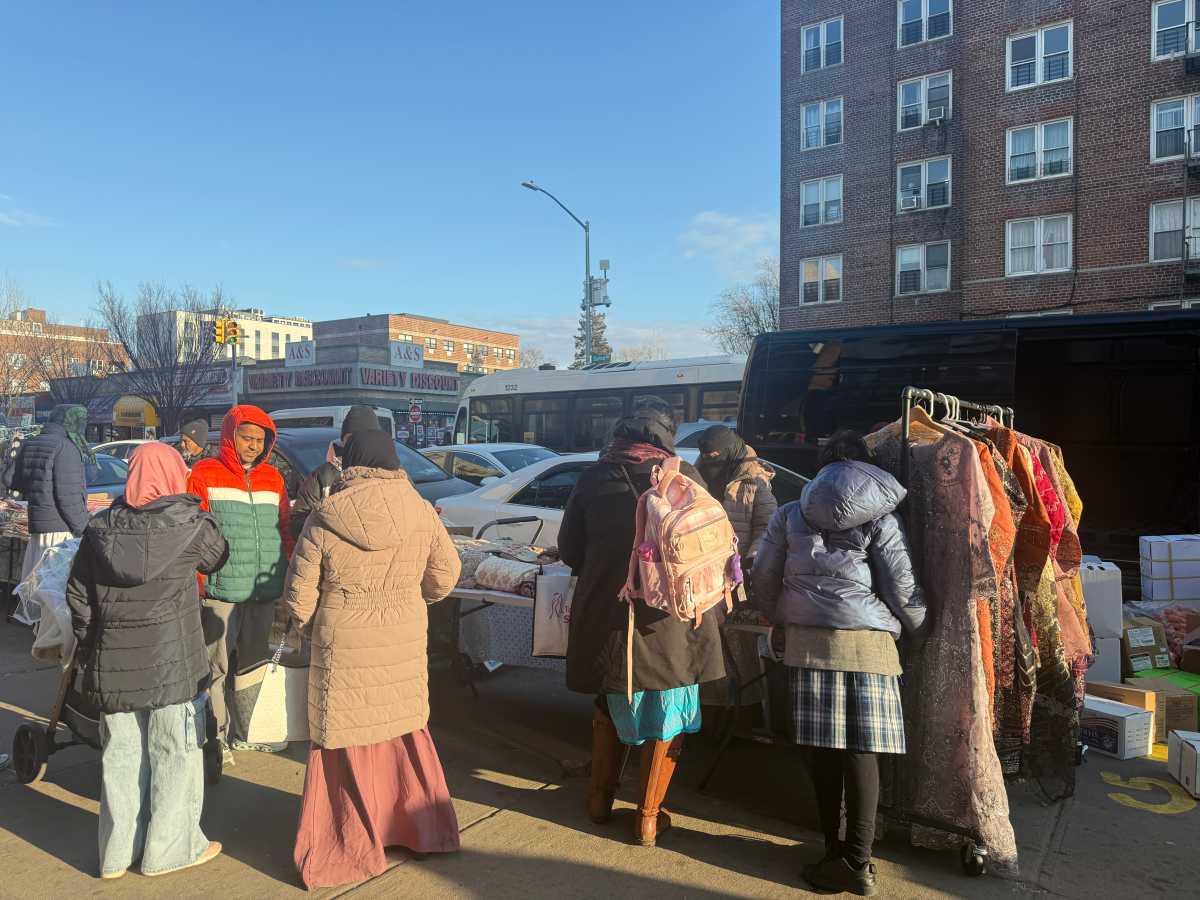
On the eve of Eid-al-fitr, the Bronx’s Muslim community gathered on Starling Avenue to celebrate Chaand Raat, marking the end of the holy month of Ramadan.
Known as Bangla Bazaar, the short commercial strip linking Castle Hill to Parkchester is closed to traffic for the night and lined with vendors, evoking the bustling street markets of Bangladesh. Families flood the avenue, rushing to prepare for Eid with last-minute shopping, food and tradition.
Chaand Raat, translates to the “night of the moon” in several South Asian languages, including Bangla, the national language of Bangladesh. While Chaand Raat is celebrated by Muslim communities all throughout South Asia, it is central for the Bangladeshi Muslim community, so much so that they brought it to their homes in New York.
The surge reflects the neighborhood itself. According to 2020 Census data, nearly 20,000 Bangladeshis live in the Bronx, with almost half residing in Community Board 9 — home to Starling Avenue and a growing South Asian enclave. The celebration also draws West African Muslims in the area, many of whom come for last-minute shopping ahead of Eid.
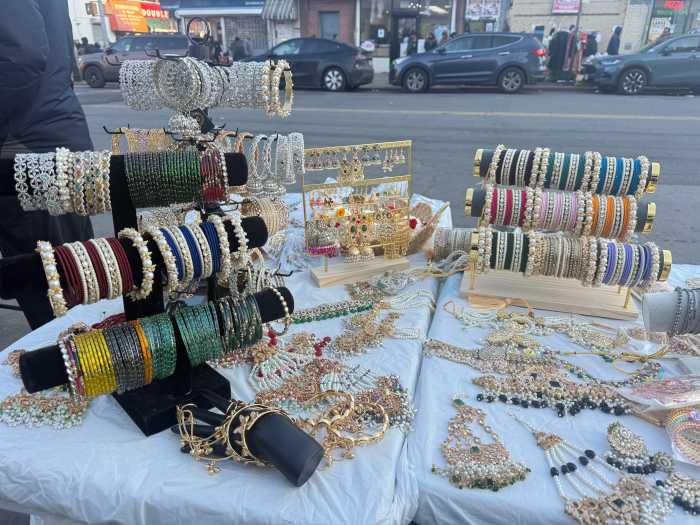
Hundreds of businesses experience an influx of visitors, as people rush to gather ingredients and outfits for the next day’s festivities.
Inside Al-Aqsa Supermarket, one of the area’s most popular South Asian grocers, lines stretched through the aisles as shoppers stocked up on halal meat and ingredients for their Eid meals.
Outside, vendors set up fold-out tables for the night, selling traditional clothing like salwar kameez for women and thobes for men. Jewelry stalls shimmer with gold necklaces, bangles and jhumkas, as families search for the final pieces to complete their Eid outfits.
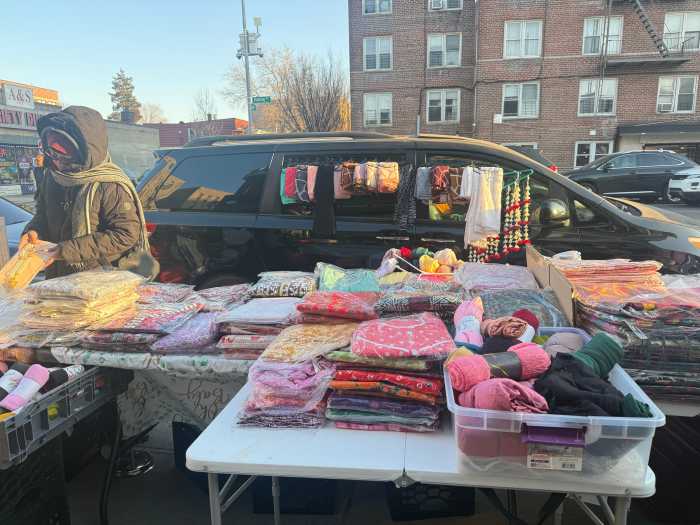
For many, Eid begins with an early morning prayer marking the end of a month of fasting and reflection, followed by a day of gathering with family and sharing meals and gifts.
“I wake up, take a shower, wear my best clothes, attend Salah, and have my family and guests over,” said Saiful Islam, who waited outside the supermarket as his friend shopped. He noted that while the crowds were unusual for a typical day, they were expected on the night before Eid.
But for many young women, the highlight of Chaand Raat is the henna.
Rows of artists sit behind makeshift tables, cones of henna in hand, carefully tracing intricate South Asian designs as customers wait their turn and prepare to bargain for cheaper prices. Long lines form as women and girls hope for a rich, dark stain by morning, an essential part of Eid preparation.
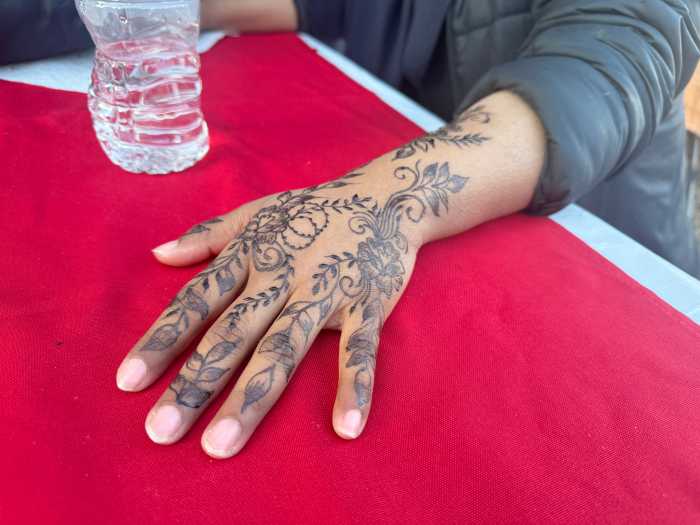
For families like Fatema Nur’s, the night is both practical and deeply personal.
Fatema immigrated to New York with her family three years ago after waiting a decade for their visa to be processed. On Chaand Raat, she is one of many henna artists hoping to earn extra cash for the night.
At sundown, her father brought her food so she could break her fast, starting with a traditional date and a sip of water. Suddenly, the street emptied out as people rushed into restaurants or their nearby homes so they could eat and pray. Nearby, several vendors asked her to watch over their tables of merchandise so they could also step away to break their fast.
Though she didn’t know the vendors who asked her to watch their tables, the trust reflects a sense of community that runs deep amongst the Bangladeshi community in the neighborhood.
Fatema’s favorite part of Chaand Raat, she added, used to be celebrating with her sister, who aged out of eligibility to immigrate with the family by the time their visa was approved. Her sister would apply her henna each year. Without her, the tradition feels incomplete.
Still, Fatema said she looks forward to Eid — dressing up, celebrating with family and embracing the joy of the holiday.
“It’s like a Muslim Met Gala,” she said.
Reach Marina Samuel at msamuel@schnepsmedia.com. For more coverage, subscribe to our newsletter and follow us on Twitter, Facebook and Instagram!