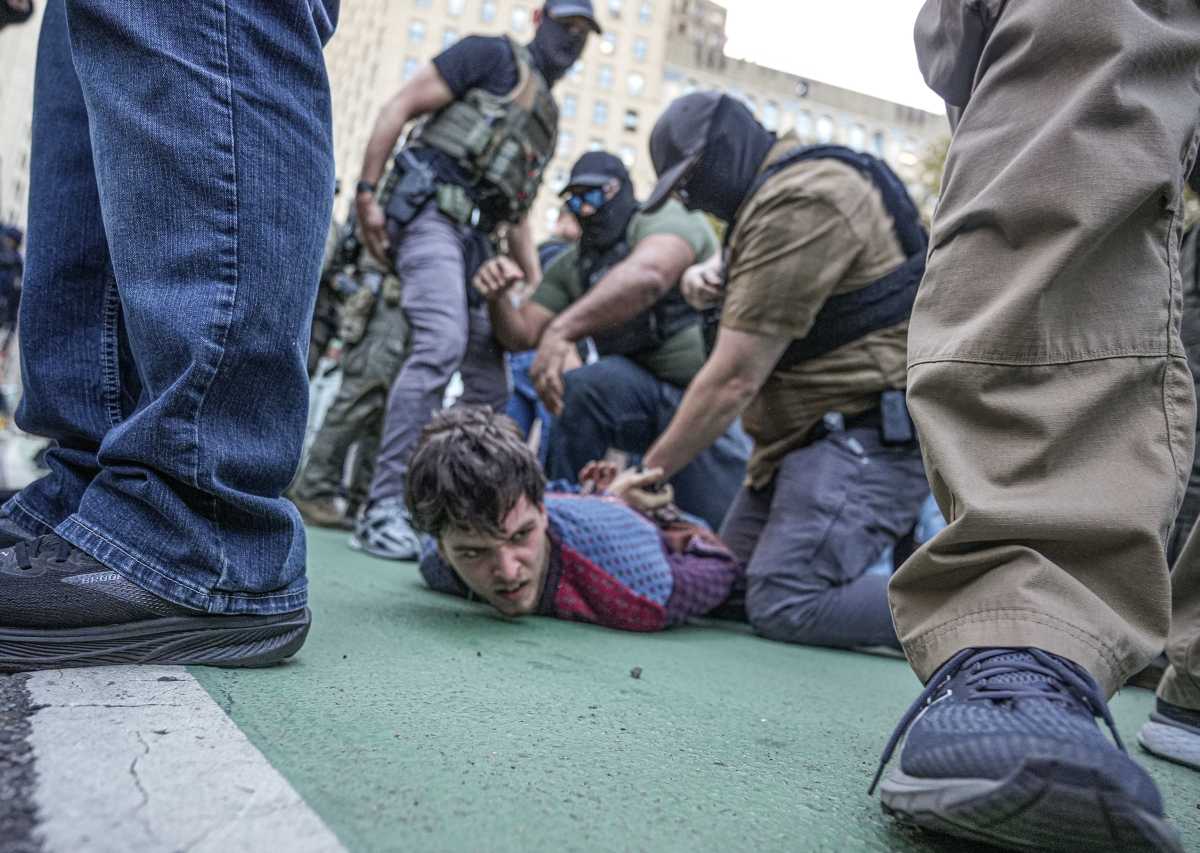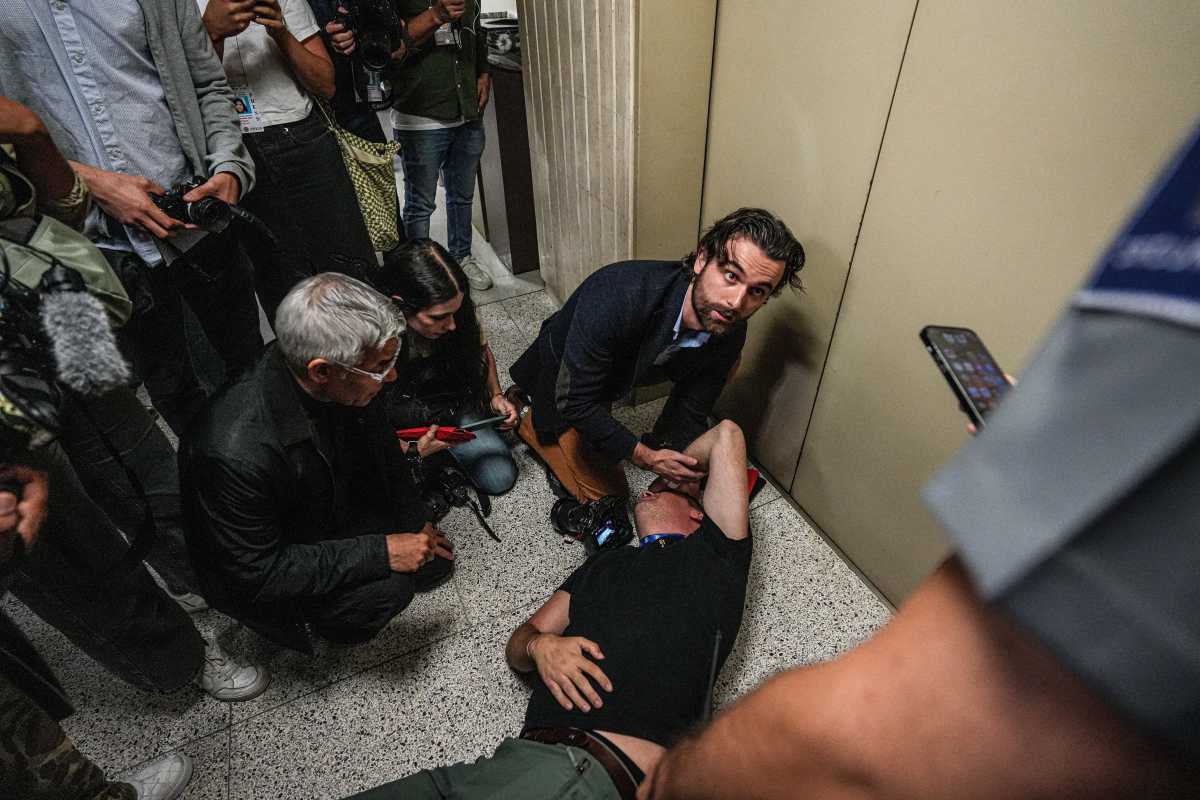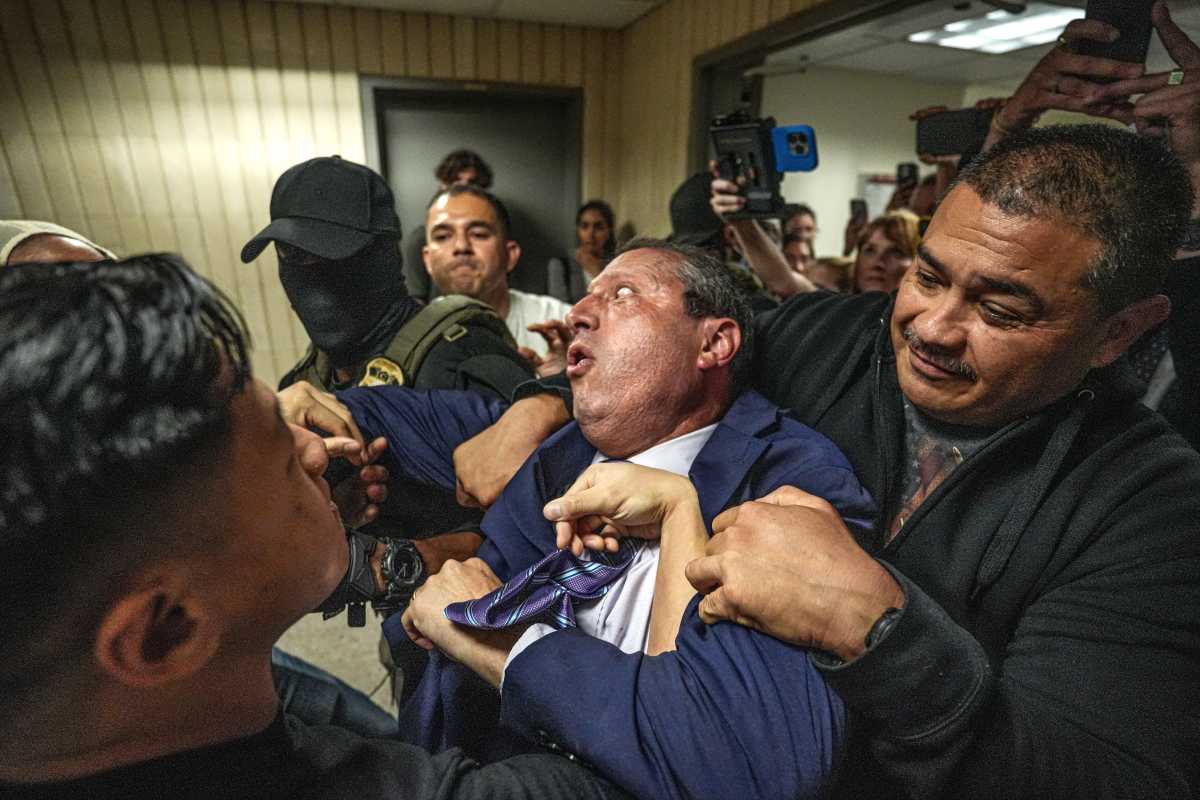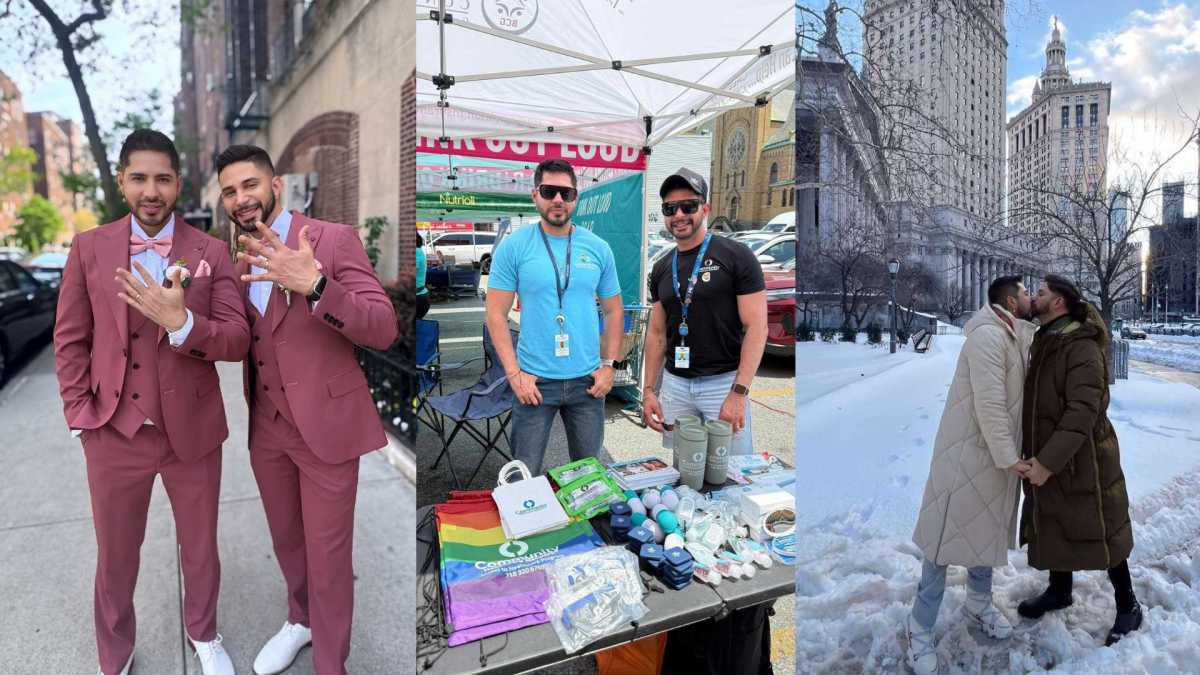
Community members in the South Bronx and Queens are rallying behind Kamal Morales, 40, who was deported to Venezuela in early March after being detained on March 2 during a routine immigration appearance.
Morales lived in Jamaica and worked as a counselor at the Community Healthcare Network South Bronx clinic at 1002 Westchester Ave. At the clinic, he helped HIV patients — including many fellow immigrants — get connected to health insurance and treatment, giving them the best chance at long, healthy lives.
But now, Morales is the one in need.
He was no stranger to the challenges and limitations of the legal immigration process. In 2019, when Morales fled Nicolás Maduro’s regime and crossed the border into the United States, he was detained for 11 months as he tried to battle for legal status without lawyers.
He was ultimately denied asylum but released on parole, and when the Trump administration ended Temporary Protected Status for Venezuelans in Oct. 2025, he was back under the constant threat of deportation.
“I did everything with that question [of deportation] in mind,” Morales said during a video interview with the Bronx Times from Caracas. “Every day, I went out in fear because I didn’t know when they might catch me.”
Even so, he consistently showed up at required immigration check-ins, had no criminal record, held a job and married his husband, Miguel Garcia, a U.S. citizen, in May 2025.
On March 30, 2026, United States District Judge Michael J. McShane ruled that although Morales was originally ordered for deportation back in 2019, the government was “unable to effect his removal,” and he was released. He was then “re-detained [in early March 2026] without any process to support that re-detention was appropriate,” McShane wrote in documents shared with the Bronx Times.
The judge ordered the Trump administration to show cause for Morales’ detention by April 7 — but the couple alleges that the administration deported him to Venezuela before even responding to the court. ICE did not respond to request for comment.
Garcia said it was frightening that ICE could ignore the judge’s orders. “They’re doing everything wrong.”

‘I was complying with the law’
Morales’ deportation back to the country he hadn’t seen in 12 years started like many others under President Donald Trump’s sweeping immigration crackdown.
Morales said he went to 26 Federal Plaza on March 2 for his regular appointment. “I didn’t know it was going to be my last appointment. I showed up to immigration. It was routine,” he said.
Even though he always understood the threat, Morales said he was stunned by how abruptly he was removed from his husband, his Queens home and his important work in the South Bronx — all when he thought he was doing the right thing.
“I was complying with the law. They should have given me some time or notified me,” he said.
After being detained, Morales and Garcia both said the next several weeks were “a nightmare.”
Morales said he spent the first two weeks detained in New Jersey, and then, without explanation, was flown to facilities in Louisiana, Texas, Arizona and Miami — finally flying from there to Caracas.
The stays in detention facilities were traumatizing, Morales said.
He said officers woke him up at 2 a.m. and kept him cuffed by the hands and waist while traveling by bus and plane, sometimes for more than 24 hours at a time.
Detainees were unable to eat, drink or use the bathroom and had to sit on the floor, he said. “We had absolutely no rights.”
To make matters worse, the detention centers were over capacity, with up to 100 people crammed into each room, he said. “We had to sleep on the floor, in the bathroom near the toilet, because there were too many people.”
During these stays, Morales said he was given only sandwiches with one piece of cheese and a small bottle of water. He said no one ever explained why he had to move to so many facilities, and he was never spoken to by an agent or given any documents to sign.
“I was in a limbo. I really didn’t know what was happening,” he said.
For more than four days, Morales also said he had no PIN number to make phone calls. He managed to borrow others’ codes to make short calls to Miguel, but he had no lawyer at this point. His previous attorney closed the case as soon as he was deported, and the couple couldn’t immediately afford to hire another, they said.
Finally, Morales arrived in Venezuela on April 1 — to a country he hardly knew anymore.
Almost all his friends and relatives had already emigrated, he said. Not only were his personal connections severed, but he also said the political oppression and economic devastation in the country had only become worse since the United States captured Maduro in January.
“I don’t feel safe there,” Morales said.
Today, he is staying at a cousin’s house in Caracas, worrying about having to get a job at some point, missing his home in New York and constantly missing Miguel.
The couple used to do everything together, including routine tasks like going to the gym, Garcia said in the interview.
Being back in Venezuela, where Morales had not set foot in over a decade, “It was a very strong shock,” he said. “Honestly, I couldn’t stop crying.”

Feeling his loss in the South Bronx
Morales’ husband isn’t the only one on frequent calls, video meetings and text chats with him.
His colleague at the Community Healthcare Network, Becky Green, told the Bronx Times that patients and staff alike are worried about Morales and miss him and his important outreach work on the team of about 30 at the South Bronx clinic.
“His loss has really been felt,” she said.
Garcia started a Spotfund fundraiser that has generated more than $10,500 towards legal fees to bring him home, and much more will be needed.
Garcia said his thoughts are with not only his husband but the many families currently in their position, or living with the fear that it could happen at anytime.
“I want you to know that your help, your empathy, and your solidarity have not gone unnoticed. They have given me strength when I needed it most,” he wrote on the fundraising page. “Thank you for being there.”
But plenty of challenges lie ahead as the couple seeks an attorney with experience in challenging deportation cases. Since they are now married, a family petition may be the best hope of bringing Morales home, Garcia said.
Garcia said with tears in his eyes that he’d do anything to bring his husband back to New York City. “Now that I’m alone, it’s very sad.”
The Bronx Times reached out to ICE Office of Public Affairs but did not hear back in time for publication.
Editor’s note: Parts of the interview in Spanish were explained and transcribed by an interpreter and using the Notta website.
Reach Emily Swanson at eswanson@schnepsmedia.com or (646) 717-0015. For more coverage, subscribe to our newsletter and follow us on Twitter, Facebook and Instagram!