U.S. Rep. Ritchie Torres is calling on the Community Preservation Corporation (CPC) to step in and help tenants living in distressed apartment buildings tied to notorious slumlord Ved Parkash.
In a letter to CPC CEO Rafael E. Cestero, Torres raised concerns about three Parkash-owned properties —89-20 161st Street in Queens, and 3435 Giles Place and 2015 Creston Avenue in the Bronx— which are currently in foreclosure and have long been plagued by tenant complaints and housing code violations.
The CPC, a nonprofit lender, is in the process of taking receivership of Signature Bank’s distressed multifamily housing loan portfolio, after the major real estate lender collapsed in 2023.
While Torres praised the organization’s role in preserving the city’s affordable housing stock, he said the moment presents an opportunity to “ensure that outcomes align with the broader goals of housing stability, tenant safety, and long-term affordability.”
“Any resolution involving these properties should include a clear and enforceable plan for rehabilitation and capitalization, supported by defined timelines, appropriate oversight, and meaningful accountability measures,” Rep. Torres added.
Parkash, a Queens-based landlord, is a regular on the New York City Public Advocate’s “Worst Landlords” list due to high numbers of housing code violations. At 3435 Giles Place and 2015 Creston Avenue alone, more than 250 complaints have been filed in the past two years, according to the city’s Department of Housing Preservation and Development.
Complaints range from lack of heat and hot water to mice infestations and structural issues.
Torres added that CPC’s role should extend beyond resolving financial distress and that the conditions outlined in tenant complaints point to the “need for a comprehensive and sustained intervention” to ensure the buildings meet basic standards of habitability and safety, Parkash’s building history goes beyond simple violations.
Parkash’s history with troubled buildings goes beyond routine violations. In 2017, a tenant in one of his buildings contracted a rare rat-borne disease linked to infestations.
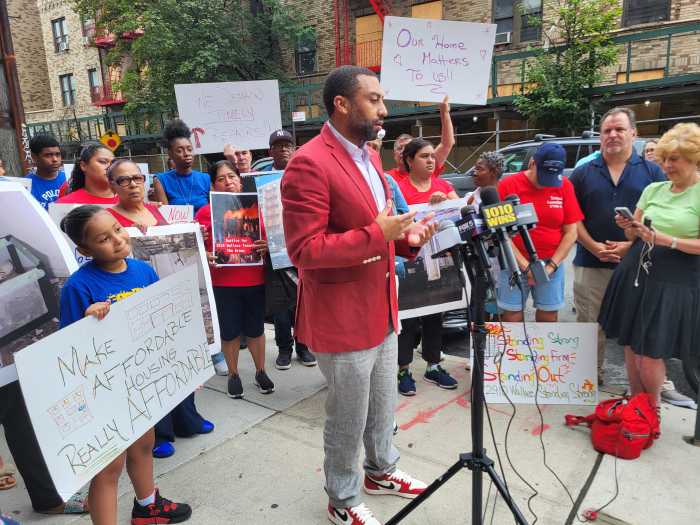
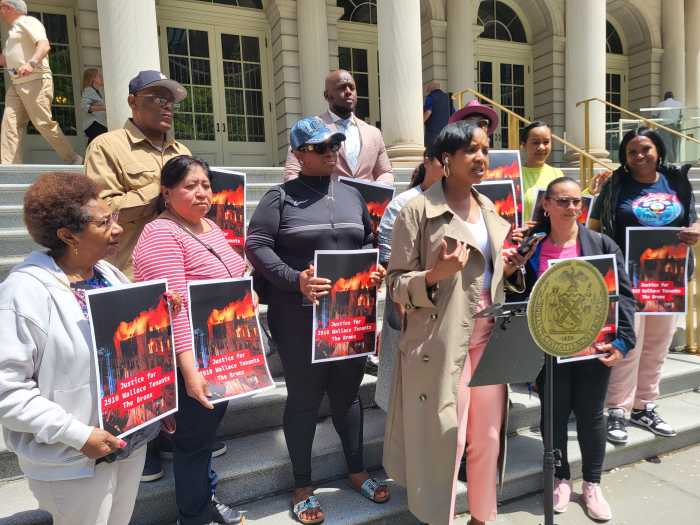
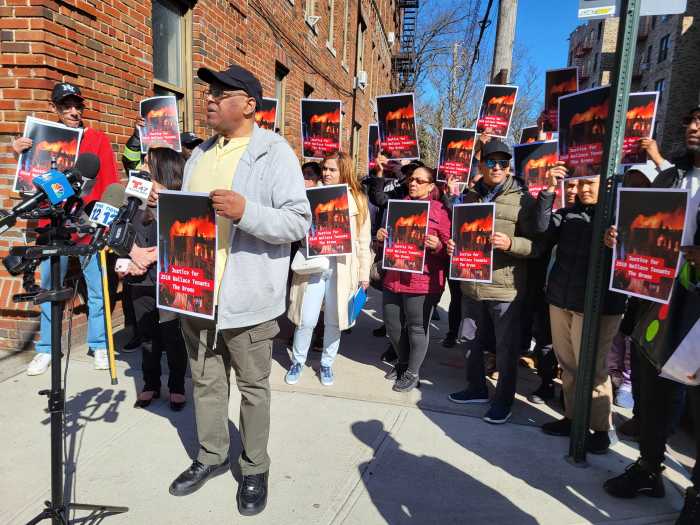
Several of his properties have also experienced fires, including 2910 Wallace Ave in the Bronx, where a five-alarm fire in January 2025 destroyed the six-story building due to faulty electrical wiring.
Yolanda Richardson, who lived at 2910 Wallace Ave for 25 years, said conditions declined after Parkash purchased the building in 2015. Maintenance deteriorated, she said, and repeated complaints about leaks were met with temporary fixes.
More than a year after the fire, Richardson said she is still displaced, staying with her mother after losing her rent-stabilized apartment.
“So, over the years, watching the building become what it was— it’s horrific,” Richardson said.
“It’s difficult for me to be out here trying to find something that I can afford because the market-rate rent is beyond what I can afford, honestly,” she added, noting that some former tenants are still living in shelters.
In his letter, Torres also asked to meet with CPC leadership to discuss plans for stabilizing the properties, including ownership expectations, oversight mechanisms and timelines for housing improvements, along with transparency for tenants and community stakeholders.
Torres also urged CPC to consider qualified preservation-focused buyers capable of delivering comprehensive rehabilitation and responsible property management during the receivership process.
Richardson said the sale of her building to Parkash was “very disappointing and discouraging,” adding that his track record should have raised concerns.
“It just showed the lack of care that they also had over time for the tenants in the building,” she said. “They had to have known who he was before selling the building to him— it was no secret.”
Reach Marina Samuel at msamuel@schnepsmedia.com. For more coverage, subscribe to our newsletter and follow us on Twitter, Facebook and Instagram!