This may not be the Bronx of the 1970s, but the factors that once made fire so prevalent here have not disappeared. The Bronx is burning again.
In just the past year, our borough has had hundreds of serious fires, including several multi-alarm blazes and fatal incidents that have displaced families, injured firefighters, and taken lives. And while Brooklyn and Queens may see more fires overall, the Bronx is where those fires are most dangerous.
In 2025, our borough accounted for four of the city’s six 5-alarm fires – the most severe, resource-intensive blazes.
We are witnessing the consequences of aging buildings that have not been retrofitted, deferred maintenance, overcrowding and the new risks with lithium-ion battery fires -all colliding at once.
Fire companies in the Bronx are being stretched to their limits. The average engine company responds to more than 5,000 calls annually, with the busiest units exceeding 7,000 runs. Despite this surge, there are fewer companies and fewer firefighters per engine than in years’ past.
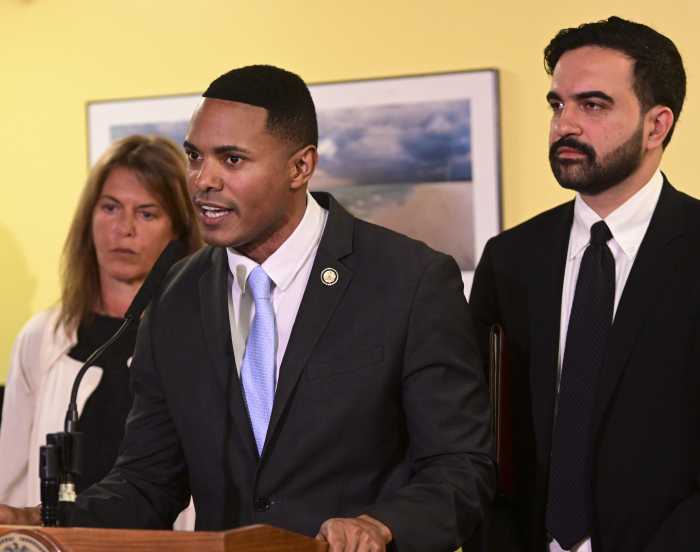
On February 10, 2026 the Bronx Delegation – joined by more than a dozen elected officials – formally raised these concerns in a letter to Mayor Mamdani, warning that the combination of aging infrastructure, unsafe housing conditions and rising call volume is placing unsustainable strain on the FDNY, which risks the lives of both firefighters and residents alike.
Under current protocols, the Department often deploys three four-person engine companies to respond to fires that could be handled more efficiently by two five-person teams.
The city cannot modernize its infrastructure quickly enough to eliminate the need for this change, and the cost of inaction -measured in damage, displacement, and lives lost- far outweighs the investment required to add one firefighter to each engine.
Every time a fire breaks out, we hear the same cycle of responses: thoughts, prayers, investigations and promises. Meanwhile, the underlying conditions remain unchanged. If we are serious about prevention, then our budget must reflect it. This means restoring five-person engine companies—starting in the Bronx, where the need is most urgent—but we have to be honest: we cannot ask the FDNY to solve this alone.
Even if we bolster funding for firehouses, we must simultaneously modernize the housing they protect and the way we educate our neighbors.
The conversation people really need to hear is that the FDNY is doing everything they can with the resources they have, but they are fighting a losing battle against infrastructure that wasn’t built for the 21st century. We must modernize what we have, prioritizing aging buildings for electrical upgrades that can safely handle modern energy demands.
Crucially, this modernization must be done in-place; we cannot and will not accept displacement as the price of safety. Residents should not have to choose between a dangerous home and no home at all.
To better address this, the Bronx must be prioritized for new, safe development to end the housing scarcity that fuels overcrowding and unsafe conversions. Alongside this, we must flood our community with distributed safety education -demonstrating smoke alarm maintenance and the specific dangers of overloading outlets in every residential building, school and community center.
Finally, we need aggressive accountability. Publishing lists of “bad landlords” is not enough; the City must use every tool available, from emergency repairs to seizing control of negligent properties, to ensure a baseline of safety.
Continuing with the status quo isn’t just a policy choice—it’s a gamble with the lives of Bronx families. The city must invest in our safety now, or it must answer for the consequences later.