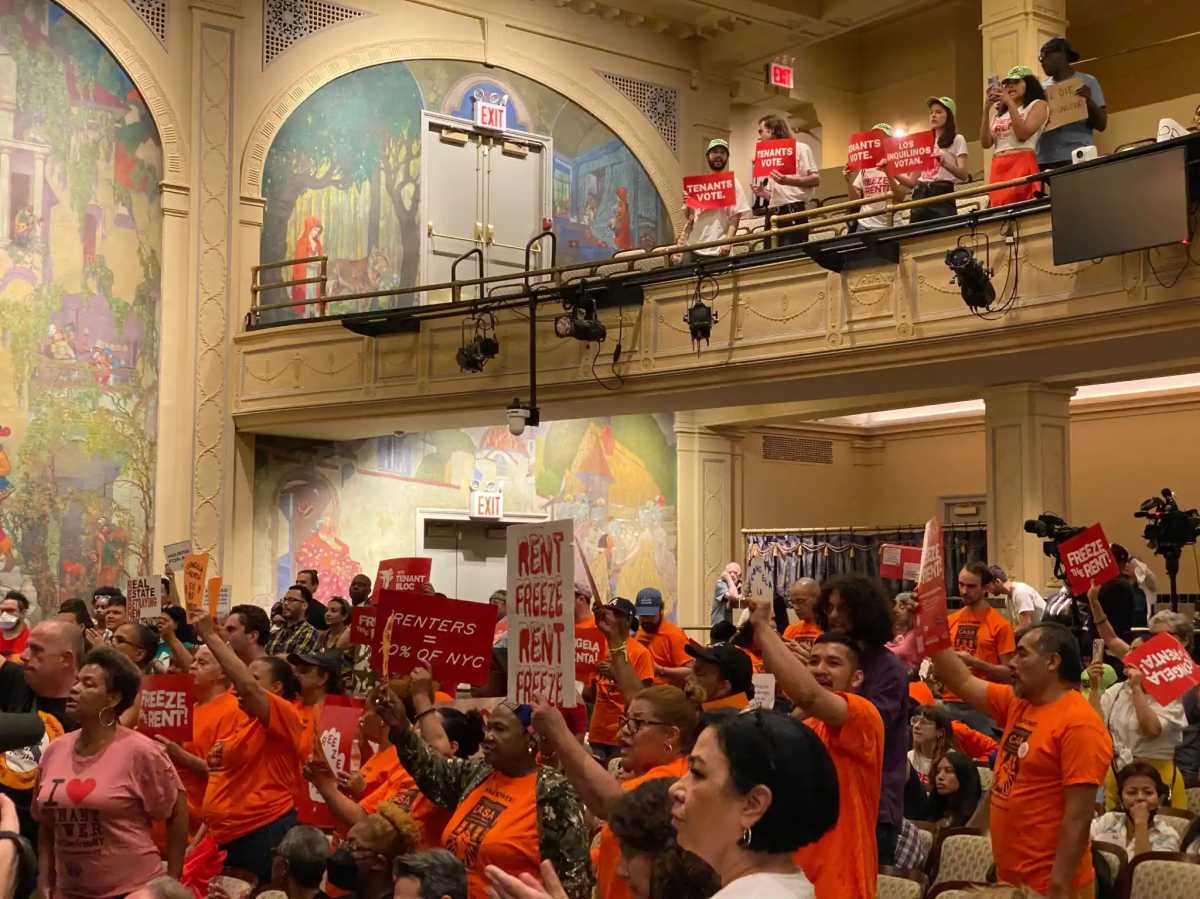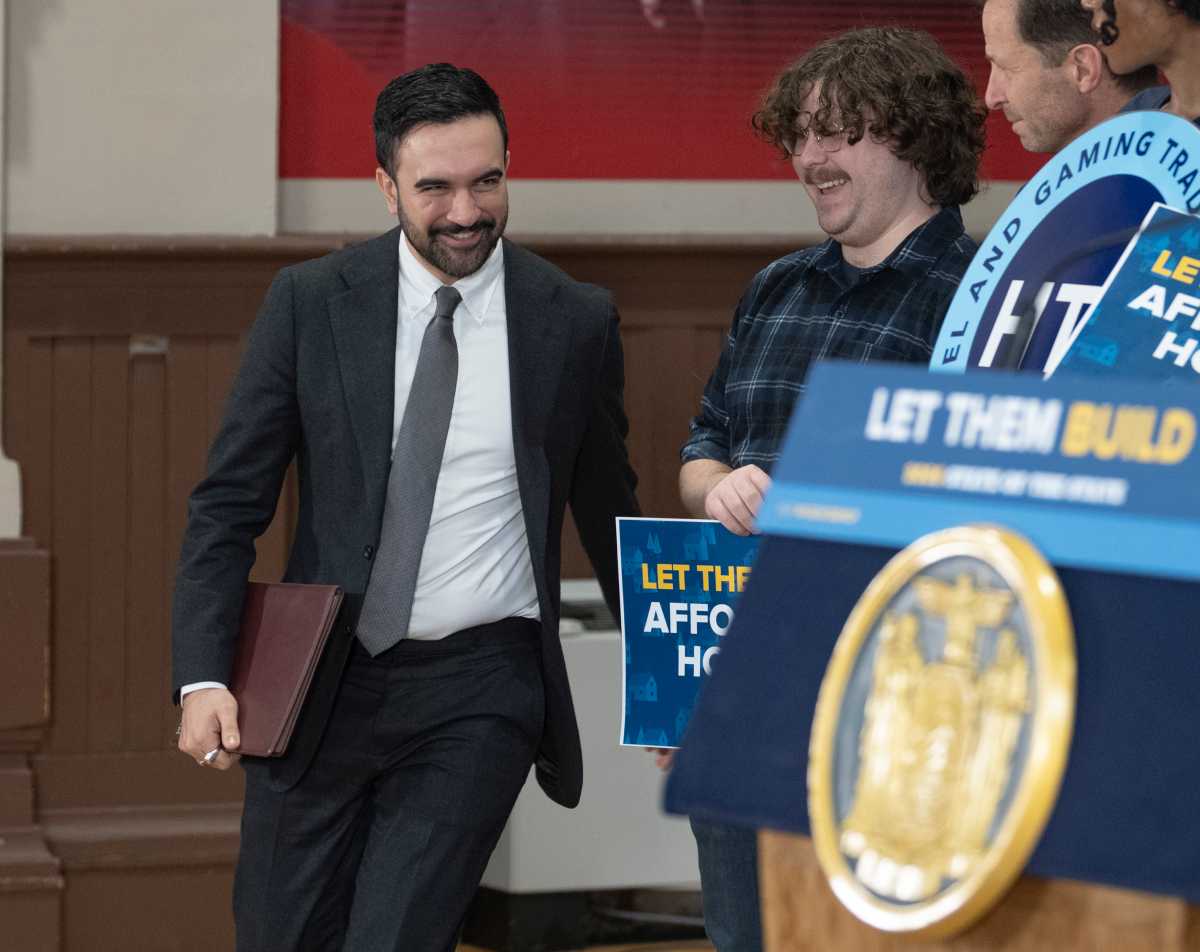

When Mayor Zohran Mamdani secured 51.5% of the Bronx vote in November following his primary upset, many supporters said they were drawn to his promises of affordable housing, faster and free buses and stronger protections for working-class New Yorkers.
In his first weeks in office, Mamdani has moved on several initiatives that directly affect the borough.
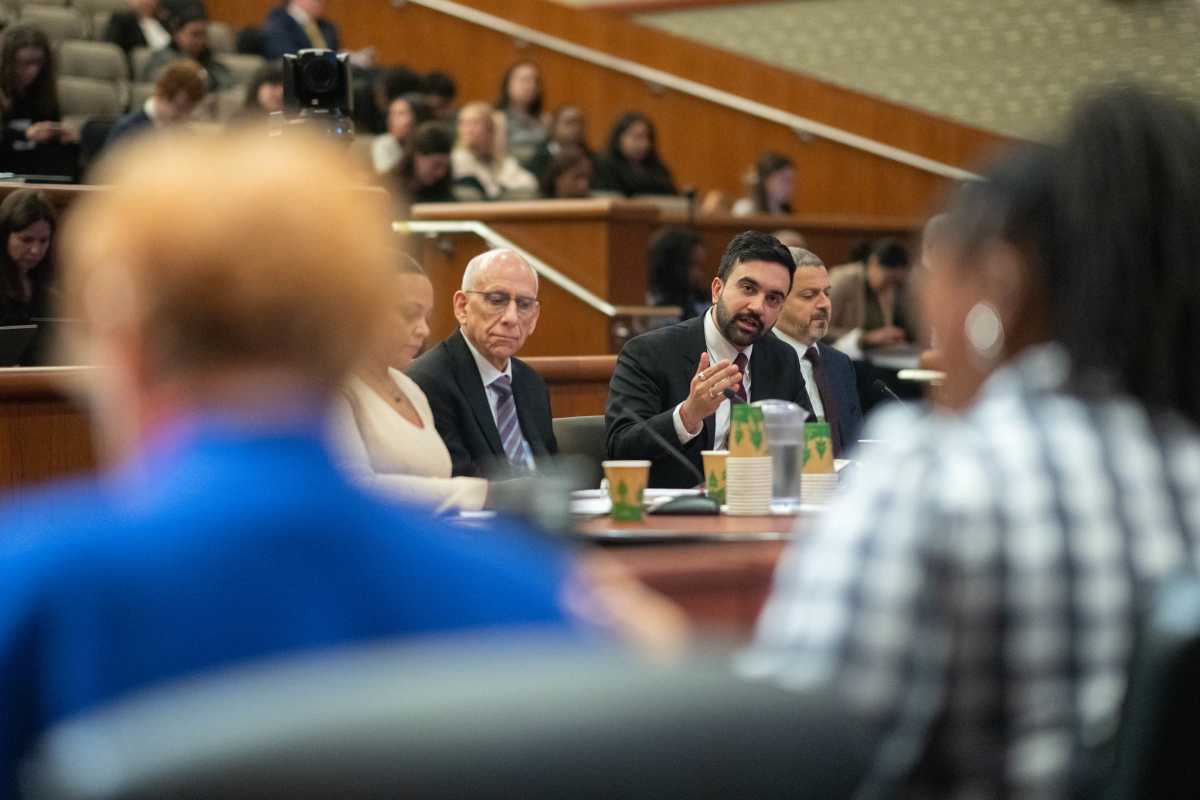
He revived the Just Home supportive housing project at Jacobi Hospital, a development that stalled last year. He advanced plans for new bus lanes along Fordham Road, one of the city’s busiest corridors. And through his “Rental Ripoff” hearings, he has pledged to bring city officials into the Bronx for public sessions focused on housing conditions and tenant protections.
Still, for many residents, 50 days is too soon to render a verdict.
Along Fordham Road’s busy bus corridor, the reaction was measured — and Bronx residents say it is simply too early to decide what kind of mayor he will be.
“I really don’t have any complaints so far. I just want to see how this plays out, personally,” Anthony Perez, 34, said.
Registered nurse Randy Brijlall, 29, who lives in Throgs Neck, said the mayor is “doing an alright job” so far. He appreciated Mamdani’s support of striking nurses at Montefiore and New York Presbyterian hospitals, but criticized the city’s response to Winter Storm Fern, saying roads in his neighborhood were left in poor condition.
“It wasn’t handled well,” he said.
Others said early signals from City Hall have felt promising.
Marquis Soto, 28, said Mamdani’s recognition of immigrants and efforts to shield the city from federal funding cuts have left a positive impression. Still, he said public safety remains a concern.
Rosemarie Rivera, 29, who volunteers at the Neighborhood Initiatives Development Corporation, said “so far he has created an atmosphere of inclusion.”
She added that she noticed changes in the city’s participatory budgeting process, known as The People’s Money, and that the groups she works with have found the funding process easier to navigate this year and feel they have greater access to resources.
“I feel that the change is positive.”
Across interviews, one theme emerged: residents are less focused on rhetoric and more on whether daily conditions improve — cleaner streets, safer blocks, better housing enforcement and stronger youth programming.
Community Boards echo similar priorities
Community board leaders across the borough say they are hearing many of the same concerns voiced by residents.
Etta Ritter, district manager of Community Board 3, said it would be “premature to render a definitive assessment” of the administration, noting that evaluations will depend on whether policies and resource allocations translate into improved quality of life.
Leonardo Coello, district manager of Community Board 4, agreed it is too early to tell but said boards are watching closely to see whether early investments and agency actions materialize on the ground.
Much of what boards field daily mirrors what residents described: sanitation complaints, housing issues, park maintenance and public safety concerns. For many district managers, those recurring issues come down to one thing — service delivery.
“We want city agencies to deliver the services that they are designated to do by the Charter,” said Rafael Moure-Punnett, district manager of Community Board 7. “That’s often what we get complaints about in this office.”
In Community Board 5, District Manager Ken Brown said street cleanliness and adequate Department of Sanitation resources remain top issues. In the East Bronx, Community Board 10 District Manager Matt Cruz said he continues to push for more staffing at the 45th Precinct, which patrols Co-op City, City Island, Throggs Neck and surrounding neighborhoods — as he has for more than a decade.
“I’m always hopeful that a mayor is going to give a listening ear to community districts,” Cruz said. “But it’s still very early on.”
Bronx Borough President Vanessa remains optimistic about the new administration and his ability to deliver to the borough
“I feel good about the Mamdani administration’s efforts to focus on the agenda he has established around affordability and making it easier for New Yorkers to live and raise their families in a city that grows more and more unaffordable,” Gibson said in a statement to the Bronx Times.
“Quality of life issues are always a top concern for our residents, and as Borough President, it is our priority to ensure their voices continue to be heard and that city services continue to work for them, especially amid a looming fiscal crisis.”
While no specific commitments have been made to her office since the preliminary budget, Gibson said her team will outline borough priorities at an upcoming hearing and continue conversations with the mayor’s executive team about support for the Bronx.
“I believe the mayor’s intentions are genuine and that he wants our city to succeed,” she said.
“He has a lot on his plate and a lot of priorities, but we look forward to continuing the conversation and working together on projects that will benefit the Bronx and align with our blueprint for the borough.”
“We don’t know if we are screaming loud enough”
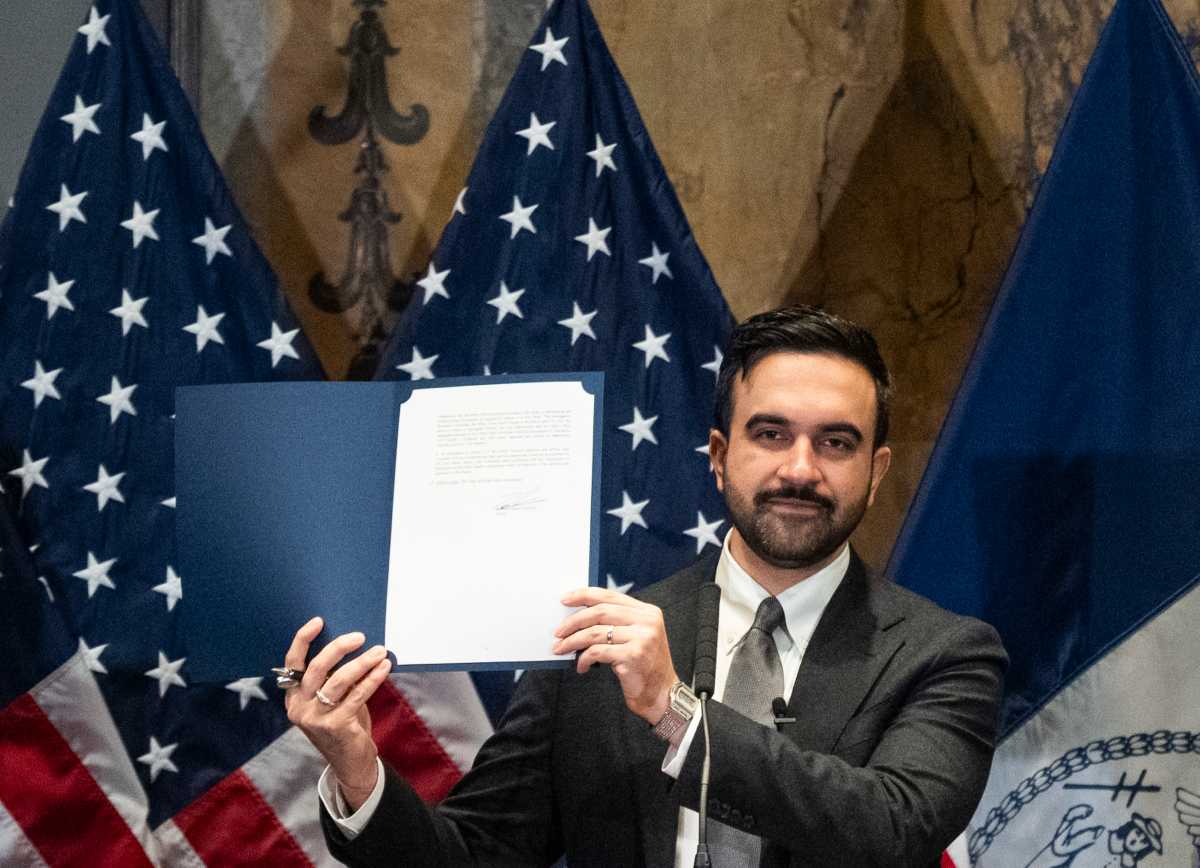
On his second day in office, Mayor Mamdani signed an executive order creating the Office of Mass Engagement, an effort to broaden and centralize how City Hall connects with New Yorkers. The order consolidates various public engagement functions, including the mayor’s Community Affairs Unit — traditionally the primary point of contact between City Hall and community boards — under one umbrella.
While the office will bring New Yorkers’ closer to the Mayor’s Office and create a direct line for public feedback it remains unclear how the reorganization will significantly alter communication between City Hall and community boards, who are expected to interface through the Office of Mass Engagement.
Cruz said community boards have historically struggled to break through bureaucratic layers at city government.
“Too many boards have had difficulty breaking through to city government,” he said. “We don’t know if that’s by design. We don’t know if we are screaming loud enough at a particular corner.”
Community boards, he added, were intended to serve as the starting point for neighborhood concerns.
“We want everything to begin at the community board level. Unfortunately, it has become a top-down process,” Cruz said. “We hope that this mayor’s administration is different, but it’s still very early on.”
Reach Marina Samuel at msamuel@schnepsmedia.com. For more coverage, subscribe to our newsletter and follow us on Twitter, Facebook and Instagram!