On June 18, the Department of Justice released a memo arguing that states aren’t required to provide home and community-based services that keep disabled Americans out of institutions.
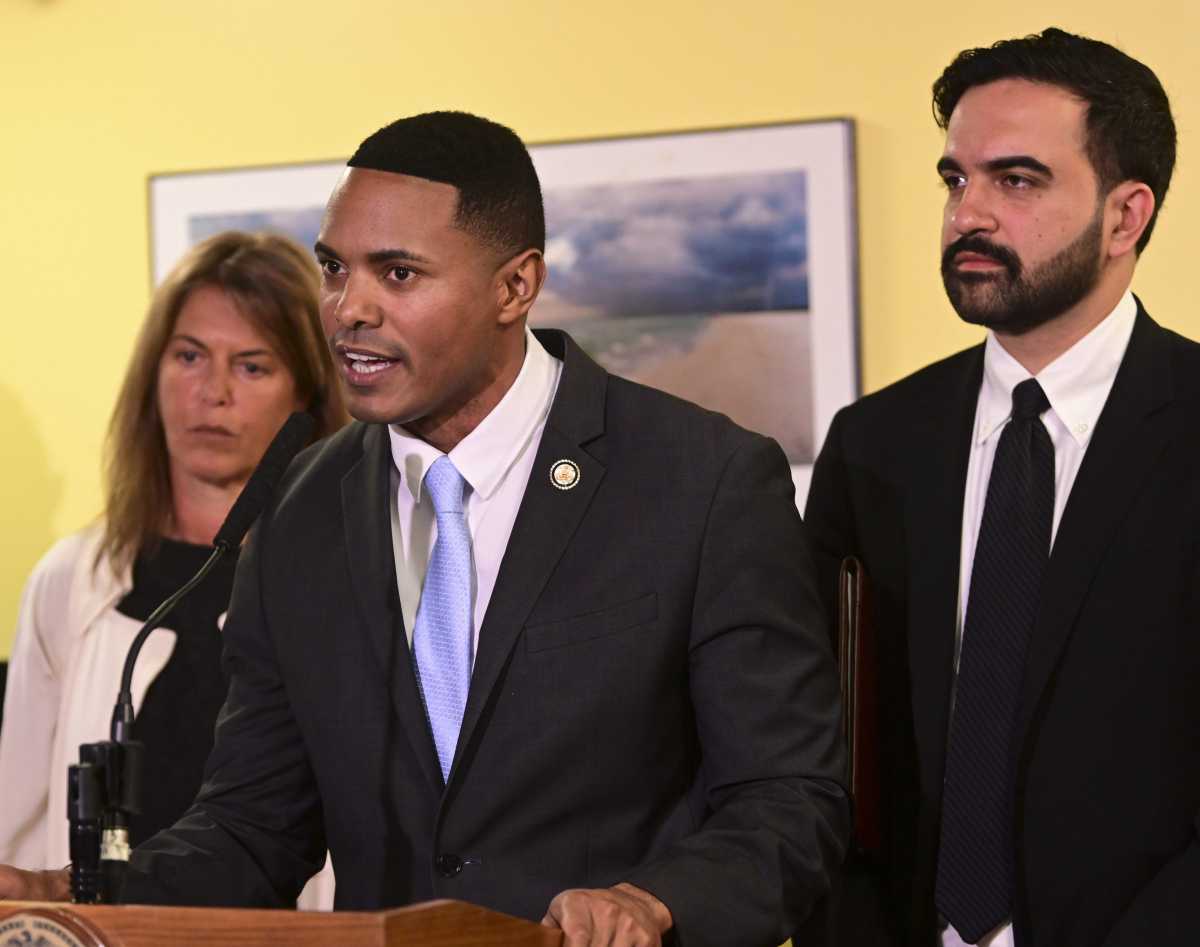
U.S. Rep Ritchie Torres, who represents NY-15, sent a letter to the Department of Justice (DOJ) today urging the department to reconsider its opinion.
“For many of the people I serve, access to integrated, community-based care can mean the difference between living at home, among family and friends they love, and risking unnecessary institutionalization,” Torres wrote.
“As states confront historic federal Medicaid cuts, this risks being read as permission to reduce home and community-based services and increase the risk of unnecessary institutionalization. Advocates warn the consequences could be severe, and decades of research show that access to high-quality home and community-based services can improve outcomes and reduce costs. This memorandum threatens to turn back the clock on decades of hard-won progress.”
Torres’ memo adds to a growing outcry from advocacy groups and elected officials across the country in response to the DOJ memo. Yesterday, Illinois Tammy Senator Duckworth introduced a resolution calling the DOJ memo a “deeply flawed opinion that rejects the integration mandate and threatens the hard-won progress towards full integration of individuals with disabilities into society in the United States.”
While the DOJ’s memo does not change the law, it re-interprets the Supreme Court’s landmark 1999 “Olmstead v. L.C.” decision, which limited states’ power to compel people to live in psychiatric and other institutions, such as nursing homes. Following the release of the memo, the Department of Health and Human Services took down its webpage on Olmstead and community living.
The decision may influence how the Departments of Justice and Health and Human Services work with programs that help disabled people live in their communities instead of institutions, and may be used by states to change their policies around institutionalization.
José Hernandez, a lifelong Bronx resident, was paralyzed after a spinal cord injury at Orchard Beach in 1995 a few months before his 15th birthday.
“As a person with a disability who has faced immense pressures from society that views us negatively, it’s kind of a slap in the face knowing that our federal government wants to erase 30 years of established advocacy,” he said, pointing to the 1990 “Capital Crawl” protest which pushed for the passage of the Americans with Disabilities Act.
After a month of hospitalization and three months of care in a rehab facility, he was discharged with Medicaid-funded 24-hour home care that helped him get in and out of bed, shower and function throughout the day.
That care afforded him the ability to get his high school diploma, he said. He went on to get an associate’s degree from Bronx Community College, followed by a bachelor’s degree from St. John’s University, all with the help of home and community-based services. He’s now the Advocacy and Policy Associate for the New York Association on Independent Living, an organization working to keep people with disabilities out of institutions.
“I want to be a productive member of society and I want to live it just like everyone else. The only difference is that because of my disability, I need help,” he said. “But I want to live my life just like you want to live your life. I have the same fears. I have the same insecurities. I have the same wants. I have the same needs. I just do it differently.”
“If I wanted to get my associate’s degree from Bronx Community College and I was in a nursing facility, that would be impossible,” said Hernandez, adding that accessibility and financial challenges make it hard for people to leave a nursing home or other institution once they’re institutionalized. “You’re in prison and your only crime is being disabled,” he said.
“We’re deeply concerned,” said Sharon McLennon Wier, Executive Director of Center For Independence of the Disabled, New York (CIDNY), an organization that provides community support services, subsidies, and legal support for people attempting to leave institutionalized care.
There are over 2 million people with disabilities living throughout the five boroughs, and most of them are trying to live independently in the community, especially in the Bronx, which has the highest population of people with disabilities, Wier said.
“What Olmstead did was give people hope the opportunity to be able to wake up when they want, to be able to take a shower when they want, to be able to go to the movies when they want and not to be on a schedule or be denied basic rights because someone said that they should be living a particular way because they have a disability. It’s more than just dollars. It’s about human dignity.”
Willow Baer, Commissioner at the Office for People with Developmental Disabilities, said that the DOJ decision does not immediately change any policies impacting New Yorkers.
“It’s certainly a disheartening moment for the disability community, not just in New York, but in every state,” she said, noting that the memo is simply an interpretation of the law and does not repeal the Americans with Disabilities Act, or the federal rules that implement the Rehabilitation Act of 1973 which prohibits discrimination on the basis of disability in programs conducted by federal agencies.
“In New York state, we are just as committed now as we’ve ever been to making sure that services are provided in as community-based a setting as possible,” Baer said.
“Nothing about this legal memo has changed the impact of that in New York state. We still are deeply committed to making sure that people have the most meaningful and most integrated life possible.”
Siddhartha Harmalkar is a student at the Craig Newmark Graduate School of Journalism. You can reach him at s.harmalkar08@journalism.cuny.edu.
For more coverage, subscribe to our newsletter and follow us on Twitter, Facebook and Instagram!