
The Bronx’s four Congress Members signed on to a Feb. 20 letter demanding answers from Con Edison about dielectric fluid leaks that end up downstream in the Bronx River.
In a letter to Con Edison CEO Timothy Cawley, Reps. Ritchie Torres, Alexandria Ocasio-Cortez, George Latimer and Adriano Espaillat called on him to answer to the frequency of leaks and the specific plan to monitor and prevent them.
The members requested a response from the company that includes “all relevant documentation related to Con Edison’s long-term infrastructure modernization plans, safety and communication protocols for this region.”
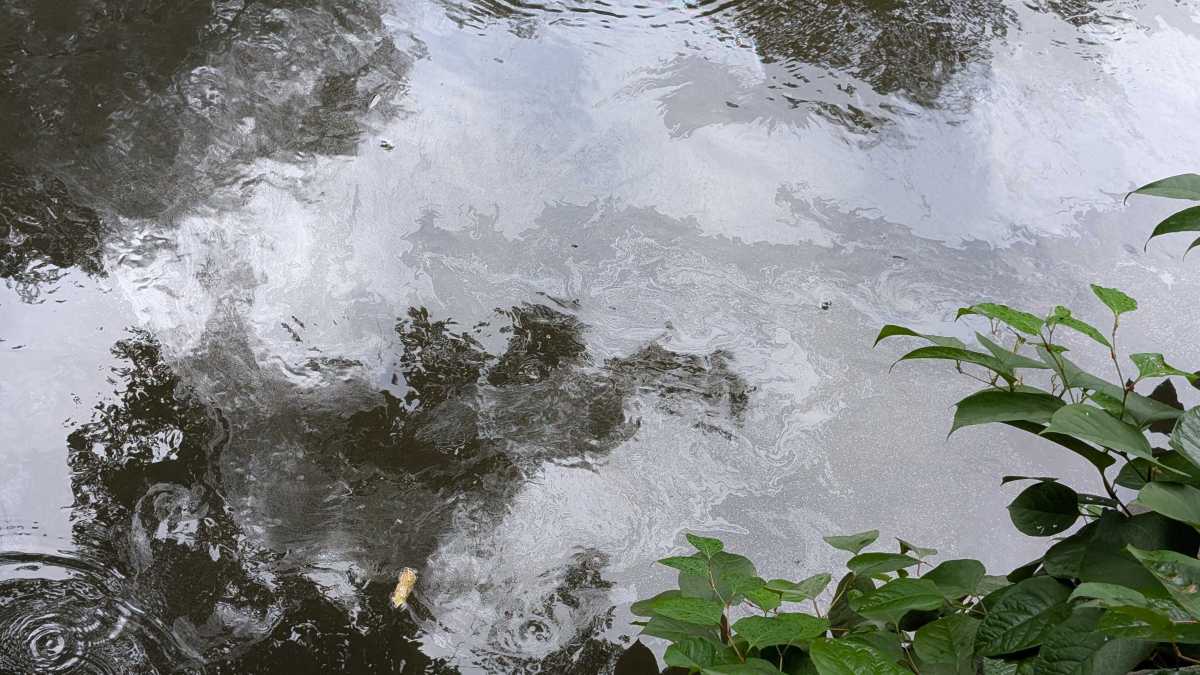
Last year, the nonprofit Bronx River Alliance documented 14 separate incidents of leaking dielectric fluid — pressurized mineral oil that insulates and cools underground electrical lines — into the river. These incidents have spilled thousands of gallons, leaving a telltale shiny residue, according to the group.
Over the years, organizations like the Alliance have made major progress in addressing decades of damage caused by the river’s past use as “an industrial power source, an open sewer, and a garbage dump.”
Restoration efforts have brought back wildlife and created clean waterways and parks for residents to enjoy.
But the fluid leaks, which originate in Yonkers and flow downstream due to aging Con Edison infrastructure, threaten to undo such progress.
In the letter, Torres, whose office wrote the letter, told Cawley that the situation “warrants urgent attention at the highest levels of your organization,” especially since the federal government has invested $50 million in river cleanup efforts.
“Repeated leaks of dielectric fluid threaten to undo years of hard-won progress and risk returning the river to a state we are determined never to revisit,” the letter said. “These incidents have understandably heightened concerns about the condition of Con Edison’s aging infrastructure, the adequacy of maintenance practices, and the transparency surrounding leak detection and response.”

In a statement to the Bronx Times, a Con Edison spokesperson said that the company “shares the concerns expressed in the letter and has worked with stakeholders to protect the Bronx River, a valuable natural resource.”
“We invest in our infrastructure to minimize environmental impact and have been recognized for our commitment to sustainability,” the spokesperson said. “When leaks of dielectric fluid occur, we respond immediately to stop the flow and begin cleanup of this non-toxic substance that is similar to a mineral oil.”
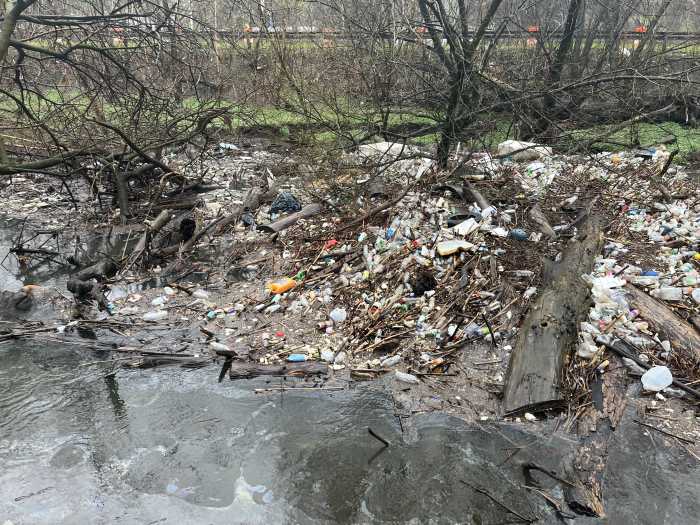
Siddhartha Sanchez, executive director of the Bronx River Alliance, said the organization is still examining the effects of the oily fluid — and the work required to clean it up — on human health, wildlife and the ecosystem.
He said while the alliance has typically maintained a positive relationship with Con Edison, including receiving funding, he has been disappointed by the company’s lack of communication around the leaks.
“We’re not hearing from them about these issues. We’re hearing from our partners,” Sanchez said, adding that the lack of transparency has led the organization to “take it to the next level for us.”
He said the Congress Members’ letter was effective at sounding the alarm about risks to wildlife and Bronxites’ health and safety — which include high stakes for Bronx River Alliance staff, who spend time in the water multiple times per week in the warmer months.
Sanchez said the organization wants to see Con Edison invest in third-party monitoring using technology that can detect leaks large and small. Currently, “If it’s not thousands of gallons, it may not be detected,” he said.
While the Alliance relies on Con Edison and generally supports greater electrification efforts, the company must be held accountable, Sanchez said.
“They know how far the river has come, how much the community has put into restoring this river, creating parks and creating greenways to contradict and counteract the history of poor planning and racist planning in the South Bronx,” he said.
For Con Ed to ignore the situation, “It doesn’t align with their history.”
Reach Emily Swanson at eswanson@schnepsmedia.com or (646) 717-0015. For more coverage, subscribe to our newsletter and follow us on Twitter, Facebook and Instagram!