Spring has sprung, which means new Bronx Zoo babies!
As the weather starts warming up, the Bronx Zoo has welcomed four new arrivals over the past few months: an infant collared lemur, a pygmy slow loris, a gelada, and a nyala calf. Some are still clinging tightly to their mothers, while others are already darting around their habitats.
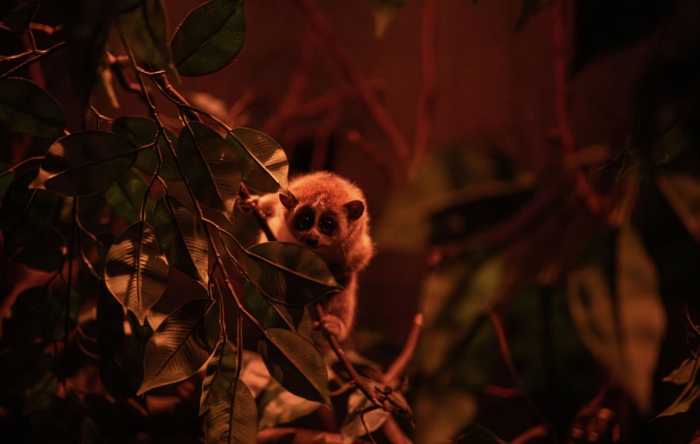
Among the most notable births is the pygmy slow loris, who was born in December 2025 and is the zoo’s first primate in the newly reopened World of Darkness exhibit.
The tiny nocturnal mammal, native to Southeast Asia, is part of a cooperative breeding program organized through the Association of Zoos and Aquariums’ Species Survival Plan (SSP), which helps maintain genetically diverse populations of endangered species in human care.
“The Bronx Zoo works with other zoos and aquariums accredited by the Association of Zoos and Aquariums on a cooperative pygmy slow loris breeding program, which works toward a goal of strengthening the genetic diversity of this population,” said Keith Lovett, Vice President and Director of Animal Programs at the Bronx Zoo.
At its most recent veterinary exam, the young loris weighed 346 grams and has become increasingly active as it grows. Visitors can now often spot the infant climbing branches alongside its family inside the immersive nocturnal exhibit.
The World of Darkness, which first opened in 1969 and reopened in 2025 after extensive remodeling, showcases 25 species that thrive in darkness. Its reverse light cycle allows guests to observe nocturnal animals during their naturally active hours.
Because of the exhibit’s carefully controlled lighting, flash photography is prohibited.
“Flash photography can be disruptive to animals,” Lovett explained, adding that most smartphone cameras can still capture the experience without flash.
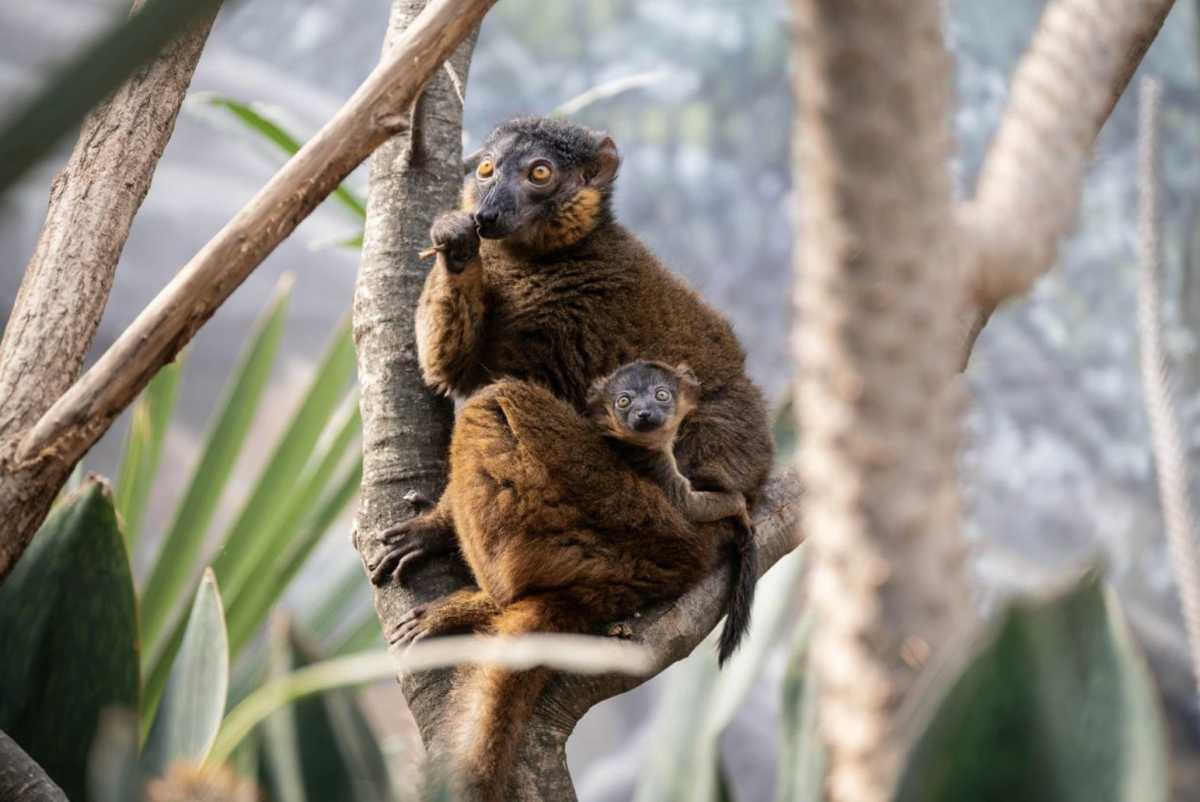
Elsewhere in the zoo is another endangered primate, the infant collared lemur, who was born in February 2026 and can now be seen instinctively clinging to its mother’s back inside the “Madagascar!” exhibit’s Spiny Forest habitat.
Native to the tropical forests of southeastern Madagascar, collared lemurs use their long tails for balance as they leap through forest canopies.
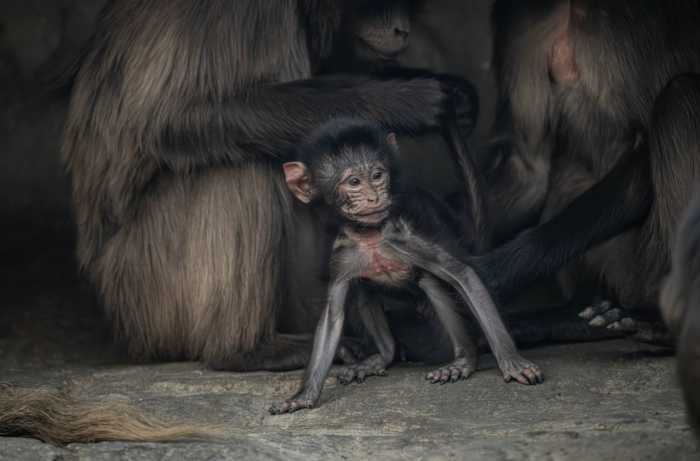
The Bronx Zoo is also celebrating the arrival of a gelada infant, born in December 2025. Often called “bleeding heart baboons” because of the red patch of skin on their chests, geladas are unique among primates because they are entirely ground-based, feeding primarily on grass.
The Bronx Zoo is home to the only breeding group of geladas in North America.
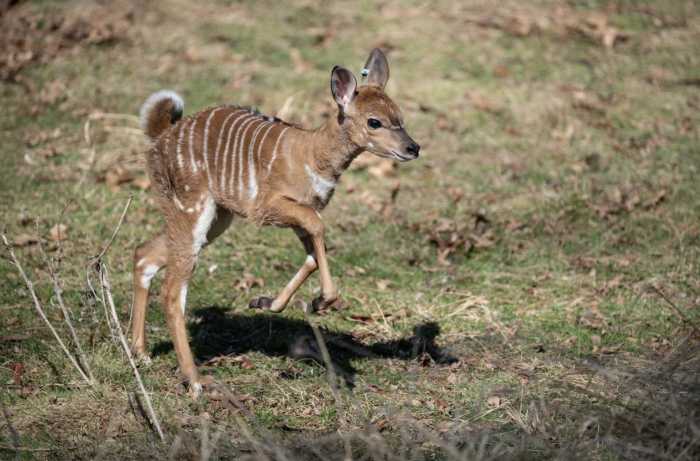
Meanwhile, the zoo’s African Plains habitat welcomed a nyala calf in February 2026, bringing the zoo’s nyala herd to 10 animals. Nyala are antelope native to southern Africa, recognizable by their white stripes and spots that help camouflage them in dense brush. According to zoo officials, more than 100 nyalas have been born and raised at the Bronx Zoo since 1939.
Spring is a natural time for many animal births because warmer weather and abundant resources create favorable conditions for survival in the wild, Lovett said.
Still, behind each birth is months of careful planning and around-the-clock attention from veterinarians and keepers.
“Our keepers and veterinarians are well prepared to provide best-in-class pregnancy and infant care to the more than 640 species at the Bronx Zoo,” Lovett said. “It’s always exciting for our animal care staff to welcome new babies.”
The births also highlight the zoo’s role in larger conservation initiatives. Through SSP programs managed by the AZA, institutions like the Bronx Zoo coordinate breeding recommendations to support sustainable populations of threatened species.
As the babies continue growing, their daily routines and dependence on their mothers will gradually start to change.
“As they grow, all of these mammal babies will eventually stop nursing from their mothers. The exact timeline of this varies based on the species and specific individual’s needs,” Lovett said.
For visitors, the newest arrivals offer a chance to witness some of the animal kingdom’s earliest milestones, from a lemur gripping tightly to its mother’s fur to a slow loris carefully exploring its dark habitat branch by branch.