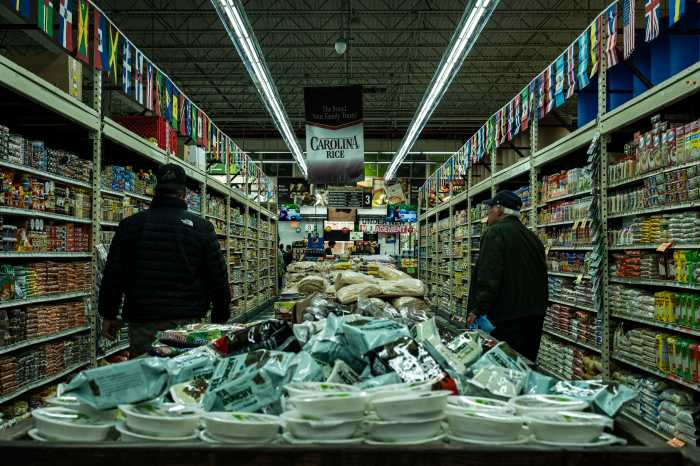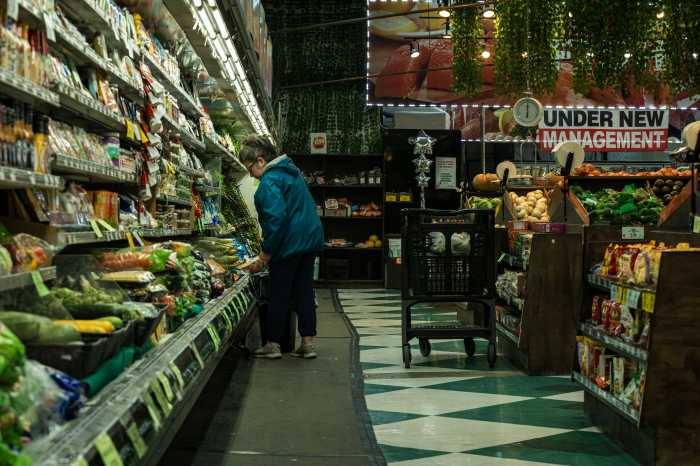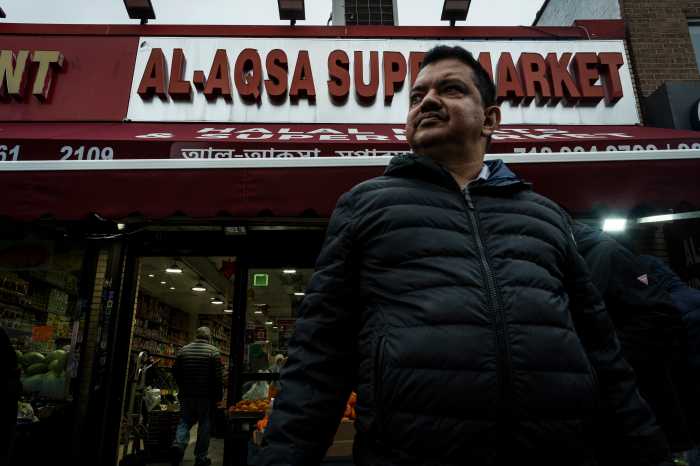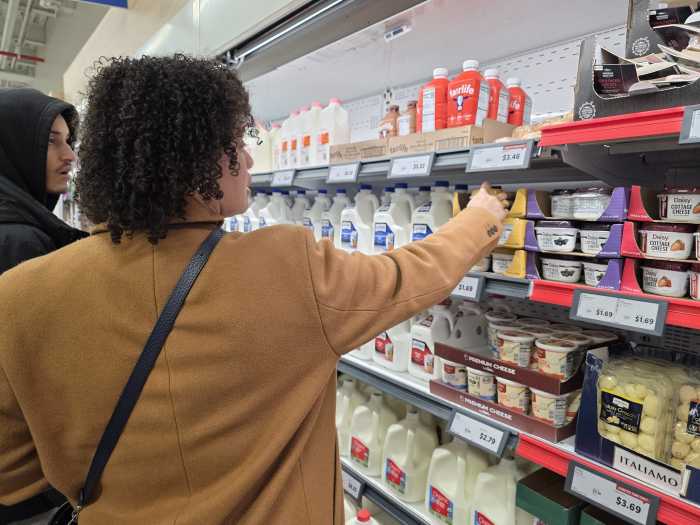

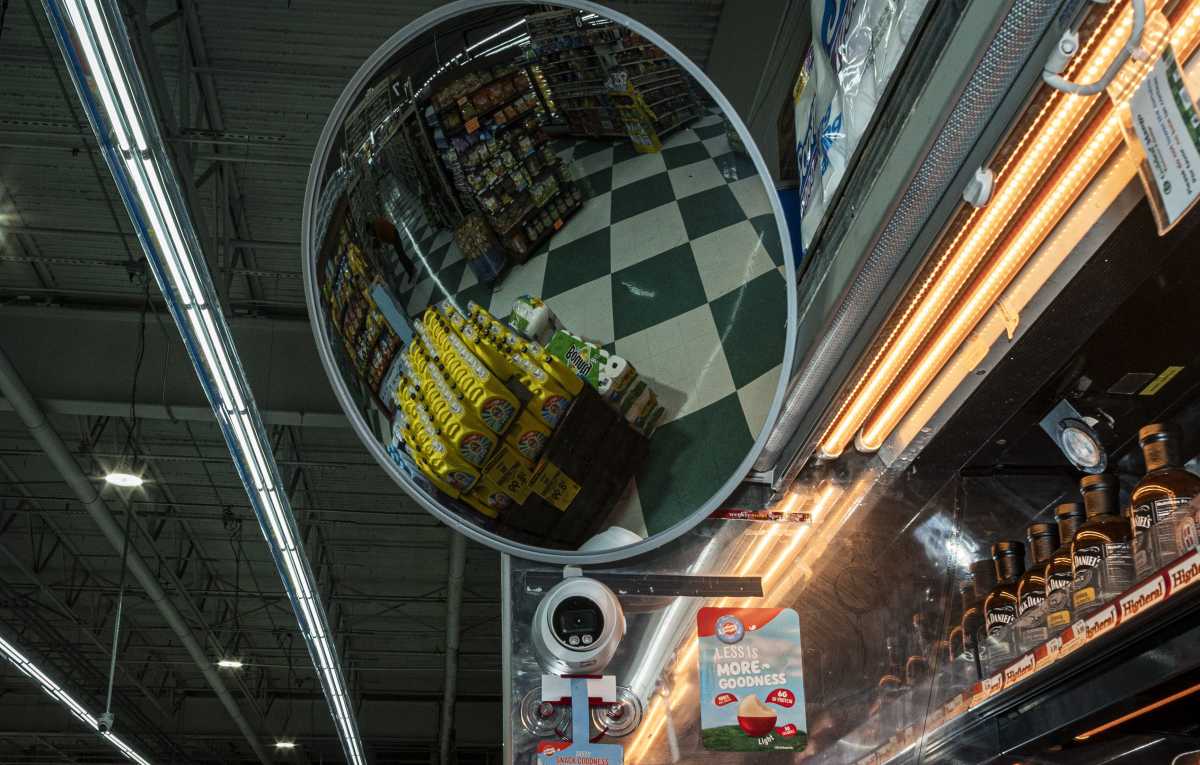
The Bronx, particularly the South Bronx, has long been called a “food desert.” But the shortage of full-service supermarkets compared to corner bodegas is a more nuanced part of that conversation.
Many Bronxites can get easily get a bacon, egg and cheese or a can of soda without leaving the block but have to travel much further for a bag of carrots. For instance, on the 0.7-mile walk to my preferred local supermarket, I pass 11 different bodegas.
The Bronx has the second-highest ratio of bodegas to supermarkets among the five boroughs, and Manhattan has the lowest, according to the Hunter College New York City Food Policy Center.
Many bodegas do offer some healthy items, and the Bronx has more than 300 supermarkets and bodegas recognized under the Shop Healthy program, which incentivizes businesses to offer and promote healthier options.
However, most residents do not actually buy fresh ingredients at bodegas. Only about 5% of residents primarily rely on bodegas to purchase fruits and vegetables, compared with 78% who use supermarkets for these items, according to a 2012 survey of Bronx food shopping habits.
Since then, the number of bodegas seems to have greatly outpaced the number of full stores.
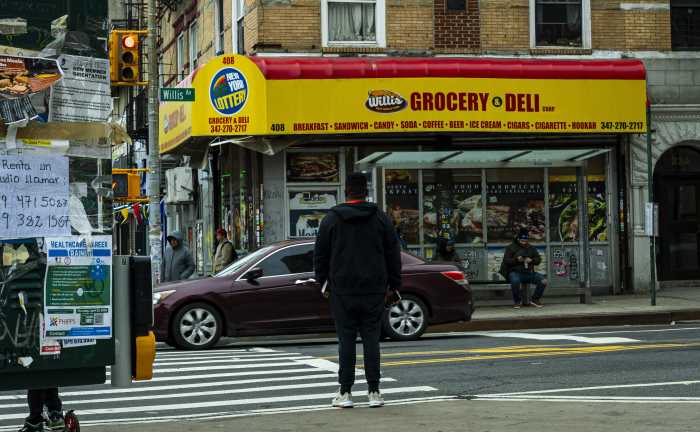
The 2012 study reported 10 bodegas to every one supermarket in the West Farms and Fordham neighborhoods. But in the Bronx today, 10-to-1 represents the low end.
Today, Fordham/University Heights has 20 bodegas for every supermarket, and several Bronx neighborhoods have even higher ratios — topping out with Belmont/East Tremont at 37-to-1.
Since 2008, tax incentives under the Food Retail Expansion to Support Health (FRESH) program have put more than 30 new food markets within walking distance of 1.2 million New Yorkers who were previously underserved.
For instance, the Food Bazaar at 238 East 161st St. and SuperFresh at 459 East 149th St. were among the new stores created by the FRESH program.
But in those neighborhoods and others, bodegas still far outnumber supermarkets. Highbridge and Concourse, where the new Food Bazaar is located, is 18-to-1, and Mott Haven and Melrose, home to the new SuperFresh store, is 25-to-1.
Some advocates say that since the private sector hasn’t yet created enough supermarkets, it’s time for the city to do more.
“Access to quality, affordable, local supermarkets are essential element of any neighborhood’s food ecosystem,” said Liz Accles, executive director of Community Food Advocates, in a statement to the Bronx Times.