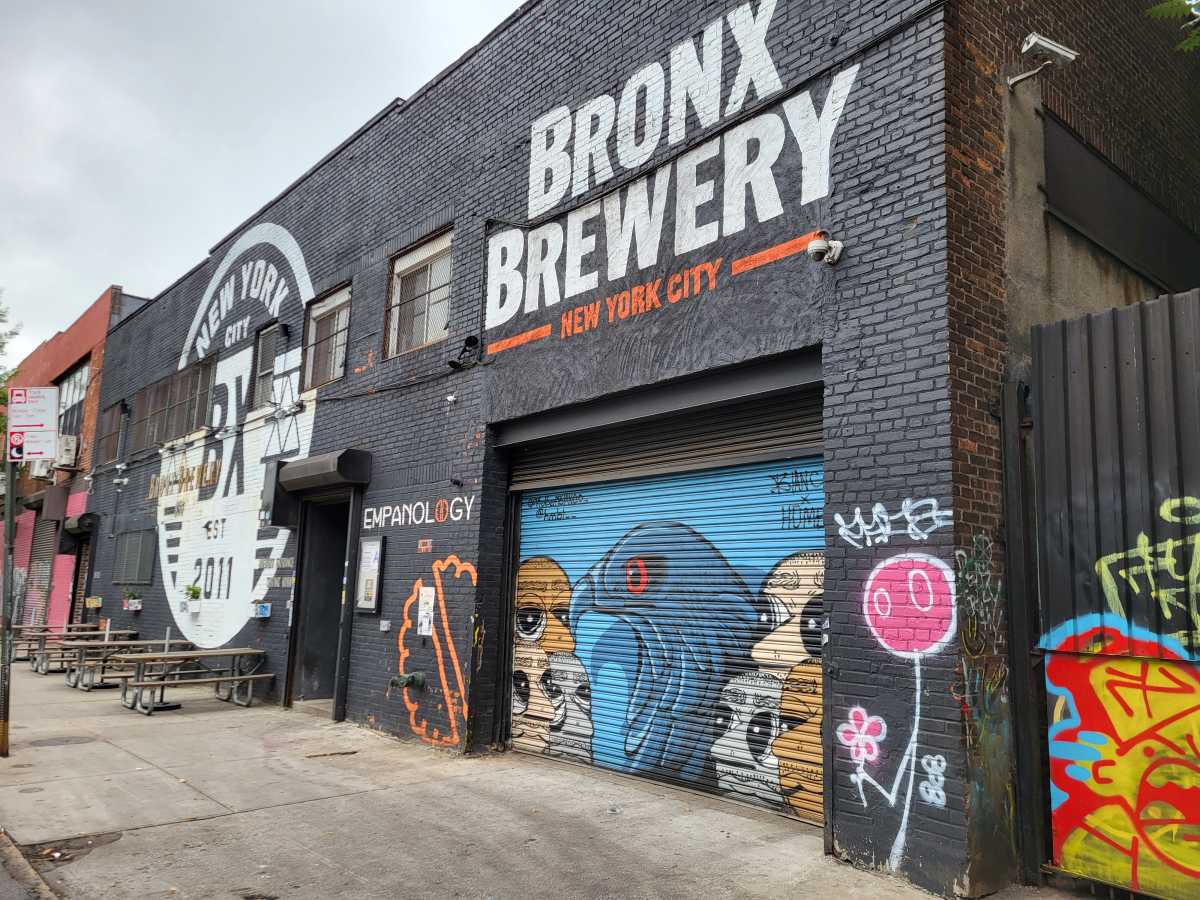
When news of the Bronx Brewery’s closing flashed across my screen late Thursday night, I moved through the bitter stages of sudden loss I’ve come to recognize: denial, anger, bargaining and the quiet sadness that follows. The final one — acceptance — still eludes me.
For many, the shuttering of BXB’s South Bronx taproom will register as another business headline: rising costs, shifting markets, the revolving door of New York City storefronts. Things open, things close. The city moves on.
But for those of us who live and work in the Boogie Down, cultural spaces do not function as ordinary businesses, even when they operate inside one.
Since opening its doors in 2013, BXB offered something increasingly rare: a place where you could belong.
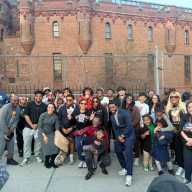
On any given week you might find DJs spinning, vendors building their brands, coworkers grabbing a drink after work, first-time performers testing their voices and regulars who came not for a specific event but for the reliability of familiar faces.
What made the space valuable wasn’t the beer. It was permission — a place to simply be.
In the Bronx, a borough rich in culture yet under-resourced in arts infrastructure, places like this evolve from brick-and-mortar businesses into informal public institutions. They absorb roles we no longer consistently fund: arts incubator, networking hub, youth pipeline, community center.
As one DJ described it, BXB had “the qualities of a true third space: welcoming, affordable, and somewhere you could spend time without pressure to constantly buy something.”
I’ve watched artists step up to a microphone for the first time in rooms like this and return months later as featured performers, and years later as working professionals. My own projects followed that same path — ideas tested casually that eventually developed into funded work — not because the space promised success, but because it allowed risk without consequence.
Consistency turns participation into possibility. One regular described it as “a space that let me be fearless in different seasons of my life,” where she later watched her daughter inherit that same ease.
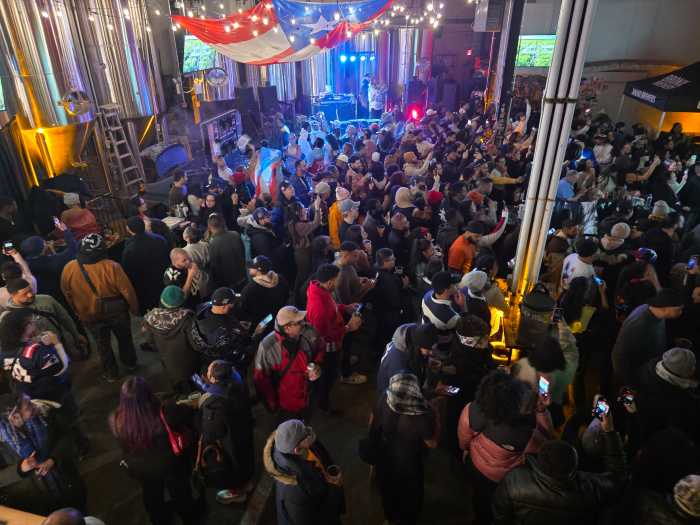
For LGBTQ+ residents in particular, predictability carries extra weight. Safe spaces must be accepting, but they also need to be reliable — confidence the door will still exist next month. One regular told me he found his “queer joy — hip-hop, Bomba, house, salsa — dancing through heartbreaks and promotions alike.”
In boroughs with limited nightlife and gathering options, spaces that consistently welcome queer events become more than venues; they become anchors. Their importance is measured less by branding than by practice — showing up again and again and finding the room still there.
And this loss is not isolated. Within the same stretch of the borough, longtime fixtures like the Dallas BBQ on Fordham Road and El Maestro have also closed.
Different crowds, different purposes, yet they served the same social function: meeting places, landmarks and havens. When multiple gathering spaces disappear at once, the issue is no longer nightlife or dining trends but whether a community can sustain routine, memory, and connection.
So what happens now?
When a space closes, nothing dramatic collapses overnight. The Bronx remains rich in talent, initiative, and culture — but short on stable, inclusive spaces where those qualities can regularly come together.

Cultural life depends on consistency: the same night each month, the same casual invitation, the trust that somewhere will still exist next week. Remove enough of those anchors and people do not stop gathering or creating; they simply do it elsewhere, often farther away and less often together.
The scene will persist. Artists are resourceful and audiences will migrate, but small pathways vanish: the vendor’s first customer base, the poet’s first audience, the organizer’s first volunteers, the neighbors who would have otherwise learned each other’s names. Opportunity becomes quieter and less local.
A borough becomes a place people live rather than a place they share. So how do we respond to this latest cultural disruption in the Bronx?
Part of the answer belongs to policy, part to business, and part to community. But it begins with recognizing what we are actually losing: not a brewery, not a restaurant, not a single venue, but the conditions that allow strangers to become neighbors and artists to become icons.
Acceptance, in this case, does not mean indifference. It means deciding that places like this matter while they still exist.