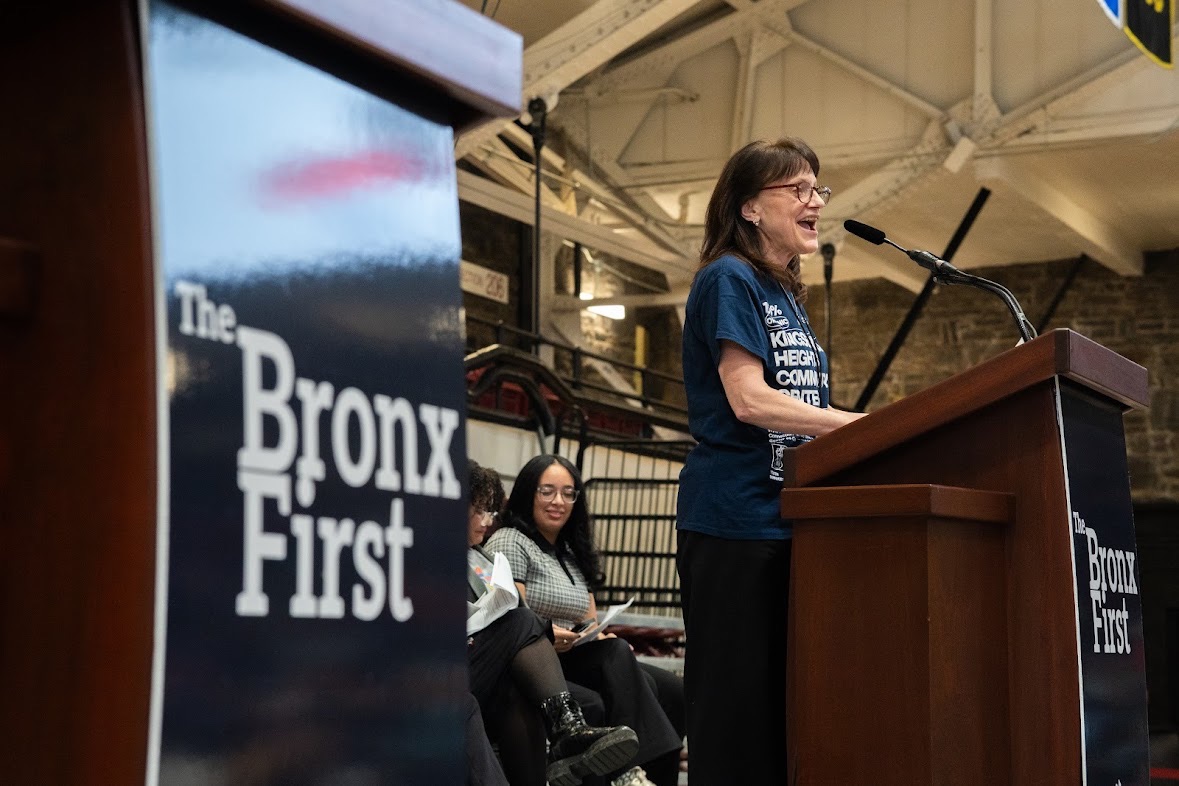
As a longtime Bronx resident and CEO of Kingsbridge Heights Community Center, I’ve watched our borough struggle under a mental health crisis many seem unwilling to acknowledge. The Bronx has among the highest rates of depression and serious psychological distress in New York City, the fewest mental health providers, and the lowest rate of people getting help.
In 2024, the Bronx ranked 62nd out of 62 counties in New York State for health. Only 43% of Bronx residents in mental distress find resources—far lower than Manhattan (69%), Staten Island (71%), Brooklyn (61%), and Queens (54%).
While Manhattan has 150 psychiatrists per 100,000 residents, the Bronx has just 18.7. And in 2023, the Bronx had the highest rate of psychiatric hospitalizations across NYC.
I’ve seen what this means personally alongside friends and family members searching for care that meets them where they are— culturally, linguistically, financially. I’ve felt the fear and frustration when the right kind of help just isn’t available or affordable.
These gaps don’t exist in a vacuum. The Bronx has the city’s highest poverty rate (27.9%), according to the Furman Institute at NYU, the lowest educational attainment, and the most severe housing crisis — 14.3% of households are overcrowded.
In 2024, over a third of the city’s shooting incidents occurred here. These conditions actively damage mental health.
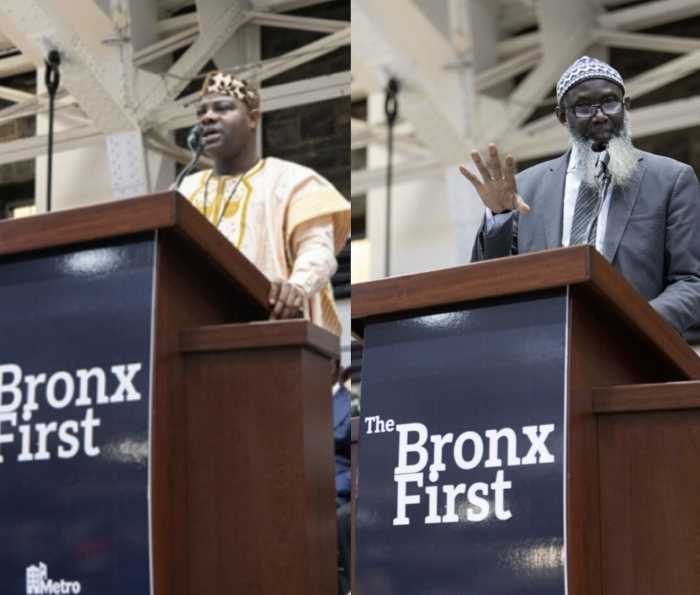
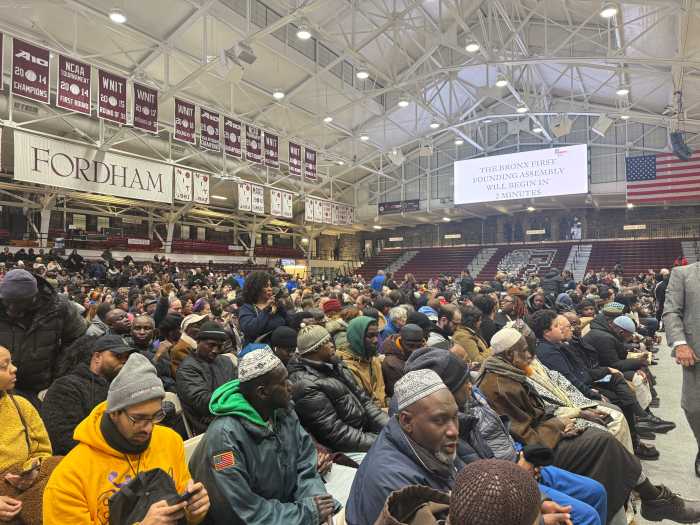
Tired of this perfect storm of stress, we recently joined fellow Metro IAF affiliates in East Brooklyn, Queens and Manhattan and launched a new power organization, Bronx First.
Crisis response is important — but then what?: Responding to our Metro IAF allies, the incoming administration has agreed to fund and expand community-based crisis interventional teams and centers in each borough. That’s a great start. People experiencing acute crises deserve skilled intervention.
But what happens after the crisis is resolved?: Who follows up the next day, the next week, the next month? If we’re only showing up when someone is at their most desperate, we’re building an emergency response system that activates late, offers little, and then loses track of the person in need.
Two crises, one broken system: The visible crisis of people in acute distress on our streets, coupled with the quieter crisis of so many Bronx adults and children living with anxiety, depression, trauma and stress combine to make daily life a struggle for so many of our neighbors and friends. When they reach out, they hit walls: insurance that won’t pay, unavailable providers, language barriers, stigma.
Beyond crisis response: building a continuum of care. The Bronx needs mental health care in the places people actually live their lives — schools, childcare centers, community organizations and supportive housing. And we need the full range of services: early intervention and prevention, accessible outpatient treatment, crisis response when necessary and intensive ongoing support that addresses not just mental health symptoms but also housing instability and economic stress. All delivered affordably and in the languages we speak.
Community wisdom and power: The Bronx’s greatest asset is its deep network of diverse community institutions—churches, mosques, settlement houses, community centers, and nonprofits. These are trusted spaces where early intervention happens, where stigma breaks down, where healing begins.
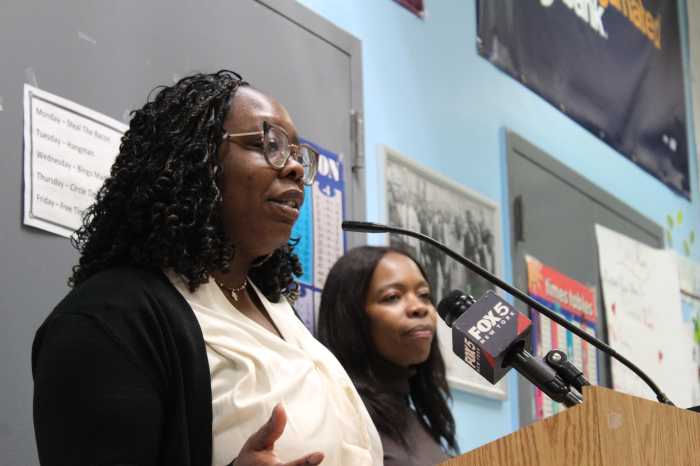
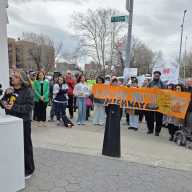
The new Bronx First, Metro IAF coalition of over 50 institutions reflects our borough’s remarkable diversity and leadership. We’re holding listening sessions across communities, asking: What mental health care challenges are you seeing in your neighborhood? What does your family need? What solutions can you imagine?
We’re gathering voices of elders, pastors and imams, parents, young people — the wisdom keepers who know what it takes to thrive here. Then we’ll turn those voices into demands: city and state investments in culturally grounded care that meets people before crisis hits.
Through Bronx First, we intend to build a comprehensive plan that serves people at every stage — from prevention through crisis and recovery. The Bronx deserves a complete continuum of care — in every language we speak, in every neighborhood we call home. Together, we can build it.
Raye Barbieri is CEO of Kingsbridge Heights Community Center, a founding member of The Bronx First coalition.