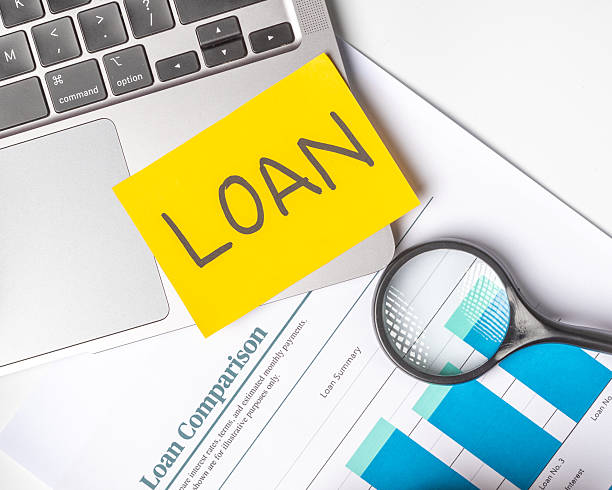
For many business owners, the word “loan” is intimidating and overwhelming. The word alone conjures up images of endless paperwork, stress and rejection. However, access to capital is far more than paperwork and interest rates.
The Bronx Economic Development Corporation wants to ensure that our small businesses are ready to take out a loan long before it is necessary. Loan preparedness is year-round work and we want to ensure our businesses are ready at all times.
What does it mean to be loan ready and why is it important?
Loan readiness, or loan preparedness, refers to a small business’s ability to apply for and secure funding by demonstrating financial strength, creditworthiness, and compliance with other lender metrics. The importance of loan readiness cannot be overstated.
Oftentimes, business owners don’t look into loan requirements unless there is an urgent need for capital. At which point, they must begin the process of loan readiness and hope they can secure funding in time to manage the financial hardship.
Business Foundation
A strong business foundation begins with defining your business and the purpose of the financing you seek. This also means having your legal documents in order such as formation documents, EIN confirmation, proof of lease or site control and franchise agreements, if applicable.
Ownership and Personal Financial Readiness
Lenders seek to evaluate the financial strength and background of all owners with 20% or more ownership. This includes personal financial statements, the last three years of tax returns, a resume highlighting relevant experience and full disclosure of any liens, judgments or pending legal matters.
Business Financial Strength
Demonstrating business financial strengths includes providing the last three years of business tax returns, year-to-date profit and loss statement (within 90 days), current balance sheet, accounts receivable and payable aging reports and three-year financial projections.
Use of Funds Clarity
A clear detailed breakdown of funds lets the lender know exactly how the funds will be allocated and how the loan supports your growth plan. The breakdown should include vendor or contractor cost estimates (if construction/equipment), a capital equipment list (if purchasing machinery) and real estate contracts, appraisal and environmental reports (if purchasing property).
Job and Community Impact
Lends and partners also consider the broader impact of your business. Providing a current employee list (positions and salaries), the number and type of jobs to be created and a clear explanation of how funding strengthens your operations, helps demonstrate your business’s economic viability and community value.

Participation and Compliance
Lastly, participation and compliance documents ensure your application meets regulatory requirements. This may include a bank participation letter (if applicable), a VENDEX questionnaire (if required) and an IRS Form 4506 (tax transcript authorization).
In today’s economic landscape, access to capital can be the difference between surviving and scaling up. But capital goes to those who are ready for it. Loan readiness is not a last-minute checklist — it’s a discipline.
Winston Peters is the interim President of the Bronx Economic Development Corporation.