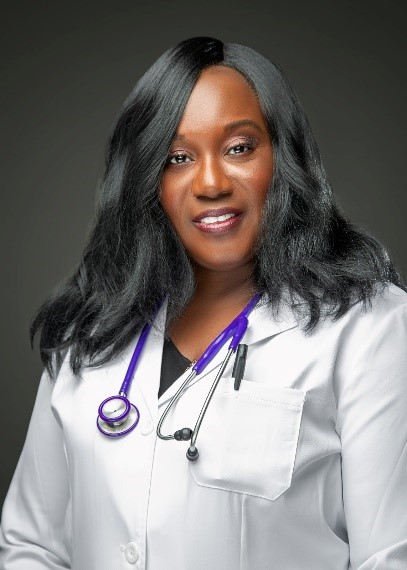
Black women in the United States are three to four times more likely to die in a pregnancy-related death compared to white women according to Dr. Chinyere Anyaogu, the deputy chief medical officer at Jacobi North Central and an assistant professor at Albert Einstein College of Medicine.
In the Bronx, the disparities are even more severe due to high rates of chronic diseases, environmental hazards and socioeconomic barriers that disproportionately affect Black residents, according to data from the National Institutes of Health.
While training at New York Health + Hospitals, Anyaogu developed a strong commitment to caring for and serving underserved communities and improving maternal health.
“There were disparities in health outcomes within different populations. Black women had worse outcomes in health and even personally, I was like, I have to engage in my reproductive history so that I decrease the likelihood of me having high risk,” she said.
According to the NIH, the risk factor for Black women in the United States to face pregnancy related complications or death is very similar to the risk of those in developing countries.
To address this concerning issue, former Borough President Ruben Diaz Jr. launched the Black Maternal Mortality Task Force in 2020 to pinpoint the specific challenges experienced by young Black women in the Bronx before, during and after childbirth –; to provide better understanding of the disparities within the borough.
Dr. Anyaogu was among almost 40 other physicians and leaders of color rallying the task force.
During an October 2021 meeting, each of the members came up with a list of strategies and recommendations to combat Black maternal mortality rates in the Bronx.
One of the best recommendations was the formation of the Bronx Maternal Health Consortium, the targeting of racial bias in hospitals, improving health coverage and access to care services by making doulas and midwives more readily available and accessible and addressing communication barriers within hospitals through increased interdepartmental awareness.
It has been six years since the task force was formed, and while maternal mortality rates have declined for white, Hispanic and Asian American women, Black mothers still die at a rate of about 50 deaths per 100,000 live births each year, a troubling statistic that has not seen improvement in decades.
A 2025 report regarding the creation of a birthing center in the Bronx by the office of Bronx Borough President Vanessa Gibson, found that the maternal mortality rates for Black women in the Bronx were way higher than the New York State average.
Anyaogu told the Bronx Times that the most important means of addressing the gap is communication and meeting patients where they are.
“When we get good at this skill and pass it on to the next generation, we have a series of trained people who can carry on being able to give quality care to repopulation, especially here in the Bronx,” she said.
In order to address barriers of communication within hospitals, it’s essential that everyone feels part of a team, including the mother, Anyaogu said
“Sometimes the problems are complex, and they’re systemic, and you require multiple collaborations to address things,” she said. “It’s not just you taking care of the patient, it’s the team taking care of the patient.”
Anyaogu added that adequate training allows the physician and all members of the health team to ensure that everyone is invested in the birthing process — including the mother — and that all parties are aware of any underlying conditions.
High profile cases such as the deaths of Christine Fields in November 2024 and Sha-Asia Semple in July 2020 have also raised concerns around maternal care in NYC, as Black women are 8 to 12 times more likely to die in the city compared to white women.
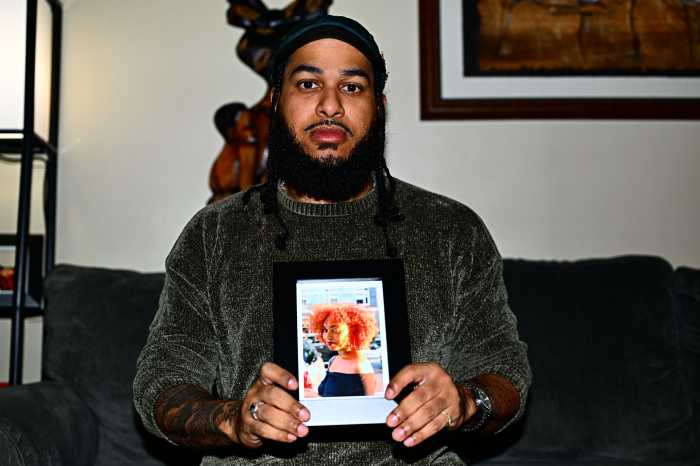
In April 2020, Amber Rose Isaac, a Bronx mother, died after tweeting about sharing her experience in “dealing with incompetent doctors” while pregnant in the Bronx.
Isaac died due to complications from HELLP Syndrome, a rare, life-threatening pregnancy complication affecting the blood and liver. Her death could have been prevented had she been diagnosed and treated sooner, her fiancé said in an interview with the Bronx Times.
Black women are very aware of the systemic lack of care that they receive upon going to the hospital with any issue, not just while pregnant, a survey conducted by the Kaiser Family Foundation found.
Cases like Issac’s highlight the troubling fact that Black women don’t receive the same treatment that white women do. It highlights that the medical system that is supposed to protect them, has continuously failed them for decades.
Anyaogu said that other issues do persist preventing Black women from receiving adequate care like language barriers, lack of access to reliable transportation, difficulty attending appointments or getting a referral and misunderstanding instructions that are given.
Addressing these issues, she said, means bringing in translators, organizing family conferences, taking more time to explain what the issue is, or simply sitting with the patient and listening.
“I think it’s important to do as much as possible, to ensure that adequate communication exists and aside from that, also facilitate interventions when it’s looking like you’re not getting to where you want to go.”
As a Black medical leader, Anyaogu said that she is really passionate about mentorship and collaboration. She believes that diversity within healthcare is an important factor in improving health outcomes.
“When patients see themselves in the provider team and the provider team sees themselves in the patient, that will help to address inequities that have occurred over the years,” she said.
After more than two decades in her field, Anyaogu said what keeps her motivated to continue doing the work that she does, is a belief that her work makes a difference.
”Part of the reason as healthcare providers we’re out there is to help people, help people and make them better. Knowing that this could help someone and make them better, it makes it easier to go to work every day when you like what you do,” she said.
Anyaogu encourages young people that may be interested in getting into medicine to keep a learning mindset and remain persistent.
“It’s a constant learning process and sometimes there are things that are within your control and sometimes there are things that are without,” she said.
“As long as you look at the best outcome for the patient as the true north, you can provide [the best possible care] for the patient.”
Karizma Jernigan is an intern at the Bronx Times. For more coverage, subscribe to our newsletter and follow us on Twitter, Facebook and Instagram!