
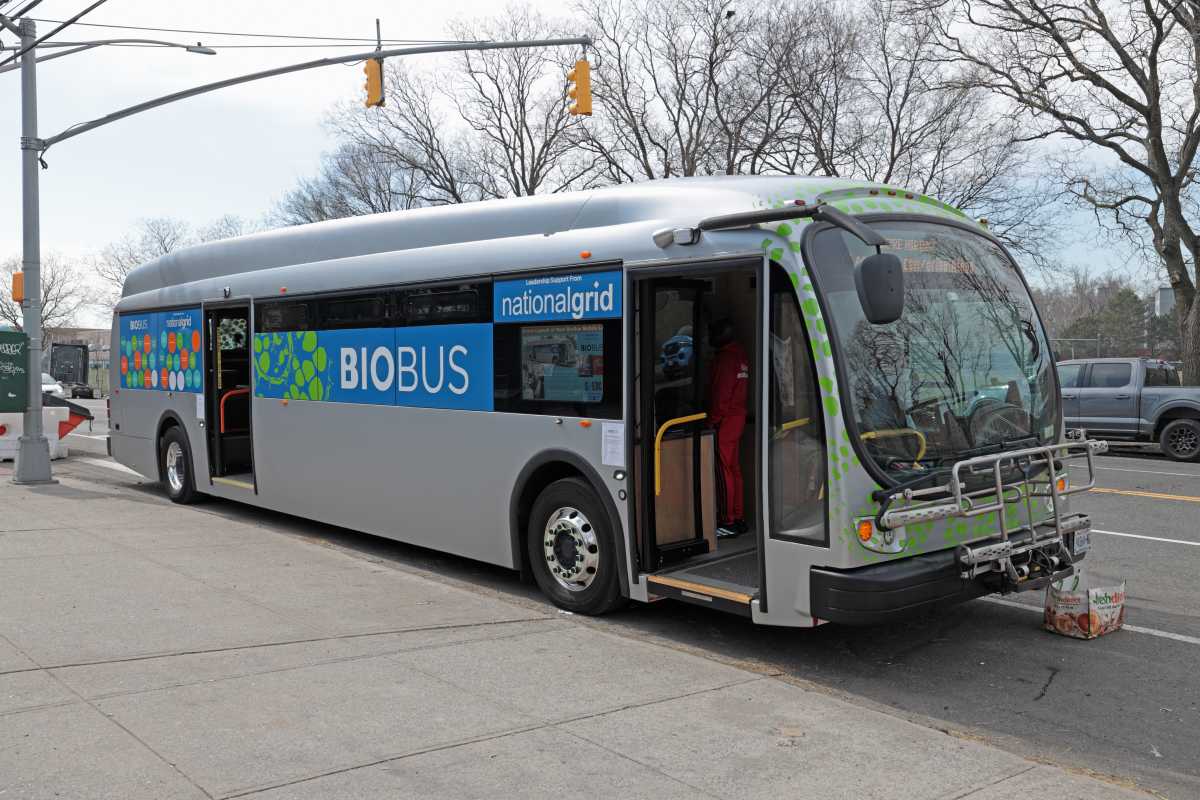
BioBus launched a new fully electric mobile science lab, expanding hands-on STEM opportunities for students across New York City.
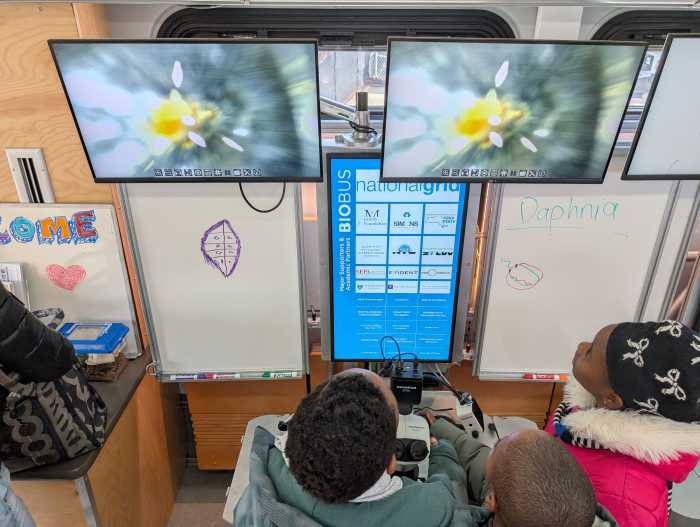
The new bus is the third in BioBus’ fleet, increasing its capacity to reach more schools and communities. It is equipped with high-powered microscopes, screens that display what students are viewing and is ADA-accessible for wheelchair users.
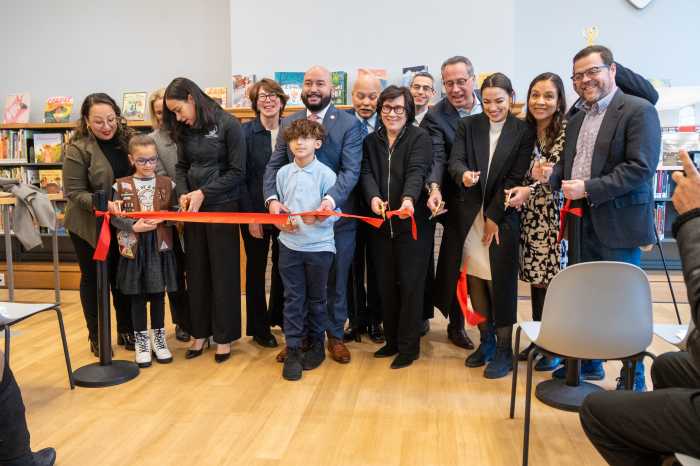
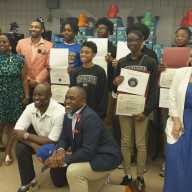
The launch, held at Wiz Kids Books Before Basketball in Baychester, was attended by founders Latasha Wright, Ph.D., and Ben Dubin-Thaler, Ph.D.; State Senator Nathalia Fernandez; and representatives from the New York City Economic Development Corporation and the offices of Assembly Speaker Carl Heastie, Assemblymember Michael Benedetto, Landon Dais, George Alvarez and Public Advocate Jumaane Williams.
Founded in 2008, BioBus brings lab-based science education directly to K-12 students, with equipment like lab-grade microscopes and sessions led by working scientists. The organization also offers paid internships, supports student research projects and mentors younger students.
“Our vision for BioBus is to make sure that science, that everyone knows that science is for everybody, and that it makes science accessible,” Wright said.
“We want to be able to show science that it’s about curiosity, asking questions, and thinking about things that you don’t know, and finding the joy in finding out stuff. And bringing this to communities that might not have access to this otherwise,” Wright added.
Since its founding, BioBus has reached more than 443,000 students at over 1,000 schools and community organizations. Its programs primarily serve public and charter schools in the Bronx, Harlem and the Lower East Side, as well as schools in Boston. About two-thirds of the schools served are in low-income communities.
“Our goal is to build New York City as a destination of choice for science and innovation globally. But with that, we’re also keenly focused on making sure that that access to innovation includes everyone,” said Viq Pervaaz, senior vice president of innovation at the New York City Economic Development Corporation.
“It also includes communities that have historically been not included in science, technology, engineering and math. We’re also very keenly focused on making sure that you have visibility and accessibility to stay.”
Pervaaz said NYCEDC has invested more than $700,000 in BioBus and plans to invest an additional $400,000 over the next two years.
Beyond in-school labs, BioBus offers after-school, weekend and summer programs, along with year-long internships. Students work with scientists from diverse backgrounds, build research and communication skills and gain exposure to STEM career pathways.
Reach Marina Samuel at msamuel@schnepsmedia.com. For more coverage, subscribe to our newsletter and follow us on Twitter, Facebook and Instagram!