
East Tremont was a bustling, diverse, vibrant neighborhood for the first part of the 20th century — teeming with small stores, apartment buildings and families who loved the community and made it a special place.
Then came Robert Moses, the master builder.
Over 44 years in public office, Moses reshaped the city like no other government official had in the 20th century. When he came to the Bronx, his aim was driven solely by moving traffic — and he did not care how many lives he needed to upend, or neighborhoods to bulldoze, to make the traffic move.
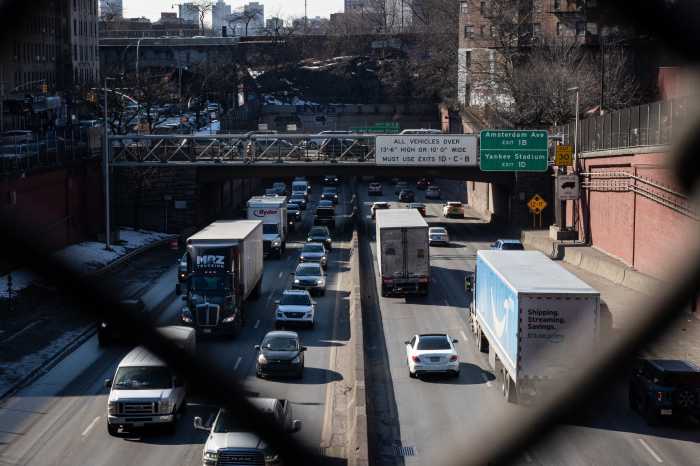
His vision for the Cross Bronx Expressway, a seven-mile-long traffic machine cutting across the borough to connect cars and commerce between New Jersey and New England. The plan came to fruition in the early 1950s, and East Tremonters fought back — a battle well documented in “The Power Broker,” Robert A. Caro’s definitive biography of Moses and his impacts, better and worse, on New York.
People power was not enough to stop Moses from fulfilling his Cross Bronx dream, which ripped entire neighborhoods apart.
It drove away thousands of residents and drove off extended families.
It plunged communities into poverty and exposed those living adjacent to the highway to air and noise pollution that made life unbearable.
Over the years, that pain has been repeated through numerous other communities through which the Cross Bronx Expressway runs today, along with other highways such as the Bruckner and Major Deegan Expressways.
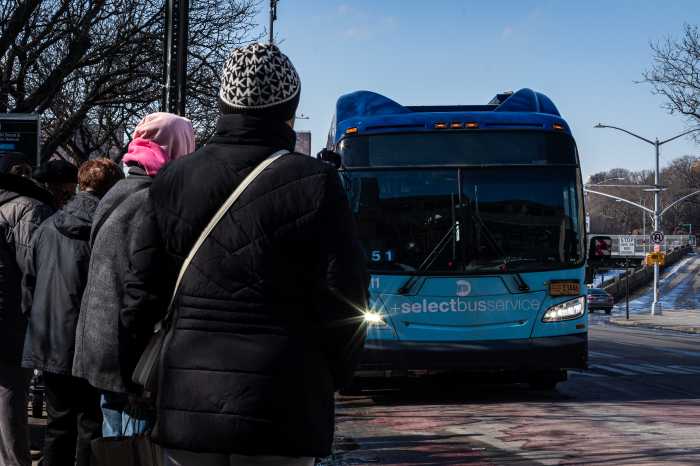
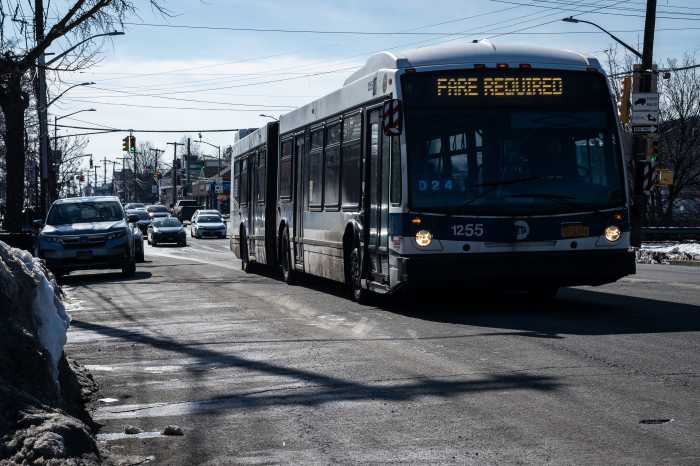
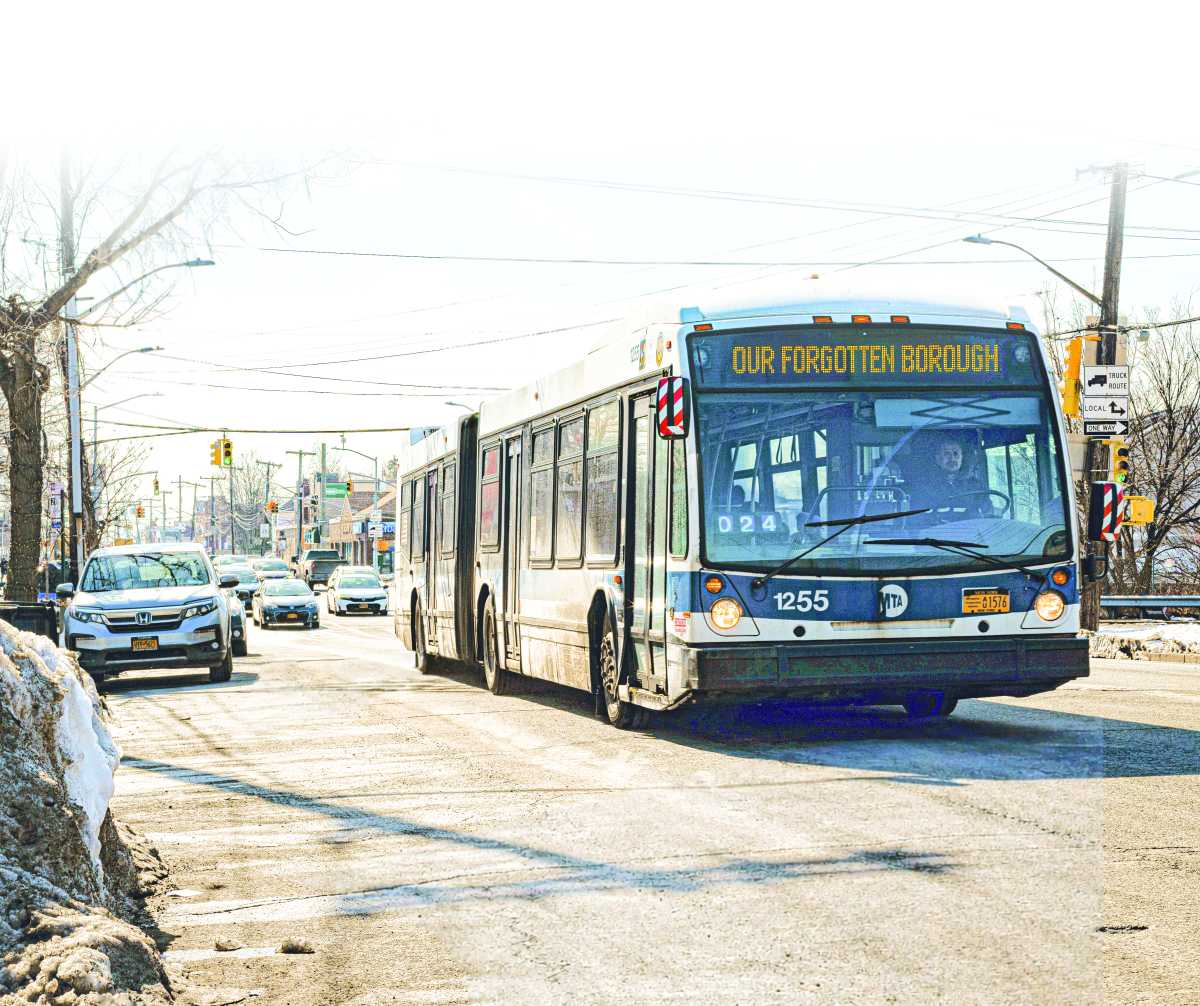
In this month’s installment of “Our Forgotten Borough,” we take a look at the state of transportation in the Bronx. We take a look at what’s being done not only to atone for the repercussions of expressway building in the 1950s, but also to make the borough more reliant upon public transportation.
Those of our readers who do not have cars know the pains of traveling across the borough via public transit.
Here’s one example. All of the subway lines built in the Bronx in the early part of the 20th century only run north-to-south and provide links to Manhattan.
There are few one-seat subway rides from the Bronx to Brooklyn; there are no one-seat subway rides to Queens, the Bronx’s southernmost neighbor.
To travel across the Bronx without a car, your options are either to double back on multiple subway lines or use buses traveling on major, overcrowded, and heavily congested east-west streets such as Fordham Road/Pelham Parkway and Gun Hill Road.
The Bronx bus network was redesigned several years ago to make commuting in the Boogie Down easier — but has it accomplished that mission yet?
We will examine the progress being made toward a transit and transportation system that benefits all Bronx residents.
We will look at the impact the system has had on local residents, point out where the city and the MTA can do better, and discuss some of the innovative ways transportation groups are proposing to better connect the great communities of this borough.
The Cross Bronx Expressway will come under our microscope as well, as we look not just at the road’s legacy and associated problems, but also at the ongoing effort to stitch the borough it divided back together.
By the time Robert Moses died in 1981, his legacy in the Bronx was etched in concrete. It was also etched in asphalt, air pollution and heartbreak.
Forty-five years later, the Bronx is on the cusp of shattering this legacy with the dawn of a new era — one in which all residents have a faster, more accessible public transportation system connecting them to every community.
We may not be able to see the Cross Bronx Expressway erased from the landscape, through plans to “cap” the highway may help undo decades of damage. But we can see a Bronx where residents in every neighborhood live, breathe, and travel more easily — and the expressway no longer defines their way of life.