As a pediatrician in the South Bronx, I see the effect our transit maps have on its users every day. While the city debates priorities among free buses, dedicated bus lanes, and subway expansions, my patients live in the shadow of the Cross Bronx Expressway (CBE), which split communities and saddled the South Bronx with some of the nation’s highest asthma rates.
Simply put, clean public transportation is a public health intervention for these families.
The NYU Marron Institute’s “A Better Billion” proposal relies on a “housing-led” metric, prioritizing transit where it can catalyze the most new real estate development. Under this logic, neighborhoods are valued for their “upzoning potential” rather than for the needs residents within the neighborhood have.
To prioritize a developer’s density map over a child’s respiratory health is a moral and policy failure.
Similarly, Zohran Mamdani’s central campaign tenet — that making buses free will allow commuters improved access to the city’s resources, including healthcare — treats the symptom rather than the cause.
I have patients whose asthma isn’t controlled on the strongest therapy we have. They are children facing imminent death because the city will not prioritize them. A free ride to the clinic rings hollow if the transit system itself continues to facilitate the environmental degradation that makes them sick.
While the “A Better Billion” report is touted as a visionary roadmap for affordability, the Bronx is relegated to the last phase, “Phase 4,” of the project, leaving the Bronx for last yet again, in a long history of leaving the Bronx for last.
Making changes to the Bronx’s transit infrastructure Phase 4, means making Bronxites wait four decades for much-needed improvements. But we don’t have four decades to wait; we’ve never had any spare time.
We’ve seen it before: Vital immediate-impact projects — protected bike lane networks and the long-promised “capping” of the Cross Bronx Expressway — have consistently taken a back seat to prestige projects like the Interborough Express (IBX) and the Second Avenue Subway expansion.
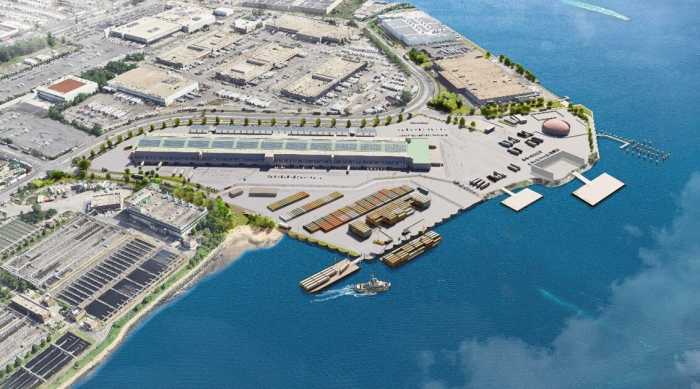
When NYC implemented congestion pricing, the MTA and city promised mitigation measures aimed at improving air quality in neighborhoods that might see spillover traffic, including Bronx corridors like the CBE. That included air filtration in schools, roadside greenery, electric truck charging infrastructure, “Blue Highway” (moving freight off trucks and onto waterways to ease truck traffic and diesel emissions through the South Bronx), and a Bronx asthma center.
However, as of early 2026, many of these measures had not yet been implemented. Even our federal policies are complicit in this stagnation. While congestion pricing is meant to “nudge” commuters toward sustainable choices, the IRS continues to disincentivize cleaner forms of travel.
Under the current tax code, commuters can use pre-tax dollars for parking or shared Uber rides, yet they are barred from using those same benefits for Citi Bike. We are effectively taxing the very micro-mobility that could alleviate the “Phase 4” wait.
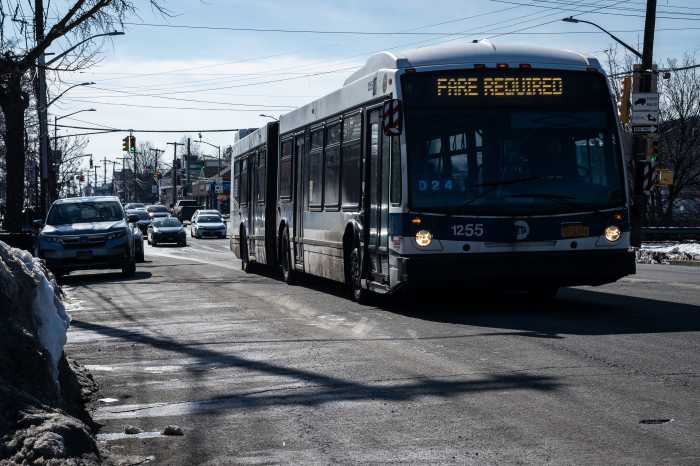
Planning this far ahead ignores today’s realities, such as infrequent bus and train service, the number of ghost buses are promised and never arrive and how packed stations are.
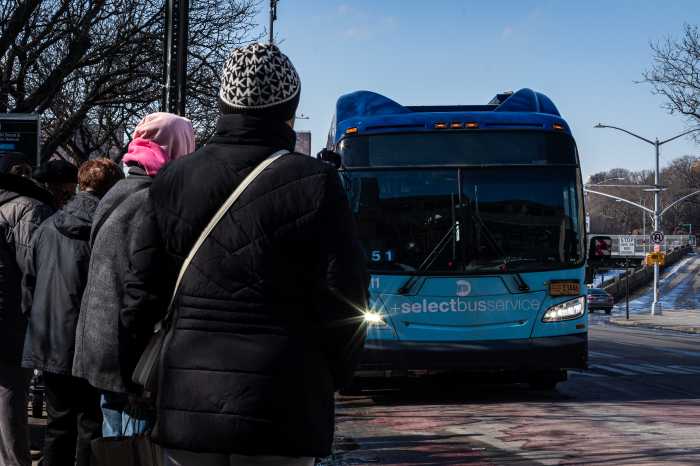
These failures materialize as a docked hour of pay, a missed appointment that took months to schedule, or a child’s nebulizer treatment delayed while waiting in the freezing wind. This feels like a personal affront to residents who continue to hope that policy will not overlook them.
To be clear, I am unequivocally in favor of congestion pricing. But the blunt truth is that you cannot price people out of cars without giving them a system that can actually absorb them. Our already packed buses and trains are now even more so, and seem to have more delays than ever before, the city is failing to respond to the demand that it created.
I think that the core failure of our current network is that it treats cross-borough mobility as optional. The Bronx is the only borough without a true East–West subway line. Currently, a train rider in Inwood is blocks from the Bronx, yet must travel south into Manhattan just to double back to the north and finally arrive east.
This trip often takes an hour; a train line that provides a more direct route would cut this time in half. Among other mobility improvements, people seeking to improve the lives of Bronx residents, like dentists, doctors, psychologists, and others who are currently disincentivized to work in the Bronx, can actually get in and get out, rather than placing the onus on the patient/client to somehow get into Manhattan.
Instead of waiting for “Phase 4,” we must insist that it be Phase 1. We must use federal “Reconnecting Communities” funding to build a Crosstown Bronx Rail Line along the Cross Bronx Expressway corridor before any improvements are made anywhere else.
I like the 12 line, but honestly, a potentially better plan would be modeled after Chicago’s Red Line, which runs parallel to a major highway. Like the proposed 12-line, this automated light metro would link the 1 Line, 4 Line, B/D Lines, 2 Line, 5 Line, 6 Line, and Metro North Rail Road New Haven/Harlem Lines, but run a little further south and connect the A Line instead of the Metro North Hudson Line.
In my opinion, this not only accomplishes the goal of decreasing the overcrowding on the Bx12-LTD, but also reduces transit for those in Washington Heights and Inwood, which neither the Bx12-LTD nor the proposed 12 Line does.
We shouldn’t have to wait another forty years. We need a system that treats the Bronx as a priority. If New York can build new subways for Hudson Yards and the Upper East Side, it can build a light rail for the Bronx.
Katherine Minaya, M.D., is a pediatrician and policy advocate dedicated to child health and community well-being. An immigrant from the Dominican Republic, she grew up in the Bronx and Washington Heights and trained in Pediatrics at the PLUS Program at UCSF. She writes and works to address social determinants of health, health equity, and access to resources for children and families.