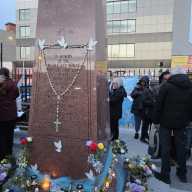

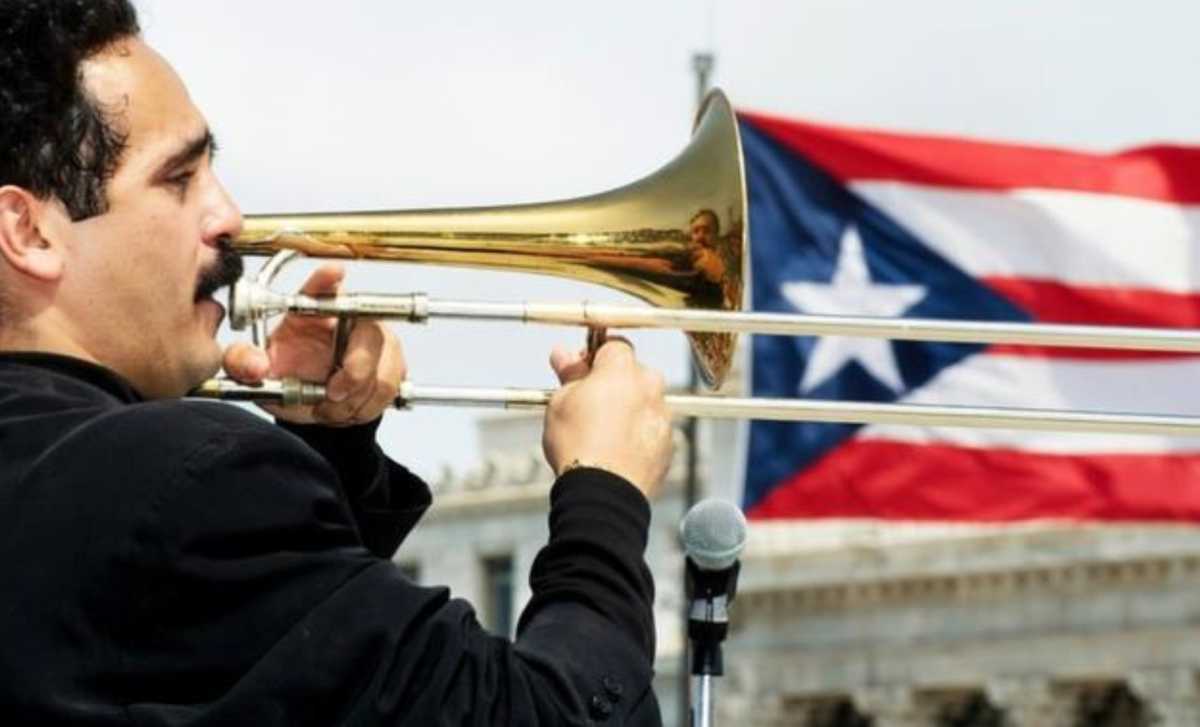
Fans, family, and fellow musicians gathered at St. Patrick’s Cathedral on Monday to mourn the loss of beloved salsa icon Willie Colón.
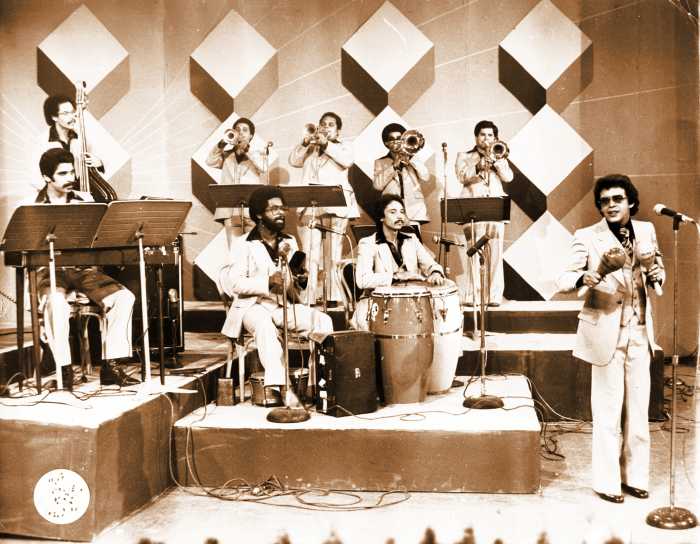
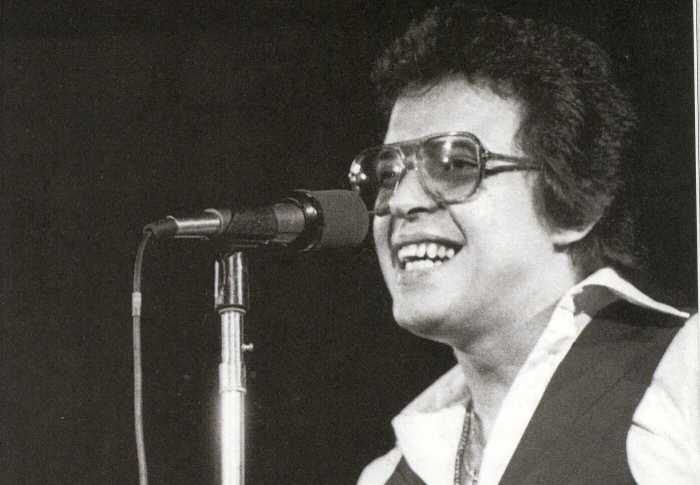
Colón was a trombonist, singer, bandleader, composer and producer who helped revolutionize salsa music, blending Afro-Caribbean rhythms with elements of R&B, funk and jazz. His work helped shape the sound of New York salsa and propel the genre to international prominence.
Fans from around the world arrived at the landmark Midtown cathedral for the funeral Mass. Colón’s family said the musician had asked while he was alive for his services to be held at St. Patrick’s.
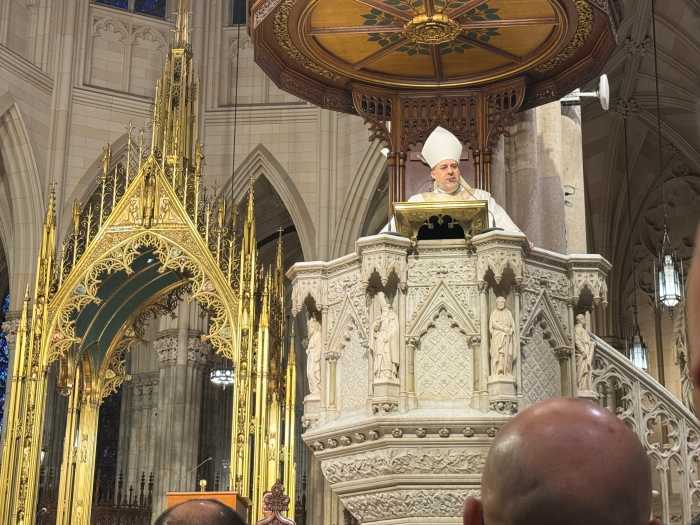
Bronx-based auxiliary bishop Joseph A. Espaillat led the prayers for Colón. During the service, Espaillat reflected on how the musician’s work touched generations, recalling how hearing Colón’s 1973 song El Día de Mi Suerte first introduced him to the trombone as a child.
For many who attended, Colón’s music shaped personal memories and cultural identity, drawing mourners of all ethnic backgrounds.
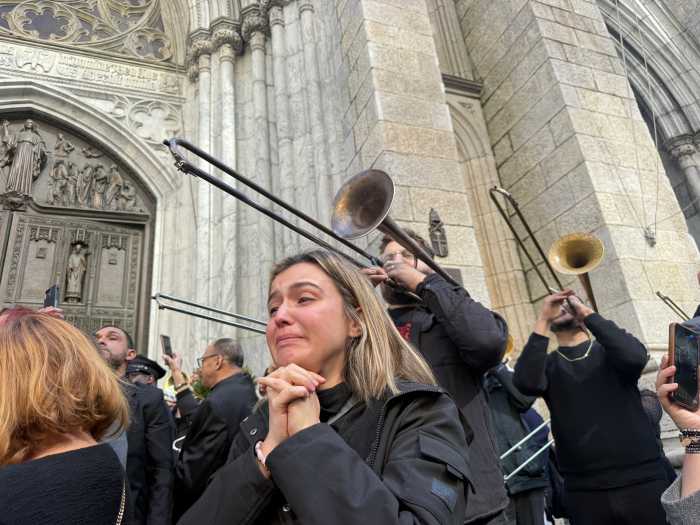
After the funeral, hundreds gathered on the cathedral steps, many in tears. As Colón’s casket was carried outside, trombonists played the iconic riff from La Murga, his 1970 hit recorded with longtime collaborator Héctor Lavoe during their years with Fania Records.
Colón was born William Arturo Colón Román to Puerto Rican parents in the South Bronx. Raised largely by his grandmother, he was introduced to Latin music at an early age. As a teenager, he joined the then-nascent Fania Records label, which would become the epicenter of the salsa movement in New York.
In his six-decade career, Colón created more than 40 albums and sold more than 30 million albums worldwide.
The singer died Feb. 21 at age 75 after being hospitalized with respiratory issues at NewYork-Presbyterian Hospital in Bronxville, New York.
“Willie was a boy from the South Bronx, who was born with a gift and a hunger to succeed,” said Colón’s son, Alejandro Colón in a eulogy. “He soaked up the essence of every street he walked on. The smell, the sounds.”
“Everyone knows Willie ‘El Malo,’ Willie El Salsero, Willie the composer, even Willie the sheriff, but to us he was Papa,” said Diego Colón in his eulogy to his father.
Beyond music, Colón also entered public life. He worked in the mayoral administrations of David Dinkins and Michael Bloomberg, and later ran unsuccessfully for Congress in 1994 and for New York City public advocate in 2001.
Colón also spent part of his career in law enforcement, serving as a deputy sheriff and later as a deputy lieutenant with the Department of Public Safety in Westchester County.
Following his death, some salsa fans reflected on the contrast between Colón’s early image as a rebellious, boundary-pushing figure in salsa and his later political views. In recent years, his social media posts drew attention for his outspoken support of Donald Trump and for sharing messages critics described as racist and xenophobic.
Colón was laid to rest in a private burial following the public funeral.
Reach Marina Samuel at msamuel@schnepsmedia.com. For more coverage, subscribe to our newsletter and follow us on Twitter, Facebook and Instagram!