In the Bronx, we are well-acquainted with the “wait your turn” philosophy of urban planning, whether it’s the glacial pace of the 6 train or the eternal gridlock of the Cross Bronx. However, a new and far more dangerous delay is unfolding beneath our feet: a bureaucratic stalemate where raw sewage and floodwaters are being held back only by the whims of a multi-billion-dollar utility company.
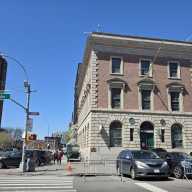
At two critical locations—Lawton and Meagher Avenues in Throggs Neck and Barnes and Rhinelander Avenues in Morris Park—NYC Department of Environmental Protection (DEP) emergency contractors have been forced to stop vital sewer and drainage repairs because Con Edison has effectively parked its infrastructure in the way of progress.
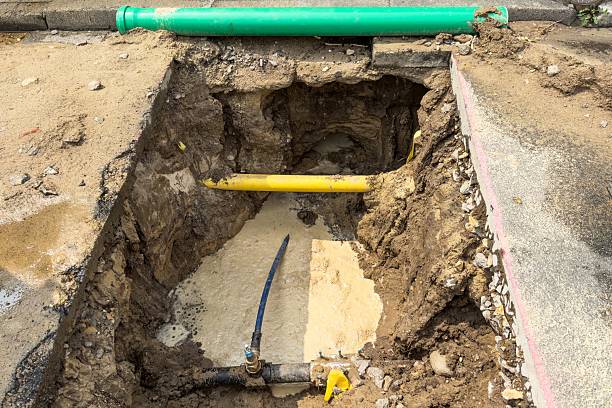
The technical term for this is “utility interference,” which occurs when Con Edison’s electrical conduits or gas mains occupy the exact space needed for city sewer pipes. While this is a common hurdle in a city as old as New York, the current crisis stems from a blatant refusal by Con Edison representatives to timely identify, mark or mitigate these interferences so the City can do its job.
This isn’t just a matter of poor communication; it is a violation of the social and legal contract. Under NYC Administrative Code § 24-521, utility companies are legally required to protect or move their facilities to accommodate public work. By failing to act with urgency, Con Edison isn’t just stalling a construction project—they are defying the law and putting Bronx neighborhoods at risk.
The situation at Lawton and Meagher Avenues is particularly dire given Throggs Neck’s vulnerability as a coastal community. With a high water table and a history of devastating flooding from storms like Sandy and Ida, the drainage infrastructure here is the only thing standing between a heavy rain and a submerged neighborhood; every hour Con Edison drags its feet is an hour the community spends in the crosshairs of the next climate event.
In Morris Park, at the intersection of Barnes and Rhinelander Avenues, the stakes are equally high for the hundreds of families living in one of the borough’s most densely populated residential zones. The sewer lines here are aging and overtaxed; when the DEP classifies a repair as an “emergency,” it means the system is on the verge of a catastrophic failure that could send sewage backing up into the basements of hardworking New Yorkers.
Stagnant water from failed drainage and sewage overflows aren’t just “inconveniences”—they are significant public health hazards that lead to toxic mold growth, the spread of waterborne pathogens and the total destruction of personal property and family heirlooms.
Beyond the health and safety risks, Con Edison’s “not it” attitude is a direct assault on the taxpayer’s wallet. Emergency contractors operate on tight schedules and high budgets; every day they sit idle while waiting for a Con Edison rep to show up or a gas line to be secured is a day that the public pays for labor that isn’t allowed to happen.
Ray Rudolph is the CEO of JLJ Construction and the President of the New York City Road Contractors Association.